MarketingWeb ApplicationsInterface Designs
NNIIT
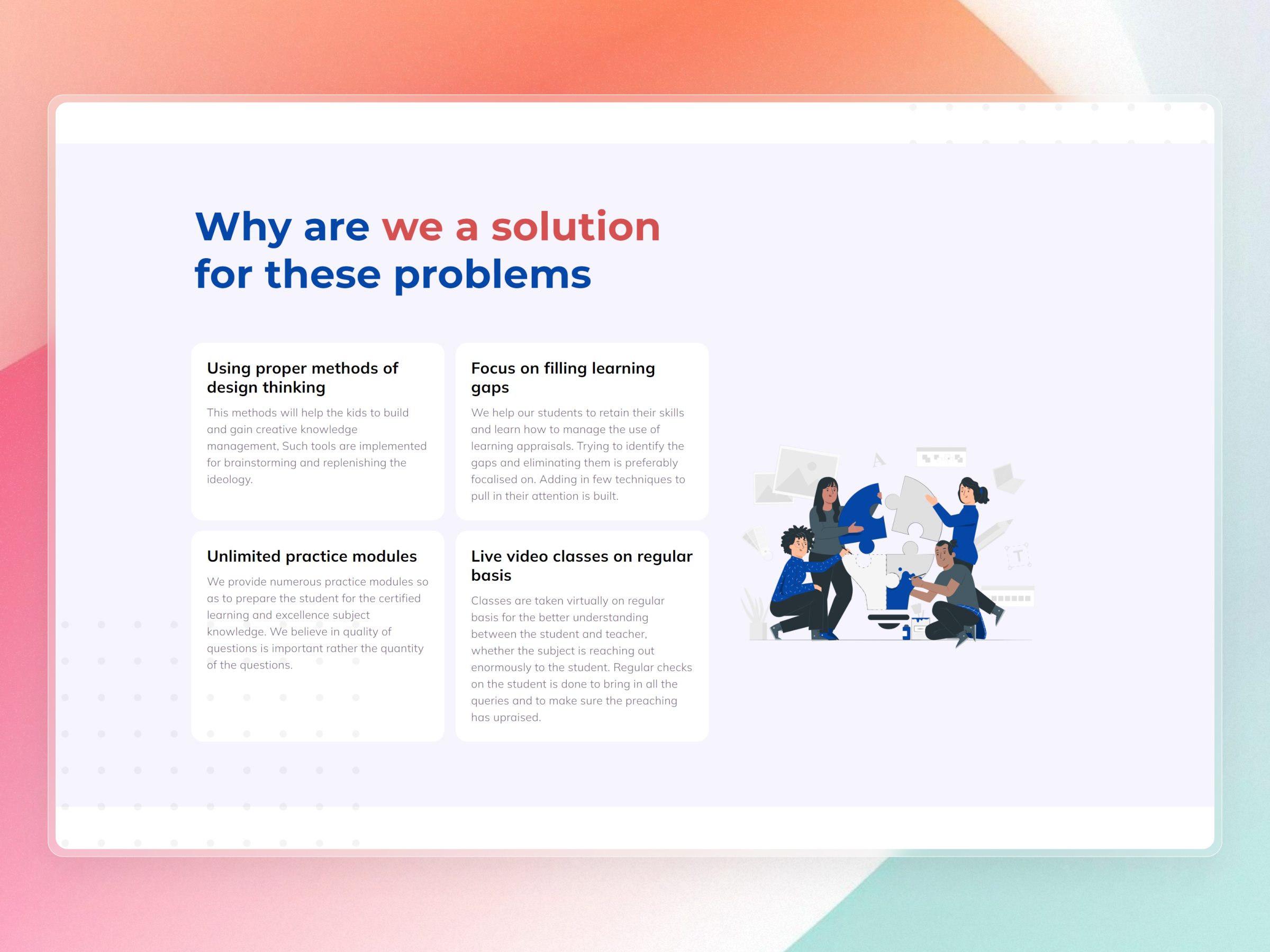
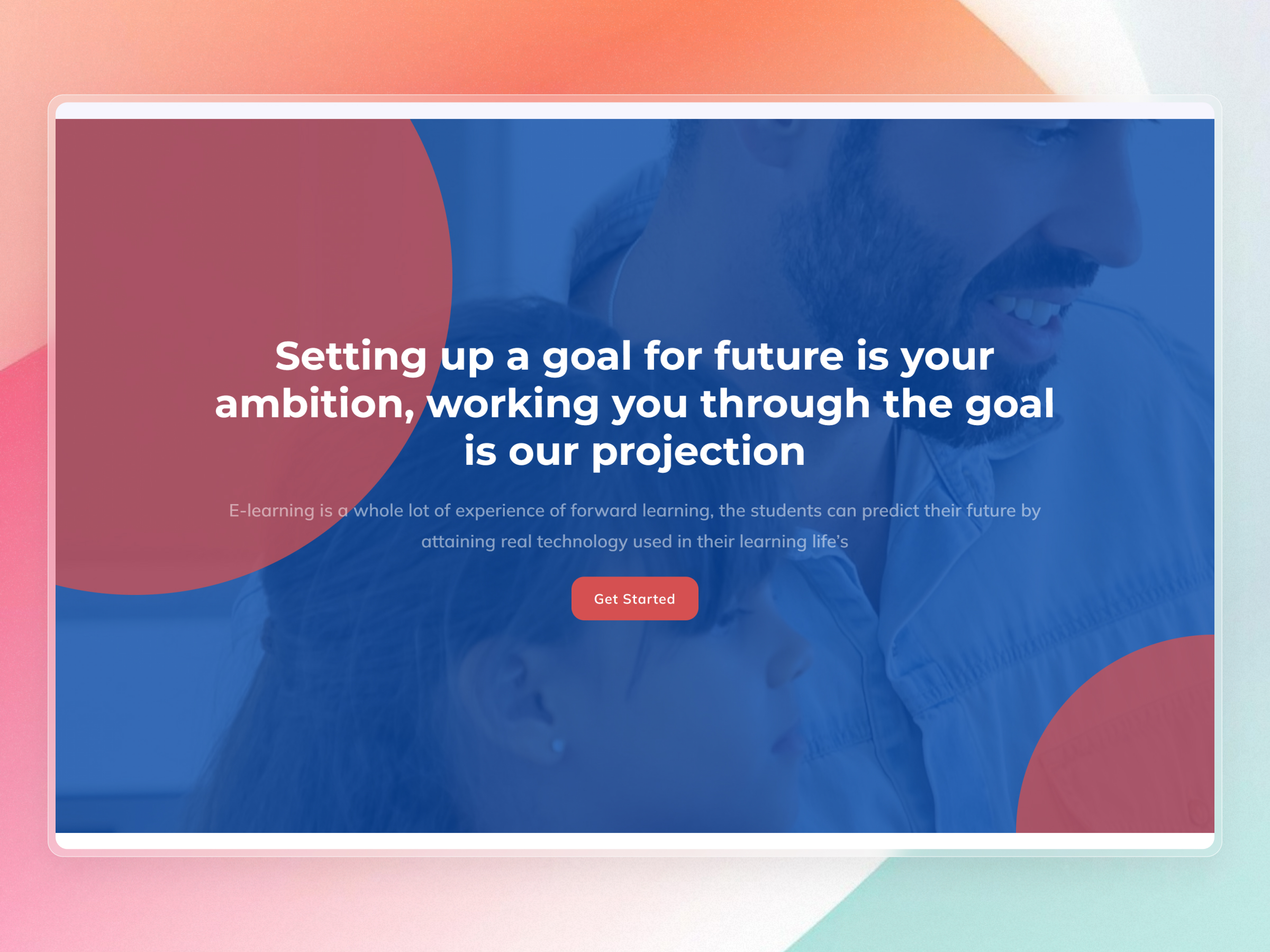
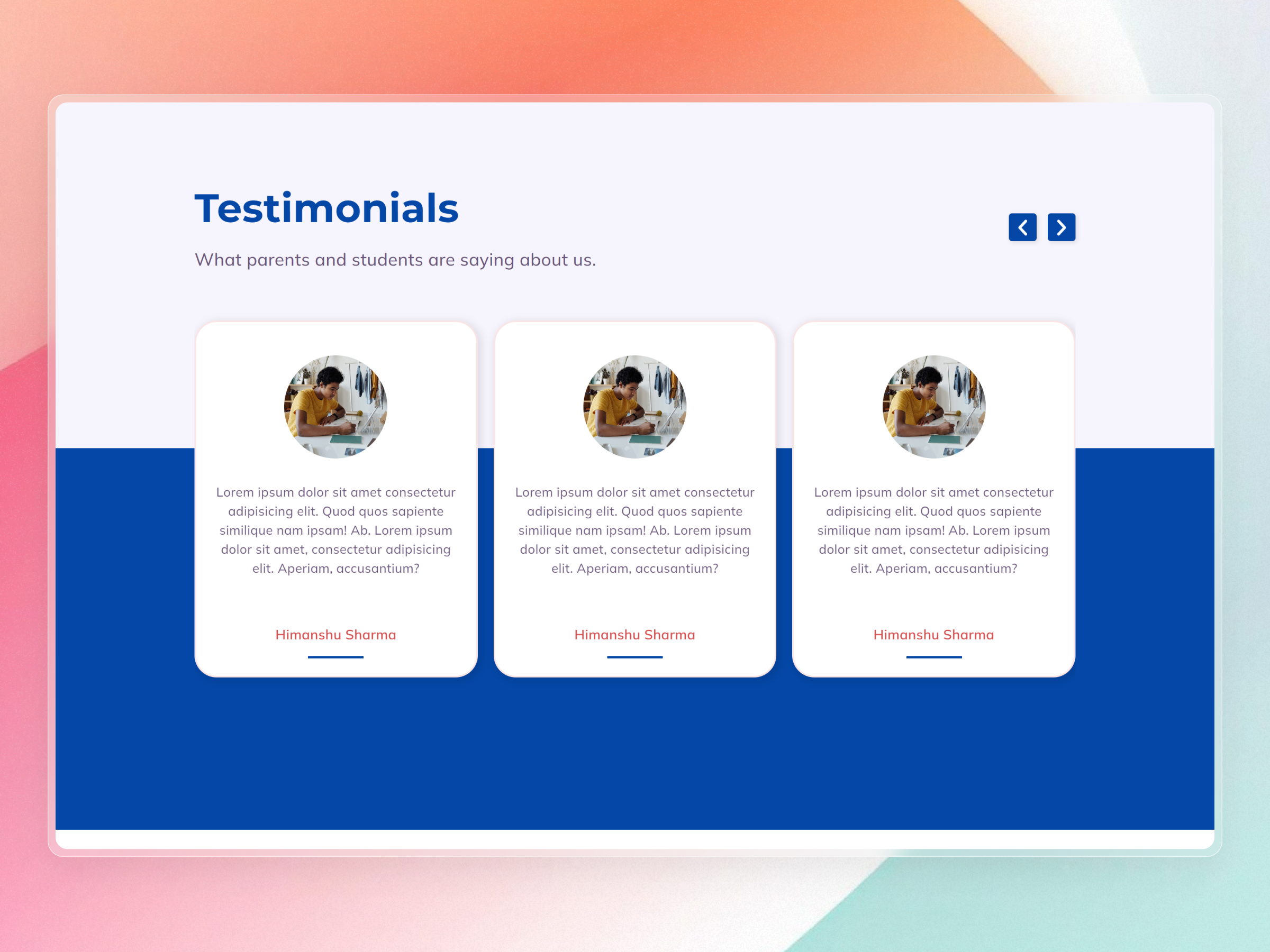
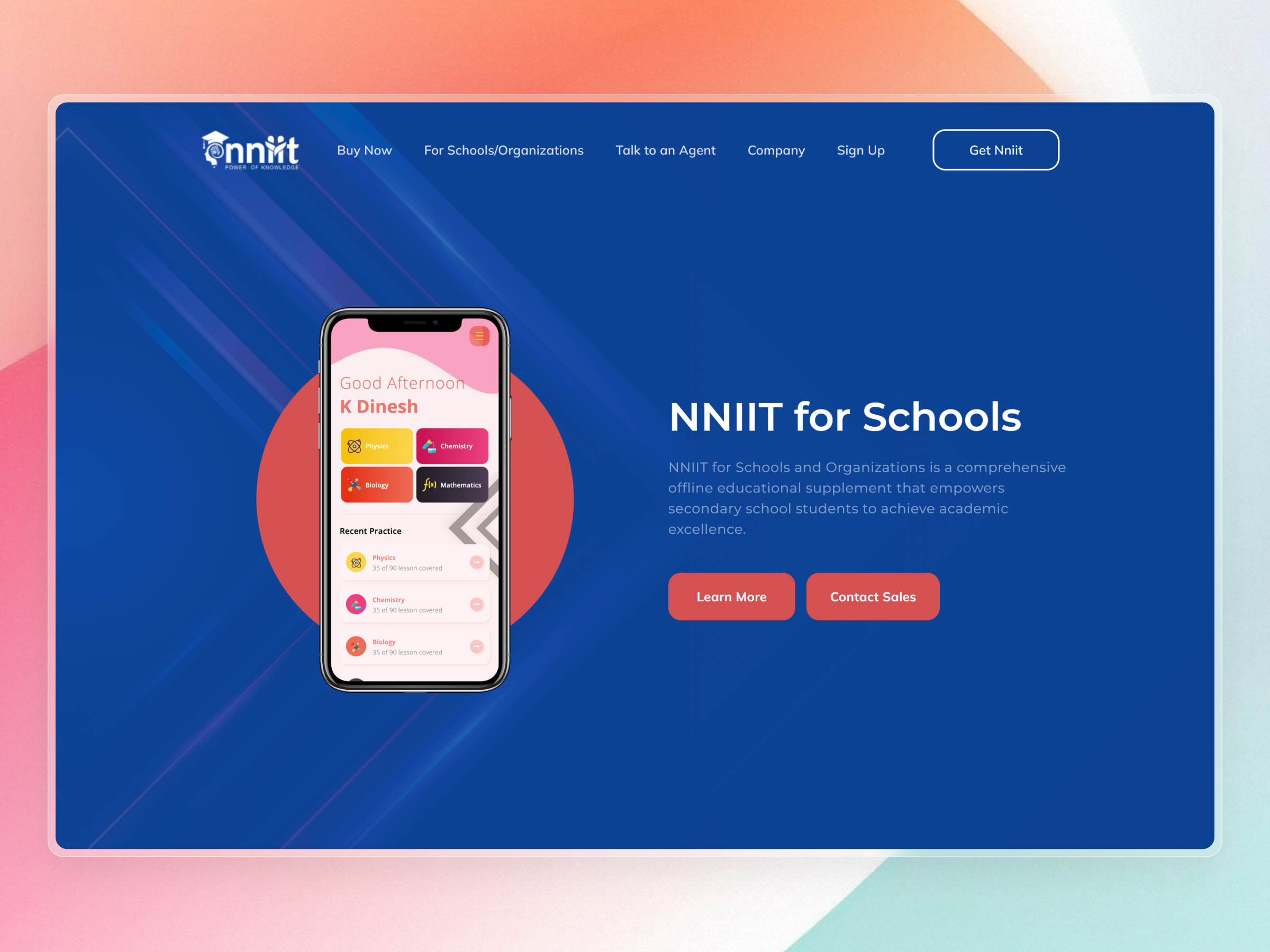
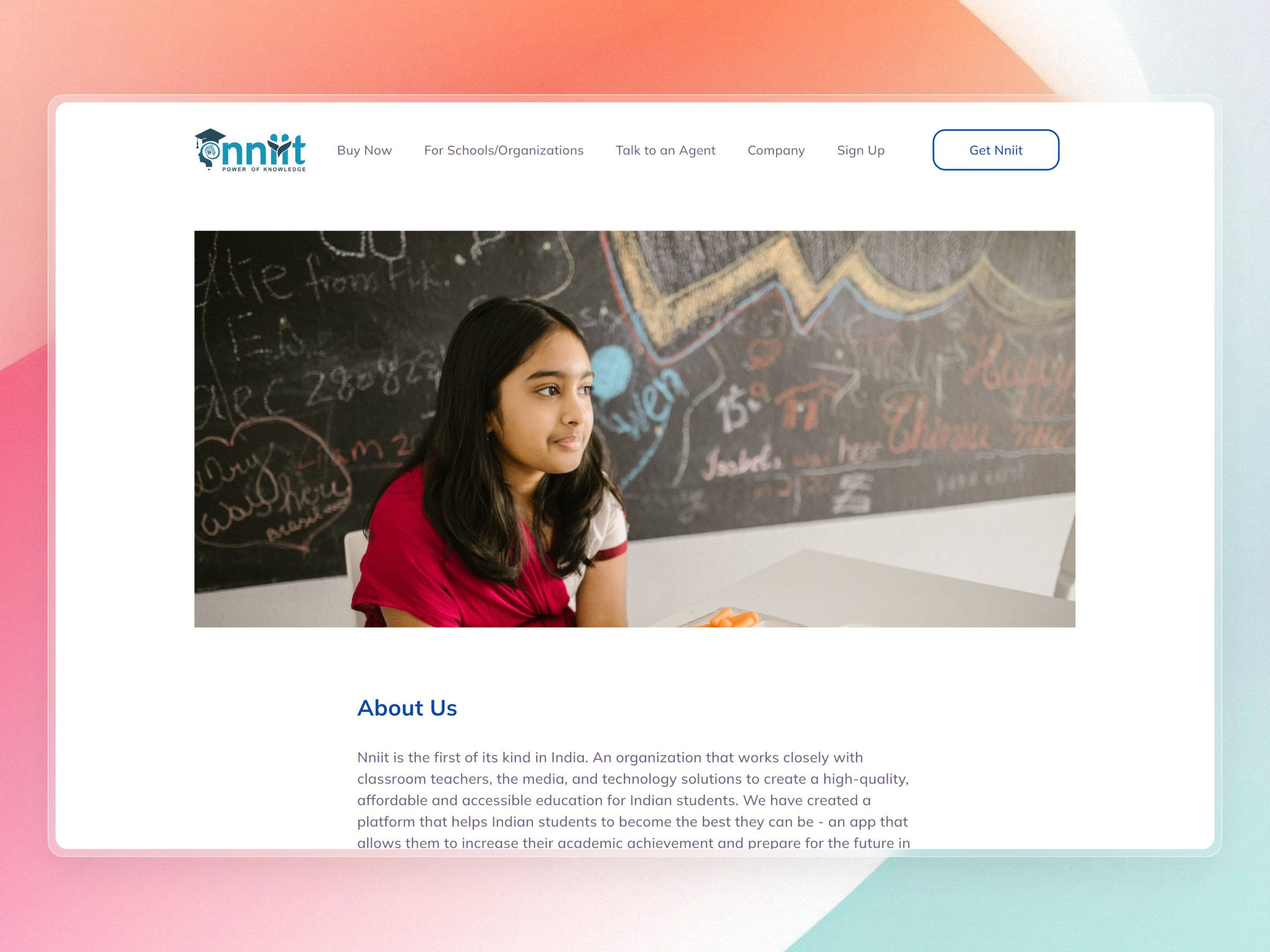
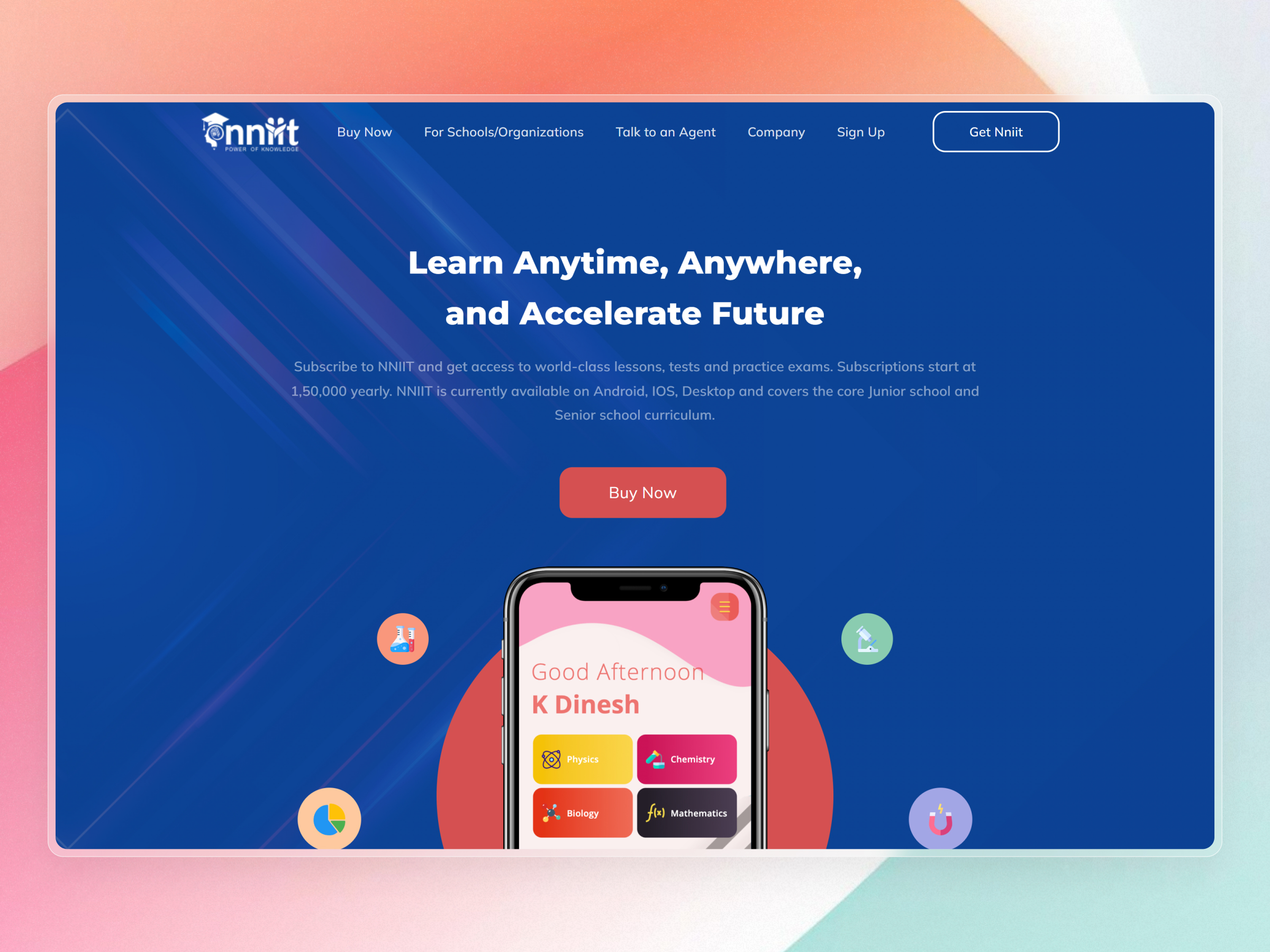
NNIIT Website is the public front door for the LMS, built to explain the product, clarify who it serves, and support enquiries from prospective buyers.
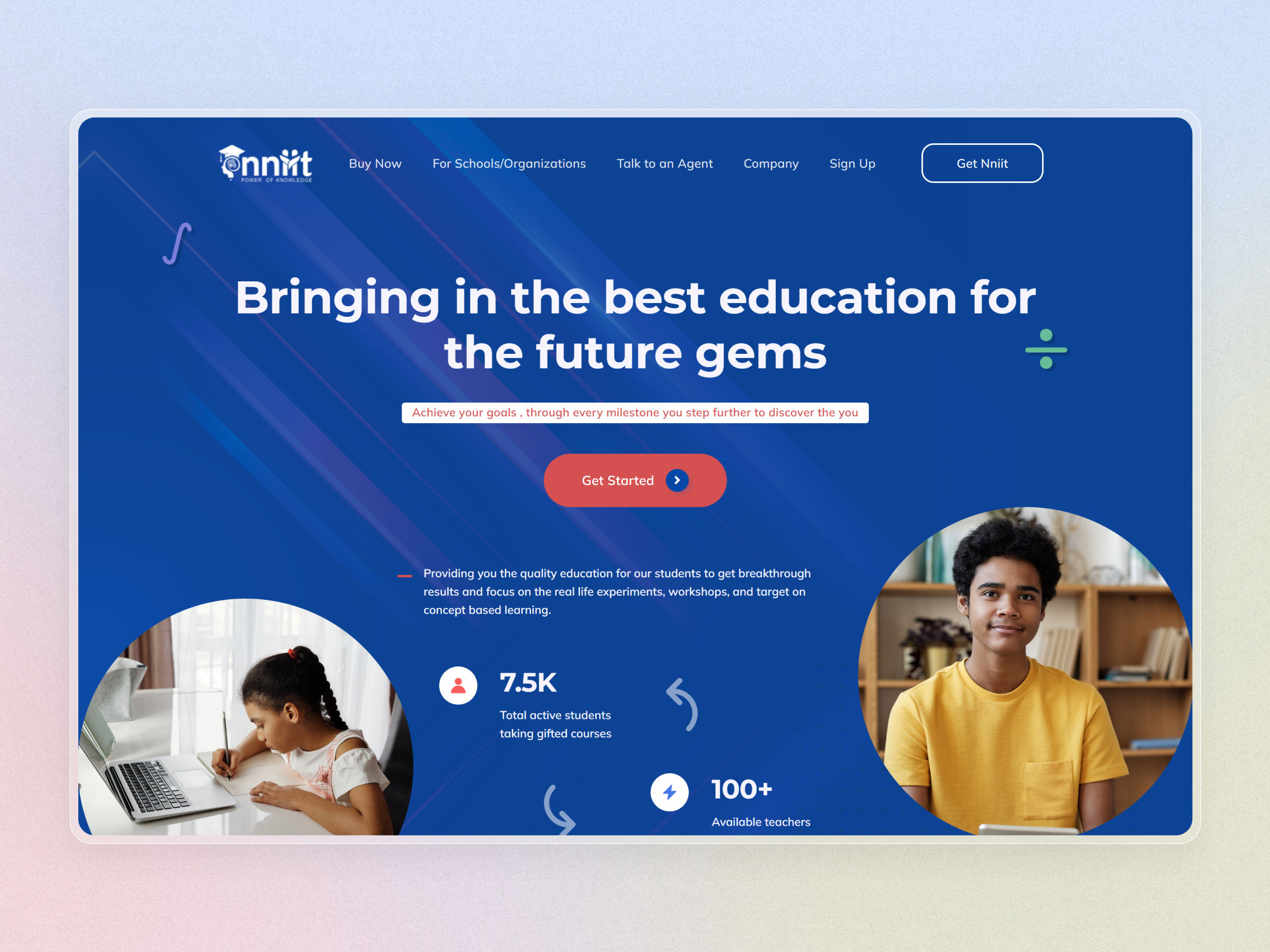
A school website built to convert interest into enquiries
When we planned, designed, and built the NNIIT LMS, the product needed a front door — a public website that explained what the product did, who it was for, and why someone should sign up. The public website wasn't just a marketing brochure. It was the first thing prospective students and parents saw, and it had to do two things well: communicate the product clearly and convert interest into leads.
We planned, designed, and built the NNIIT public website alongside the LMS, designing and developing both as a package for the same Hyderabad-based EdTech client.
What the website needed to do
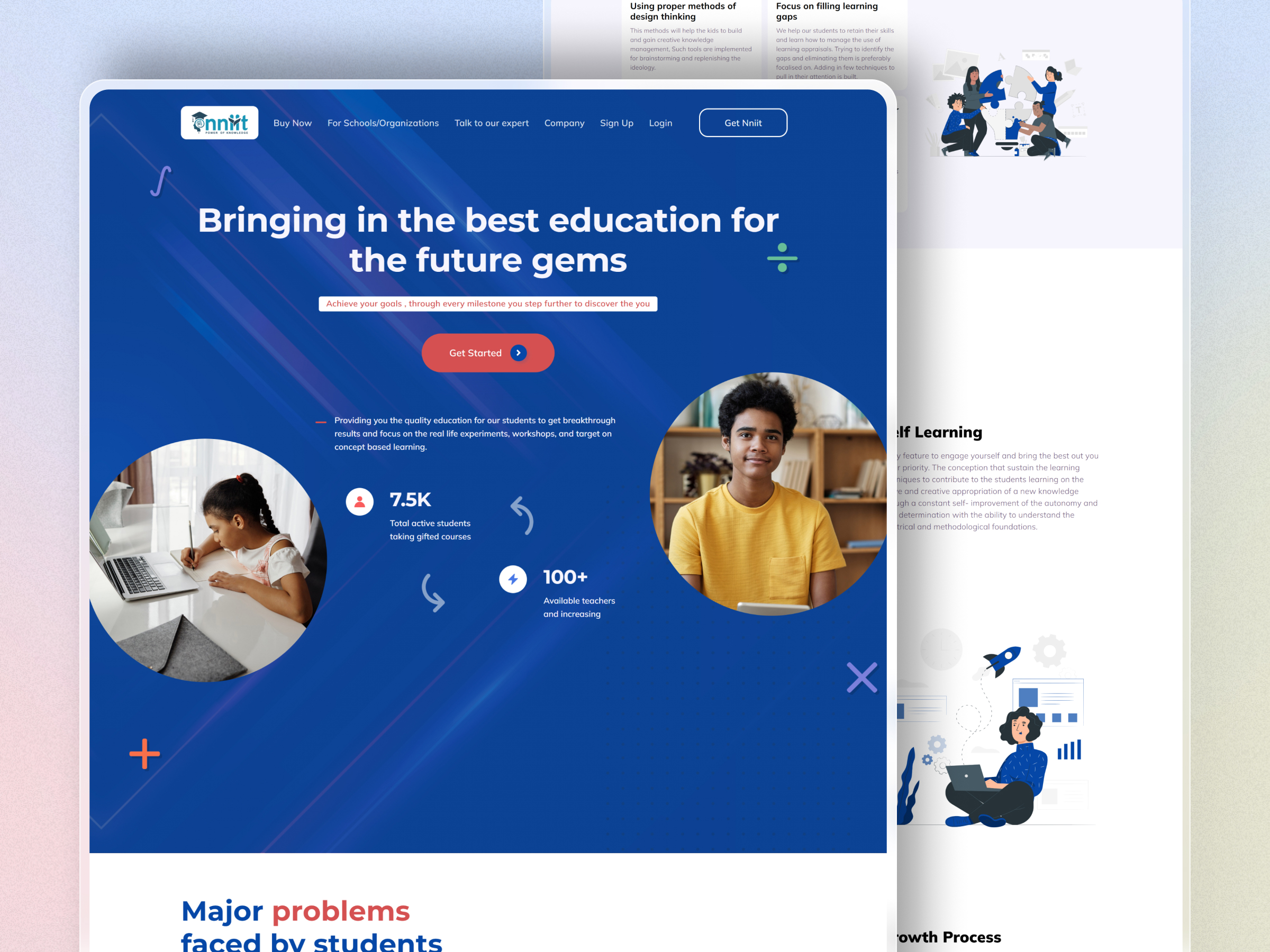
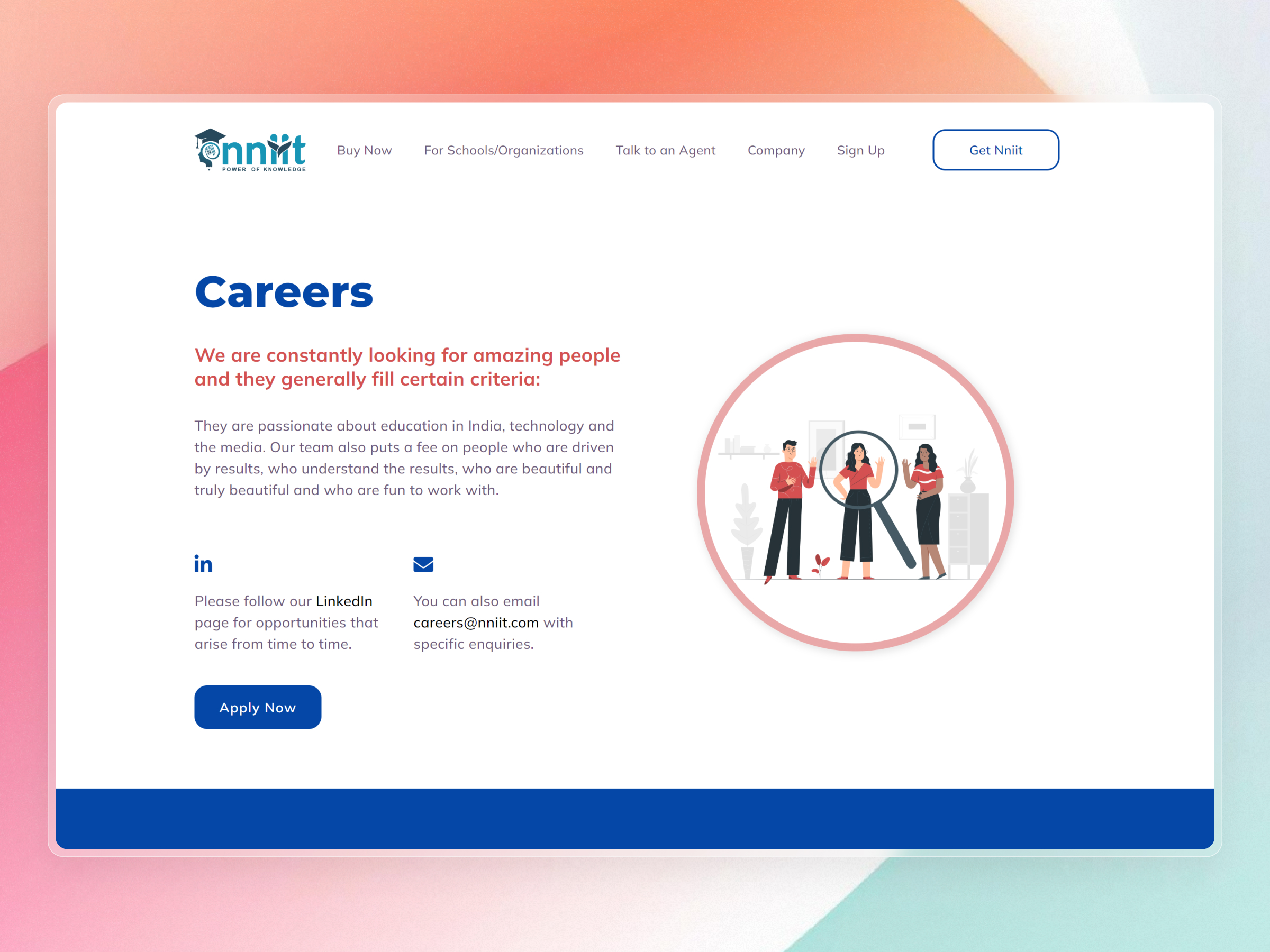
Prospective students and parents don't want to dig through a product dashboard to understand what a platform offers. They need a clean, fast website that answers the right questions upfront — what courses are available, how the exams work, what makes this platform different. And at the end of that journey, there needs to be a clear action: contact us, register, or request a demo.
The website also had to reflect the credibility of the institution — professional, not templated.
How we approached it
We planned, designed, and built the site with Next.js for performance and SEO. Education institution websites get a lot of search traffic from students and parents actively looking for learning options — the site needed to load fast and rank well. Next.js gave us both.
Platform Feature Showcase
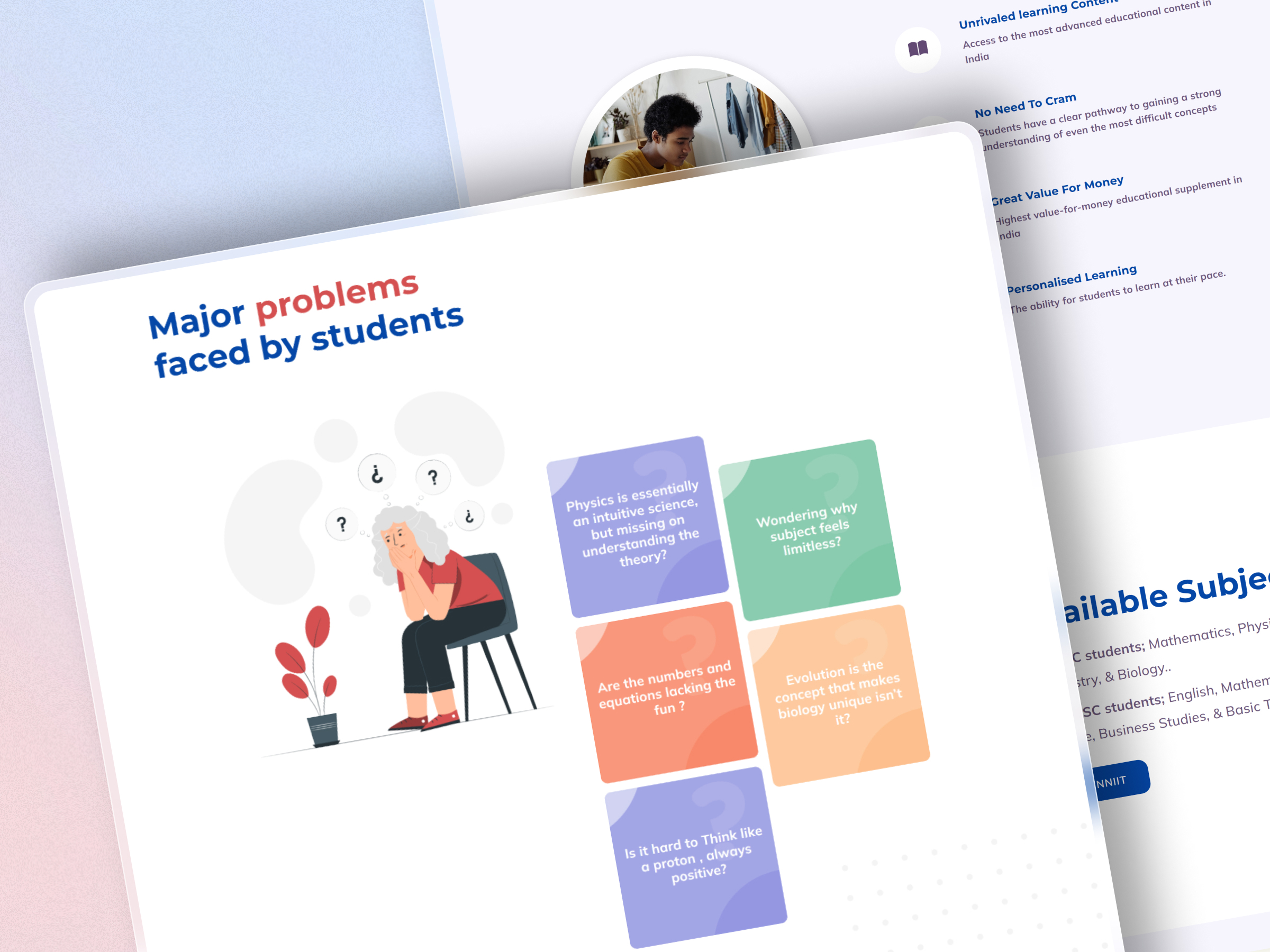
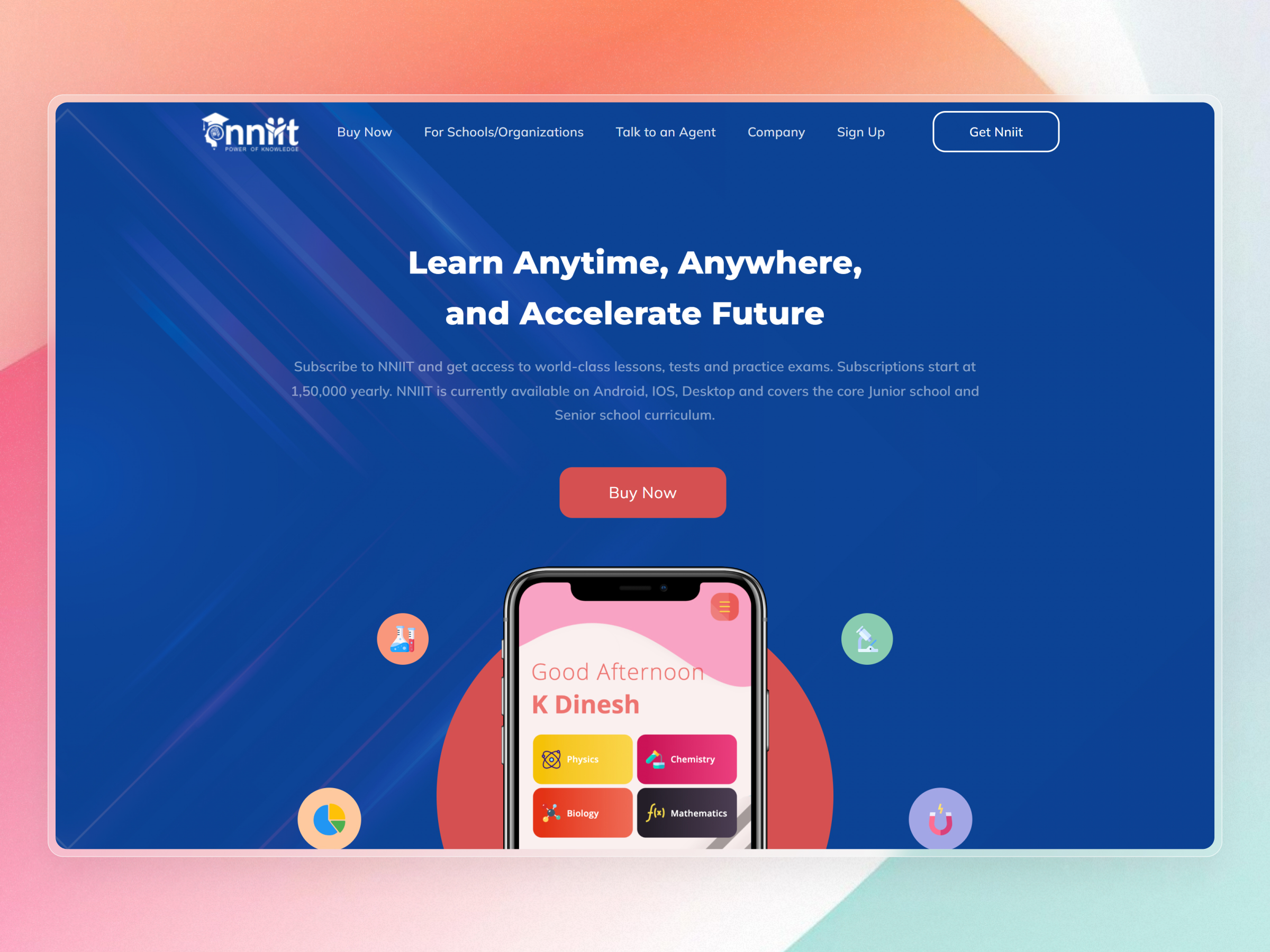
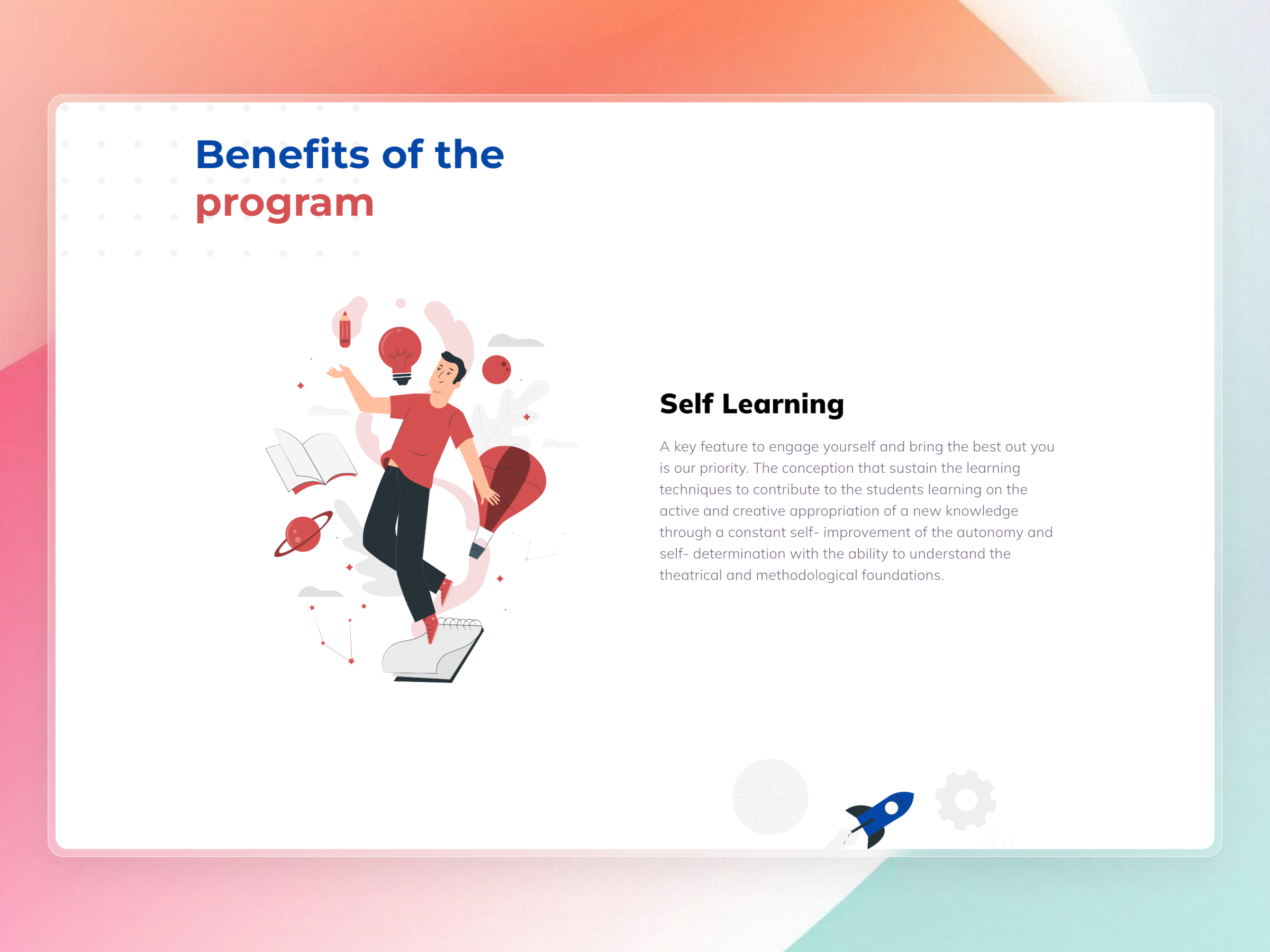
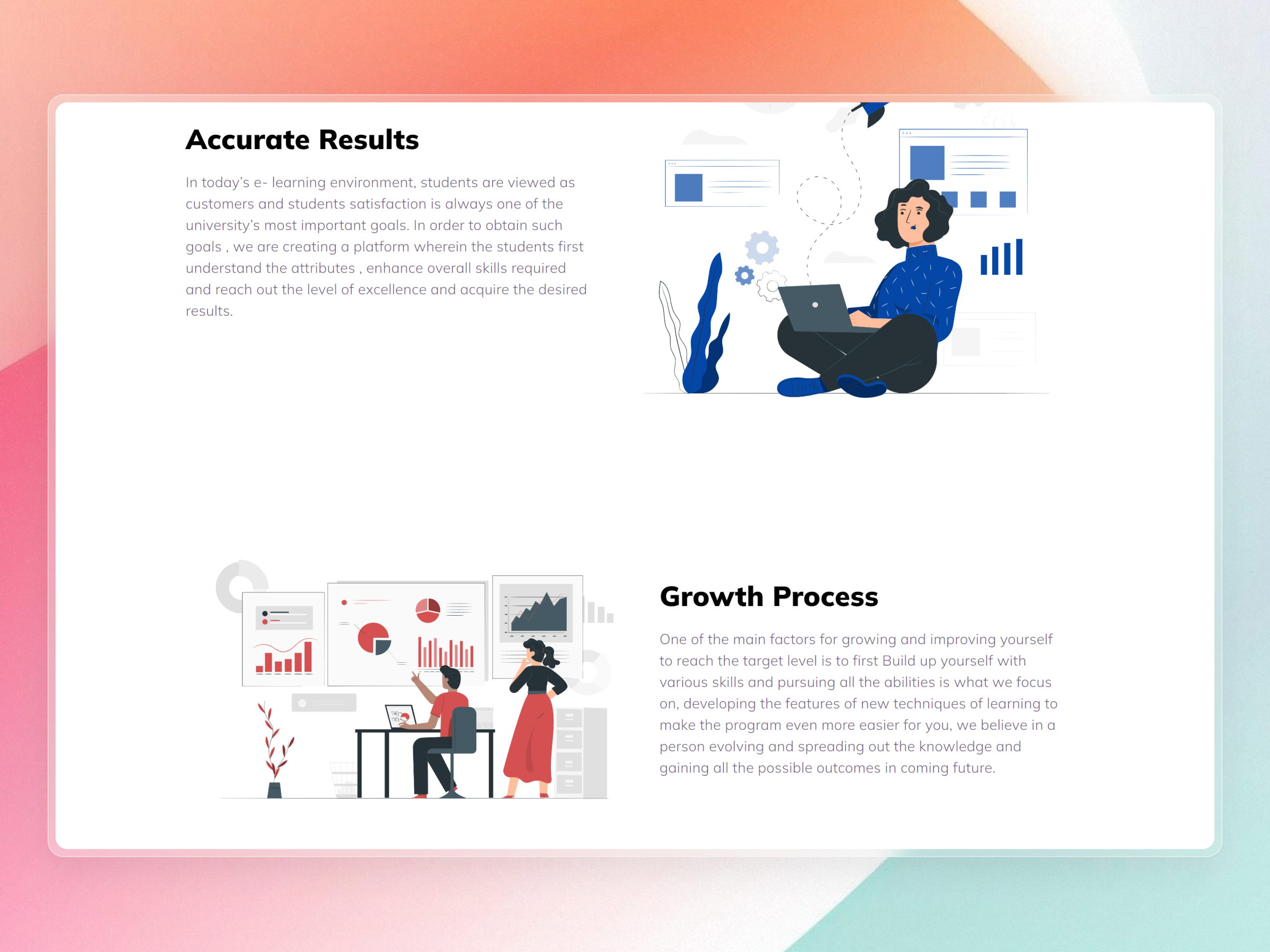
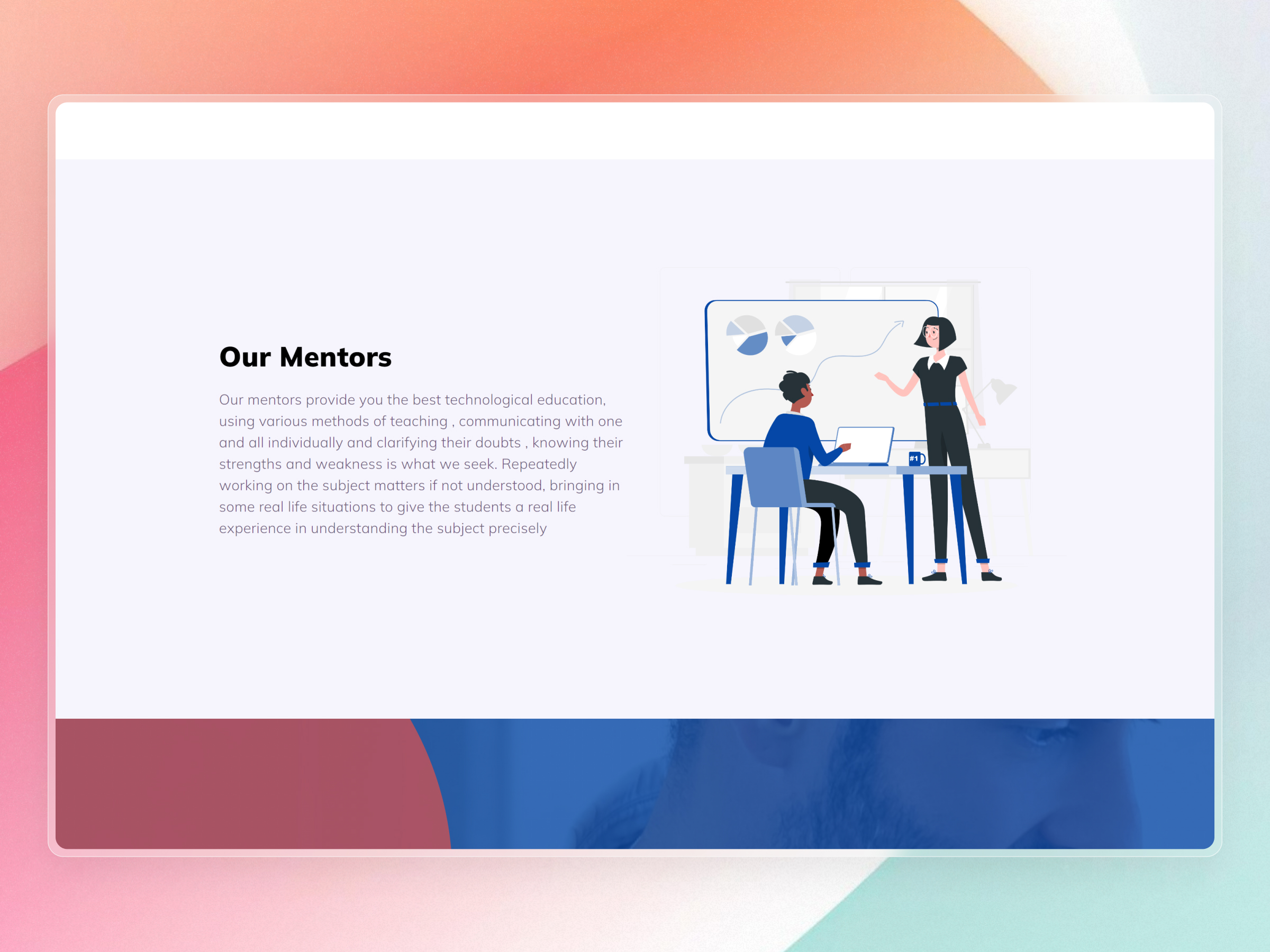
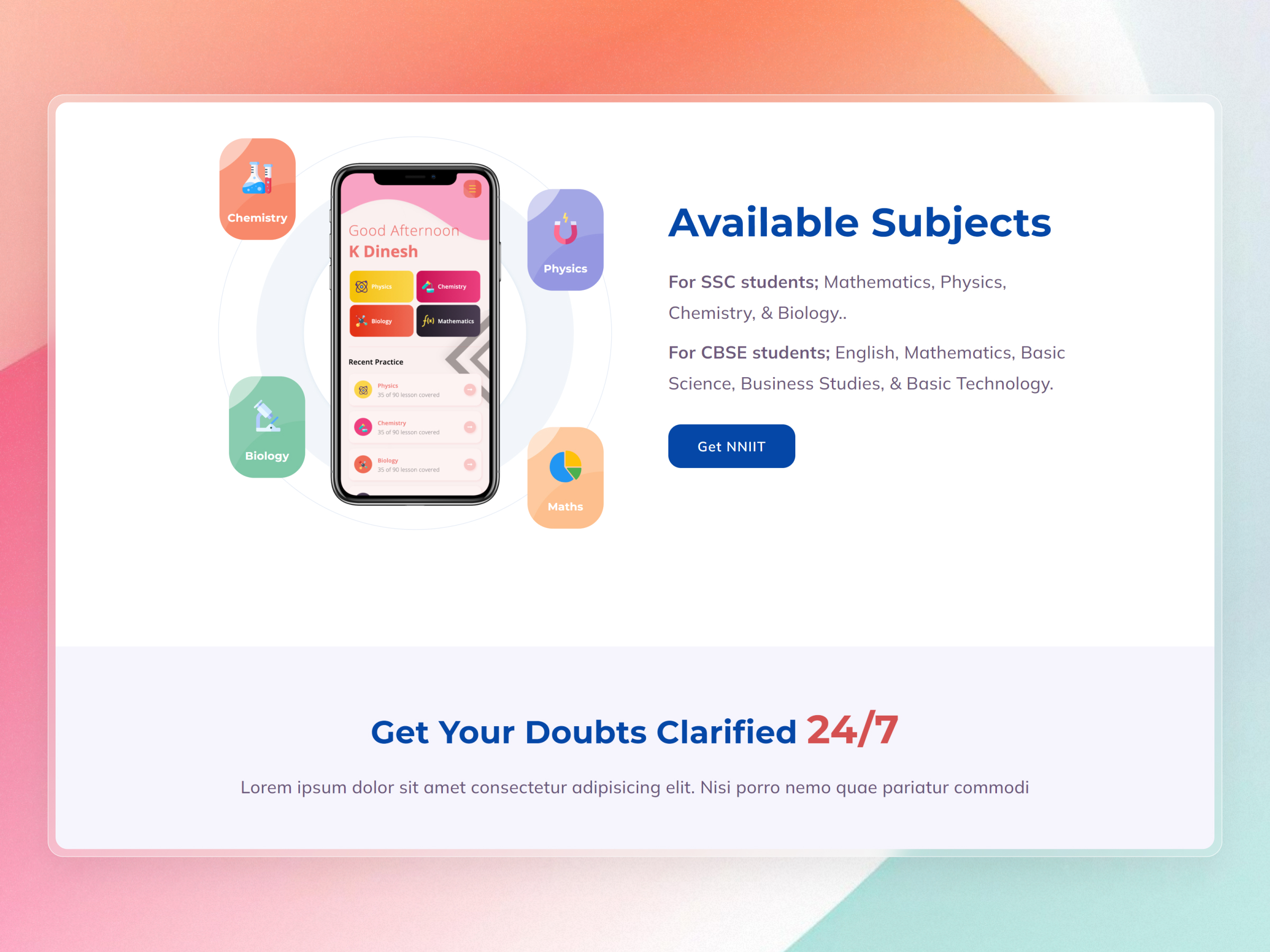
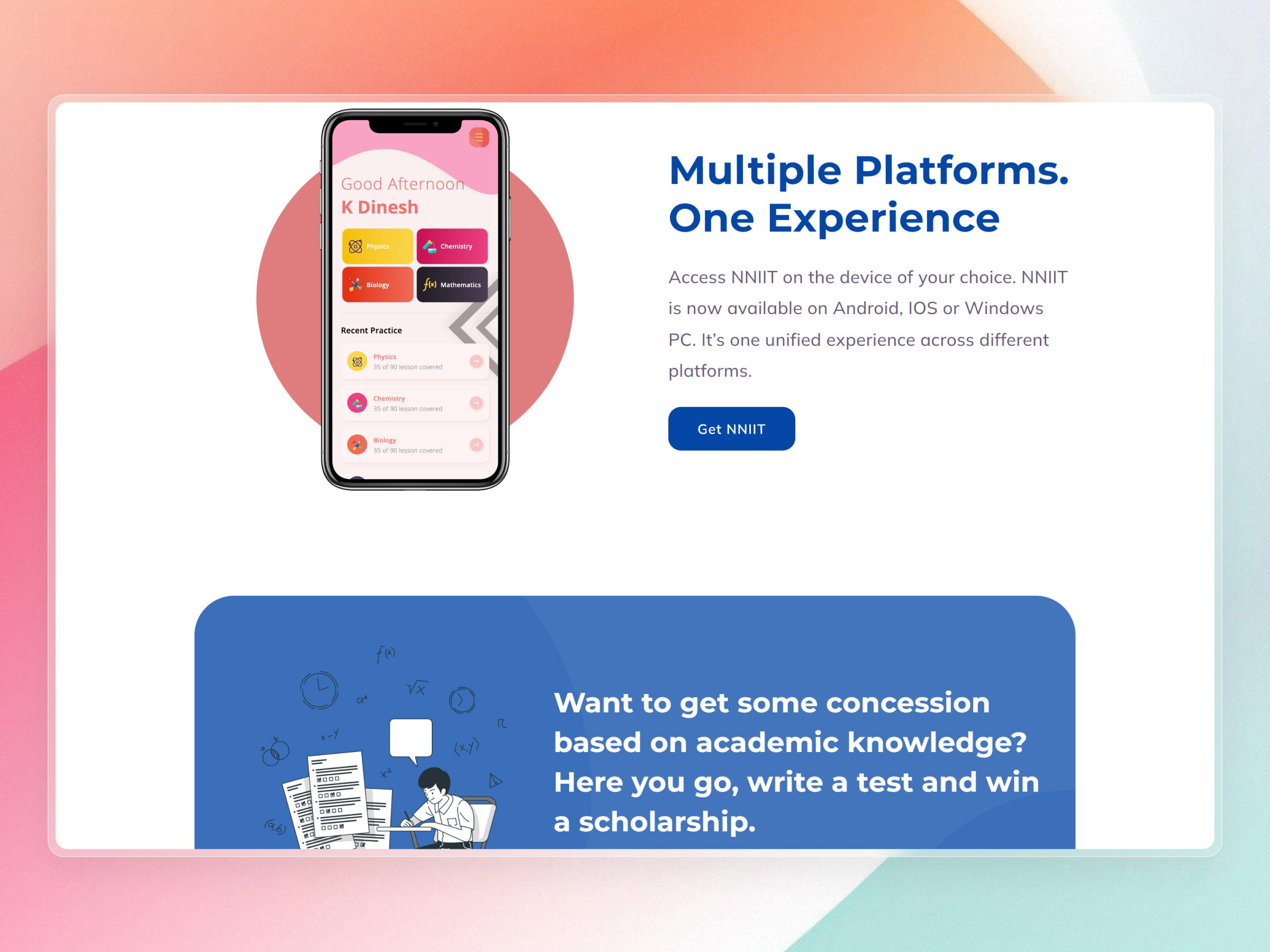
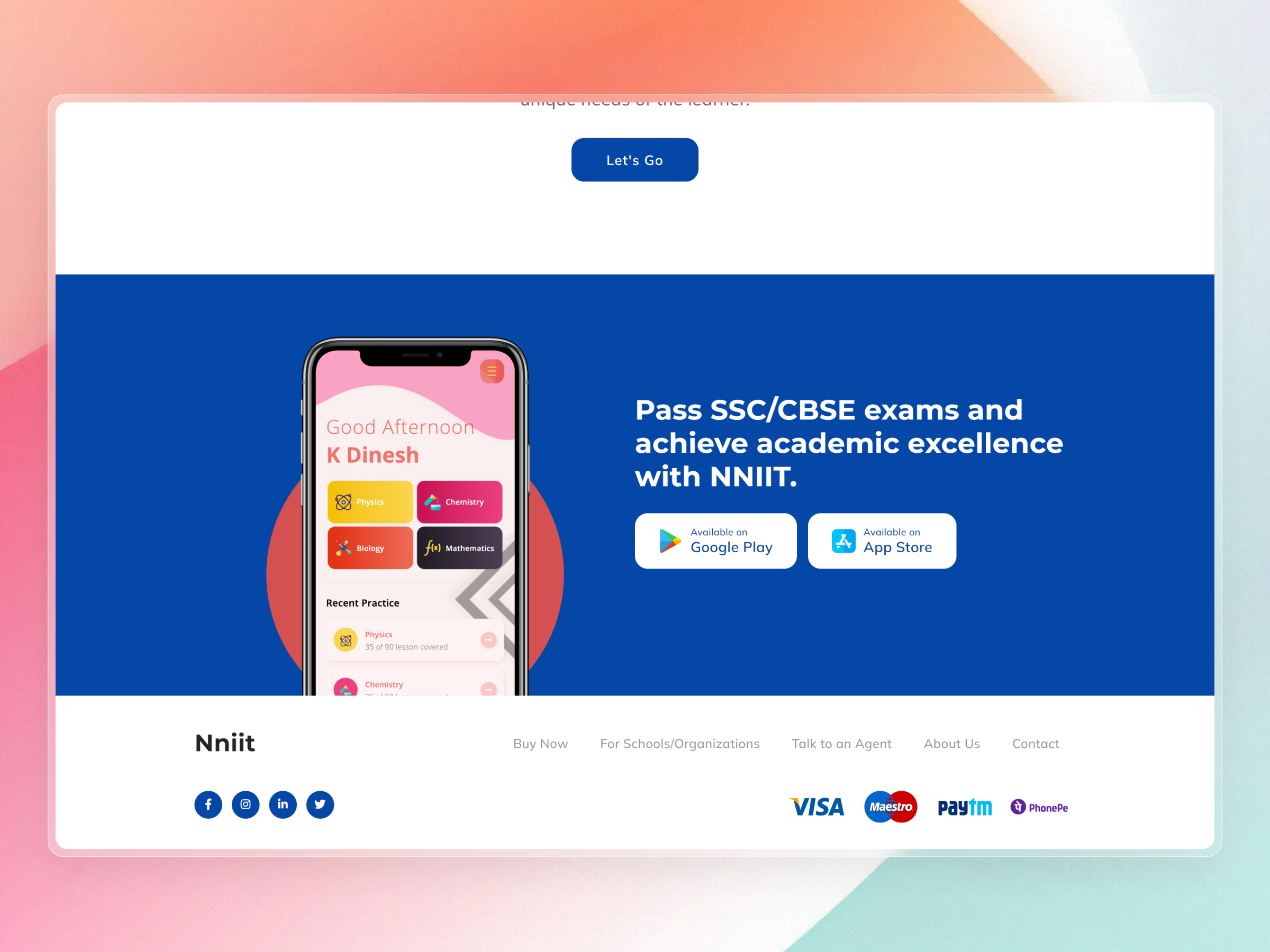
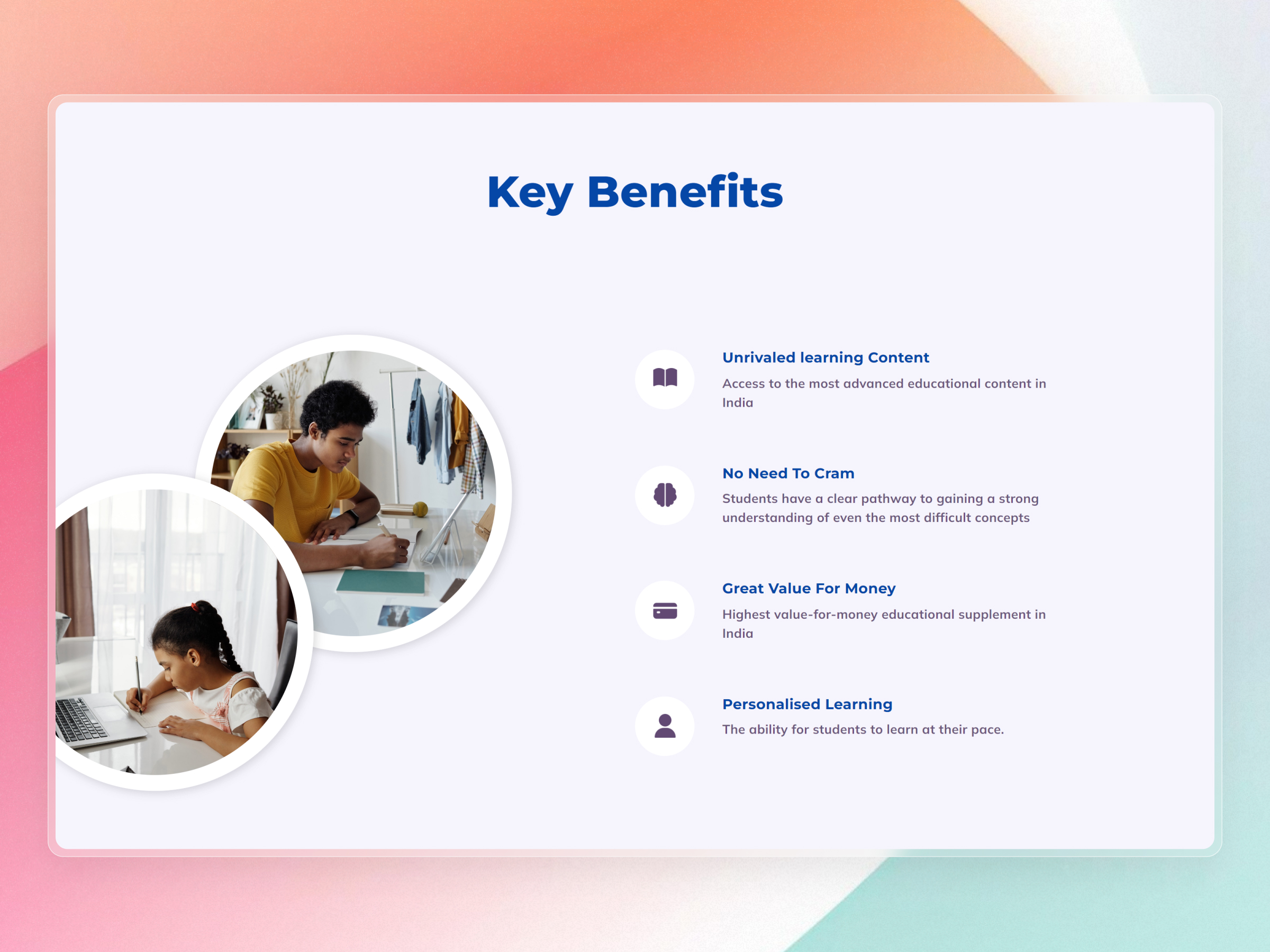
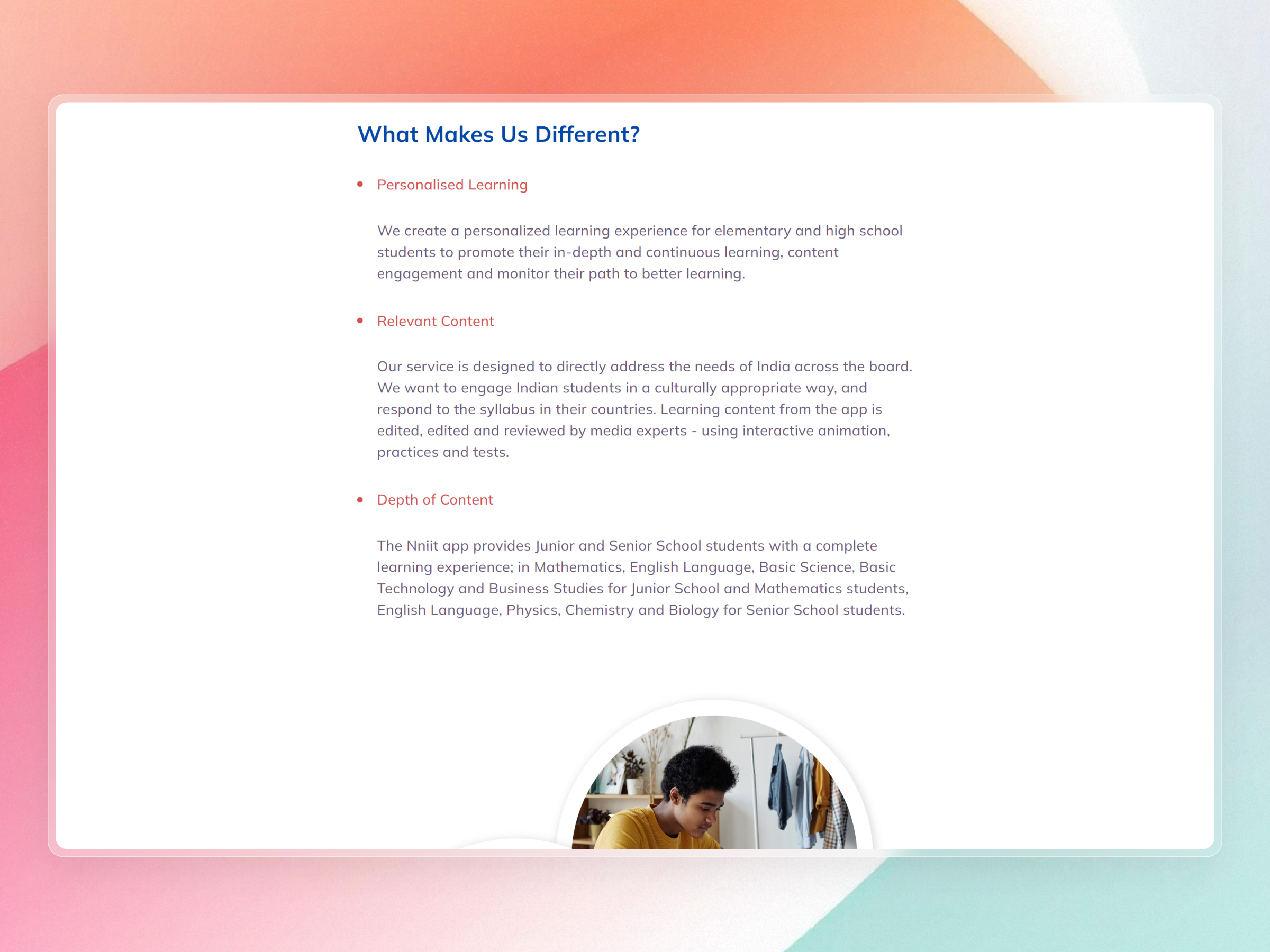
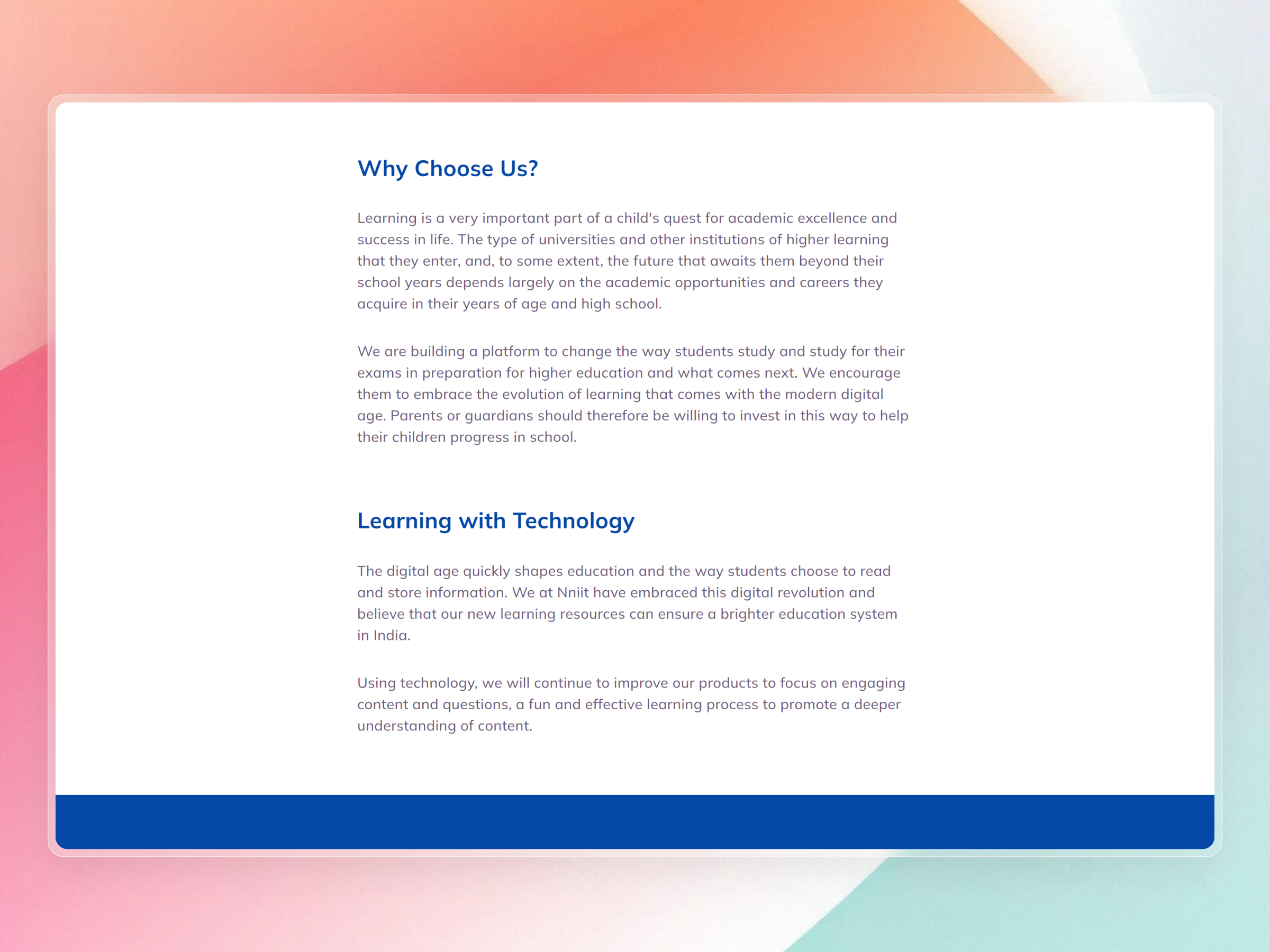
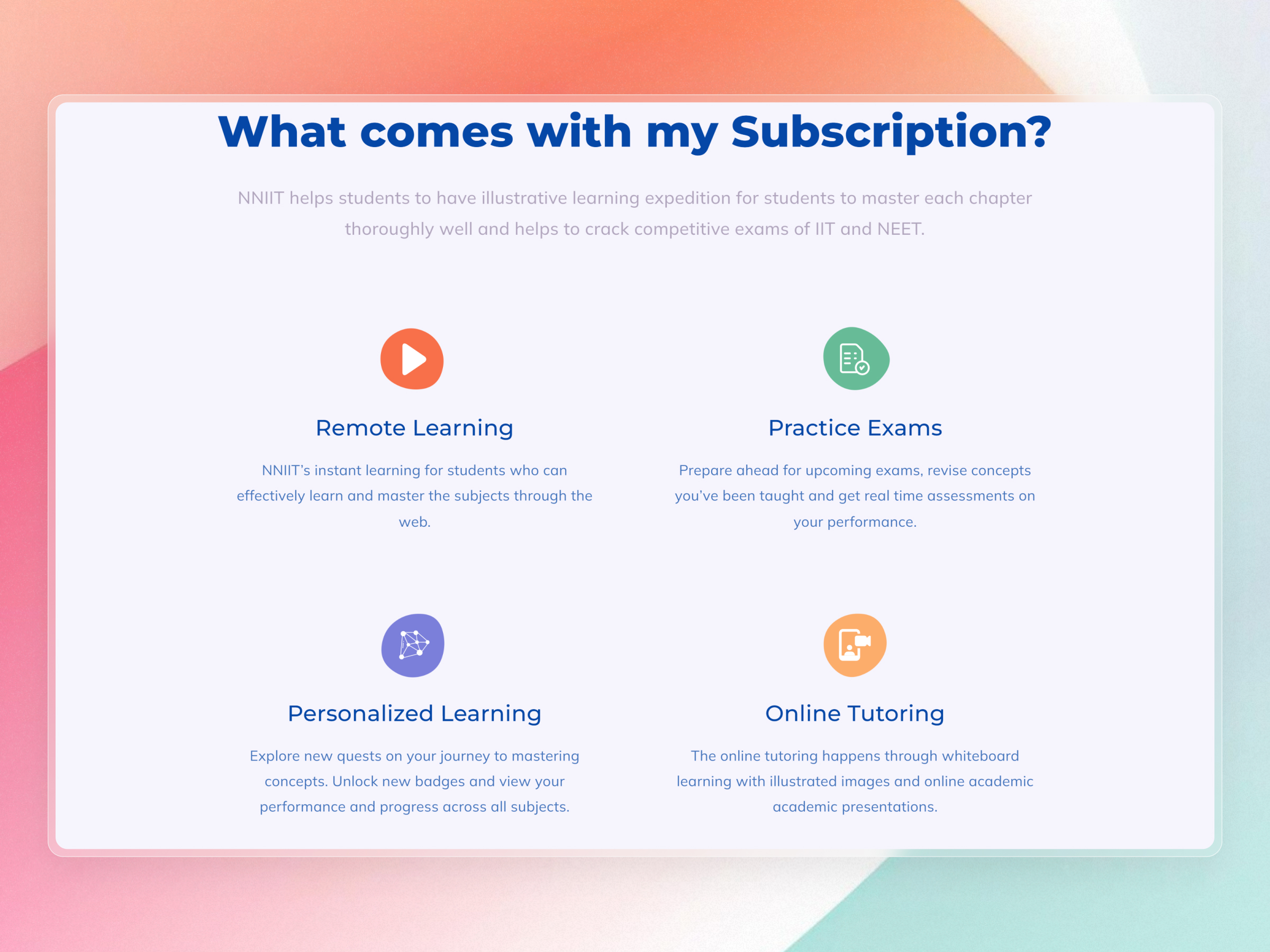
The website walks visitors through the key features of the NNIIT LMS — online exams, adaptive practice, course structure — without requiring them to log in or sign up first. The goal was to make someone understand the value of the product in under two minutes of reading.
Course and Program Information
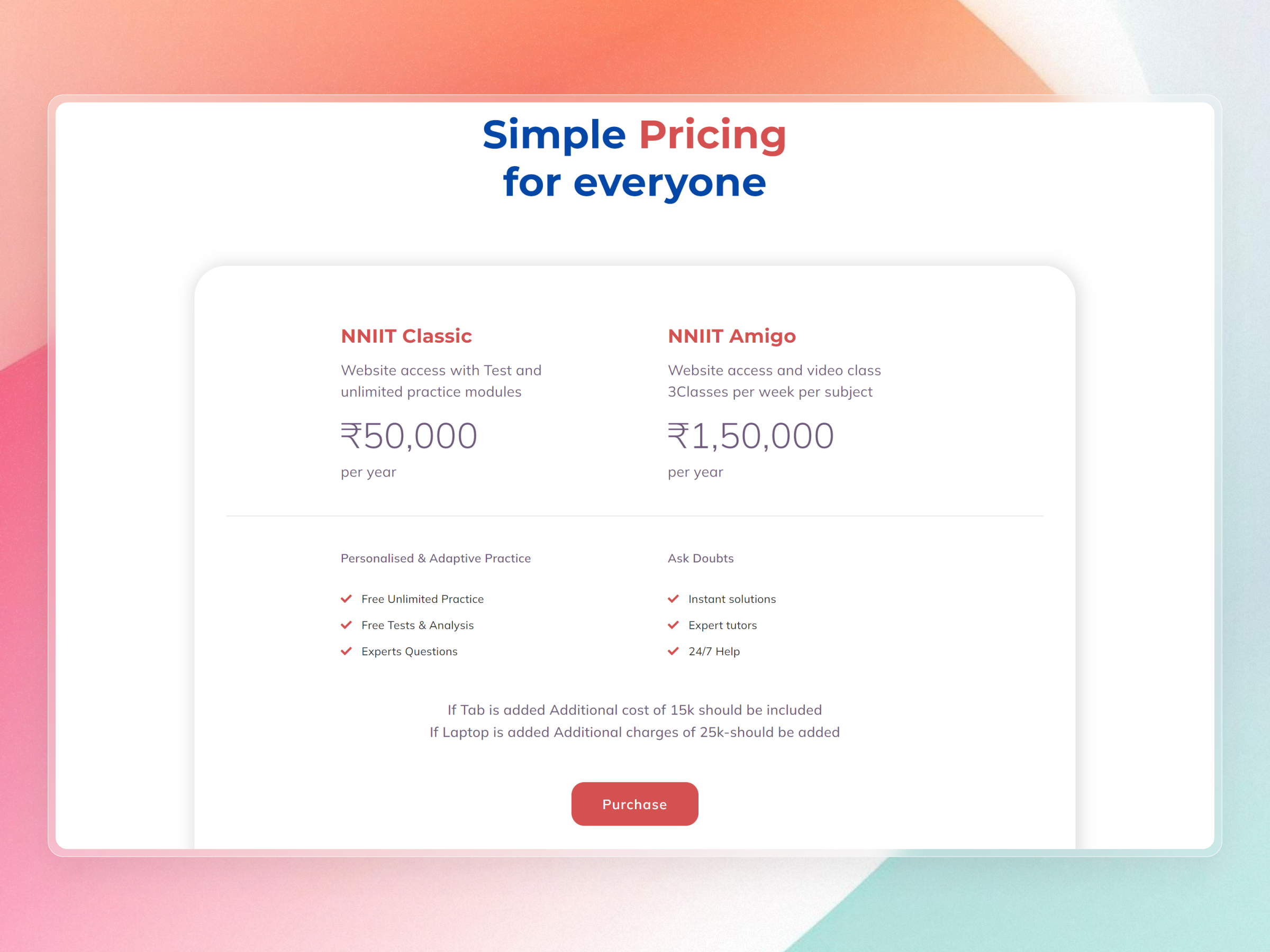
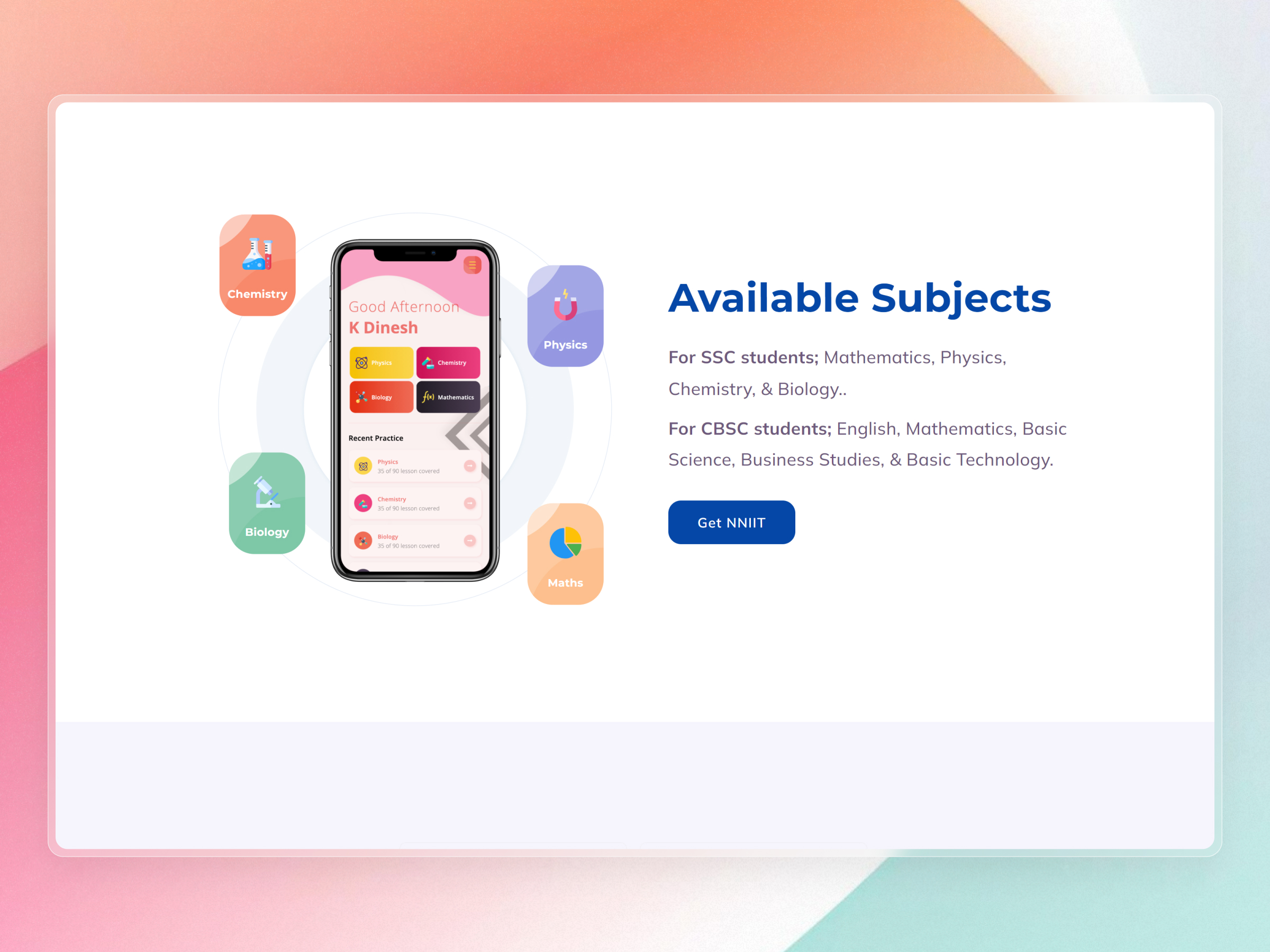
Students search for specific subjects and programs before they search for institutions. We structured the course pages to answer those intent-specific queries — what the course covers, who it's for, how long it takes — so the site could capture traffic from students already looking.
Lead Generation
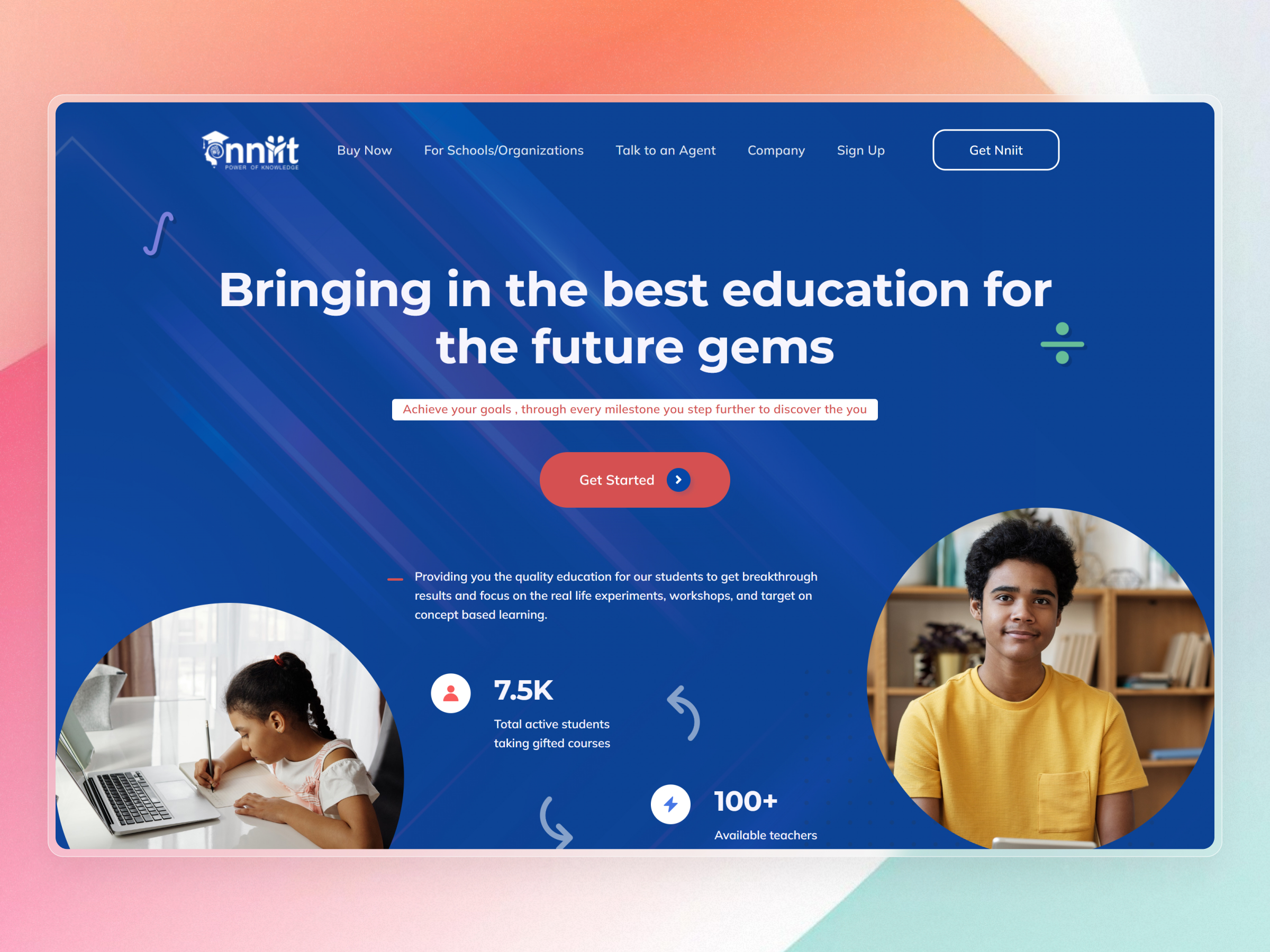
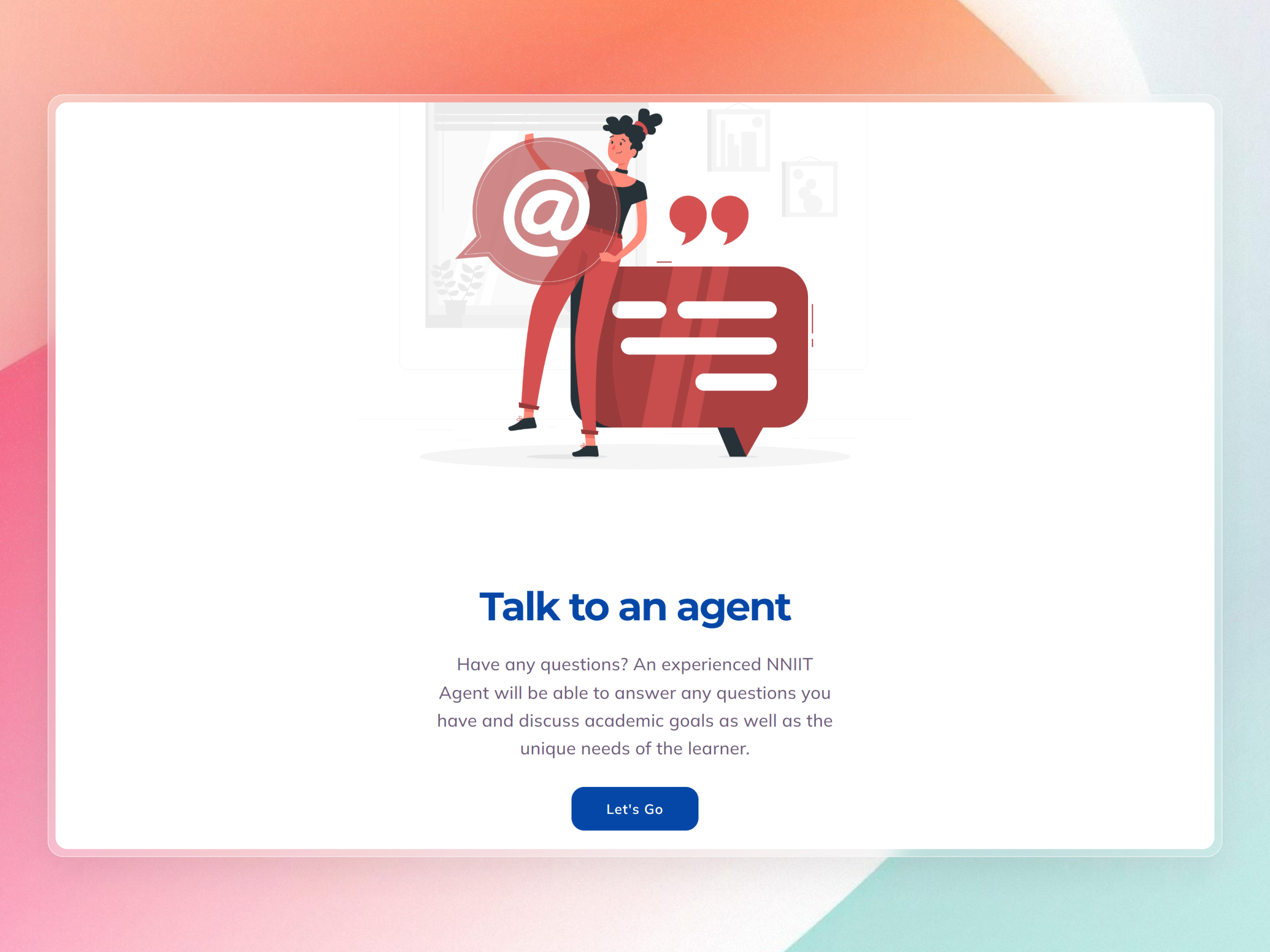
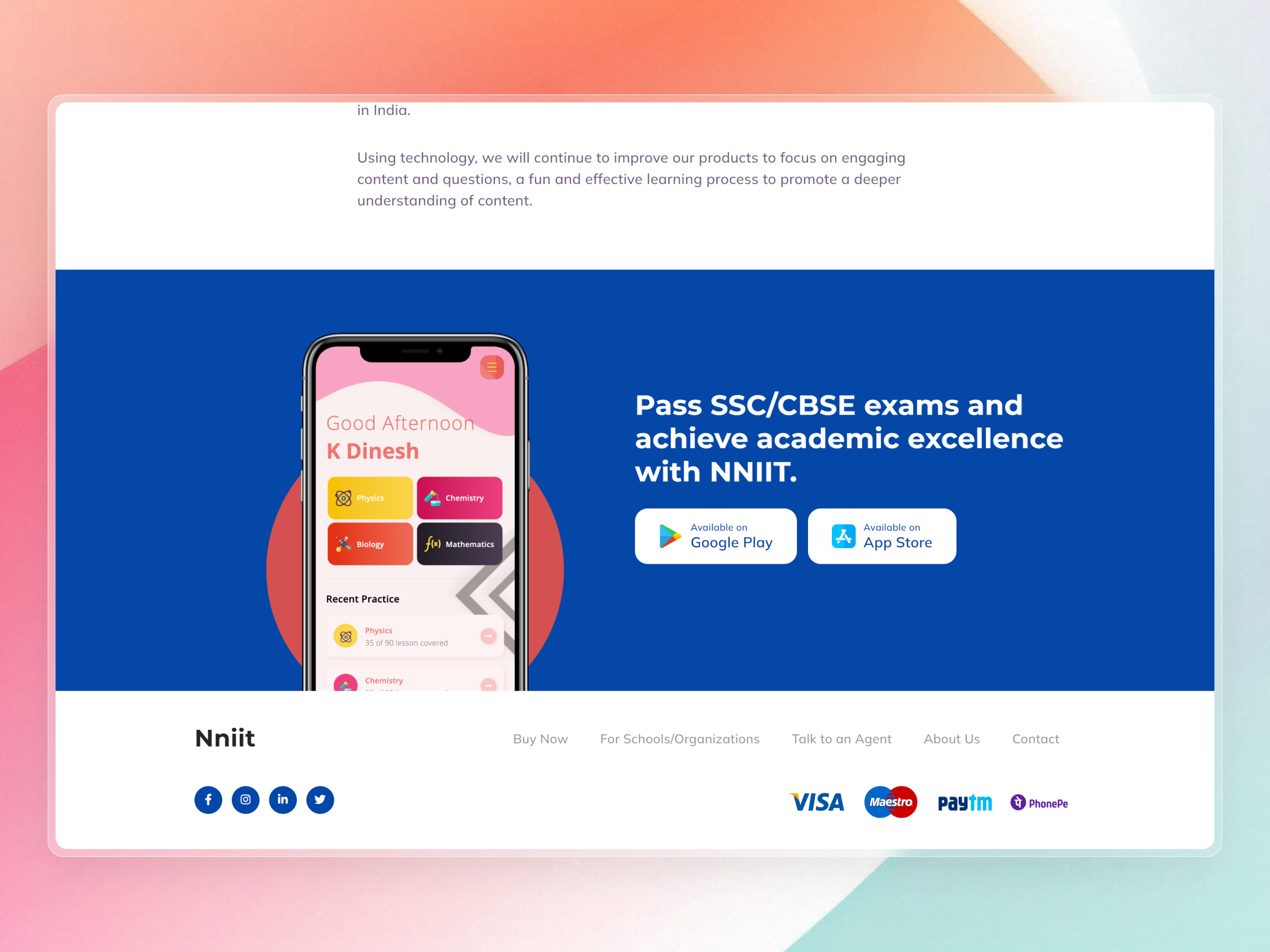
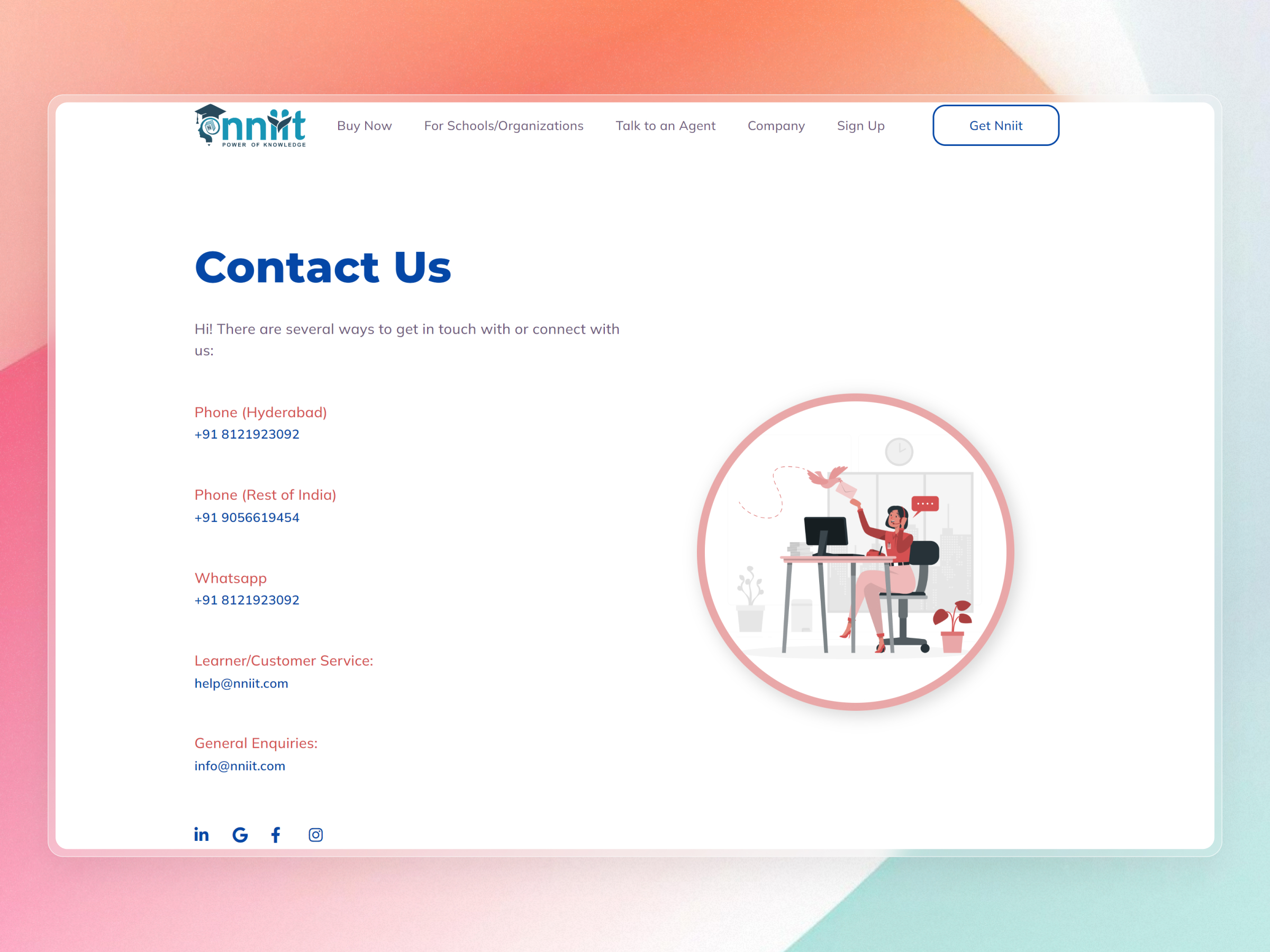
Every key page ends with a clear call to action. Enquiry forms, contact sections, and registration prompts are placed at the points where a visitor has enough context to make a decision. We kept the forms short — name, contact, interest — because long forms kill conversion rates.
What shipped
The website gave NNIIT a professional public presence that matched the quality of the LMS behind it. Prospective students could find the product, understand what it offered, and take action — all without friction. Combined with the LMS, NNIIT had a complete digital product: a platform for existing students and a website that brought new ones in. See the NNIIT LMS case study for the complete platform build.
Frequently Asked Questions
Questions about school websites,
answered clearly.
Questions about the work, scope, delivery context, and next steps.
A professional school website with course pages, a feature showcase for the product, and lead generation forms is typically a straightforward project. The NNIIT website was built alongside the complete LMS platform. Cost depends on how many pages you need, whether there's a CMS for the school to update content themselves, and how much design work is involved. We handle UI design and development together — schools don't need to hire a separate agency for each.
Related Work
Similar case studies,
selected for context.
Continue exploring related work, with comparable product and delivery challenges.