Mobile ApplicationsInterface DesignsMVP Development
Lyt til Danske Salmer - Mobile Apps
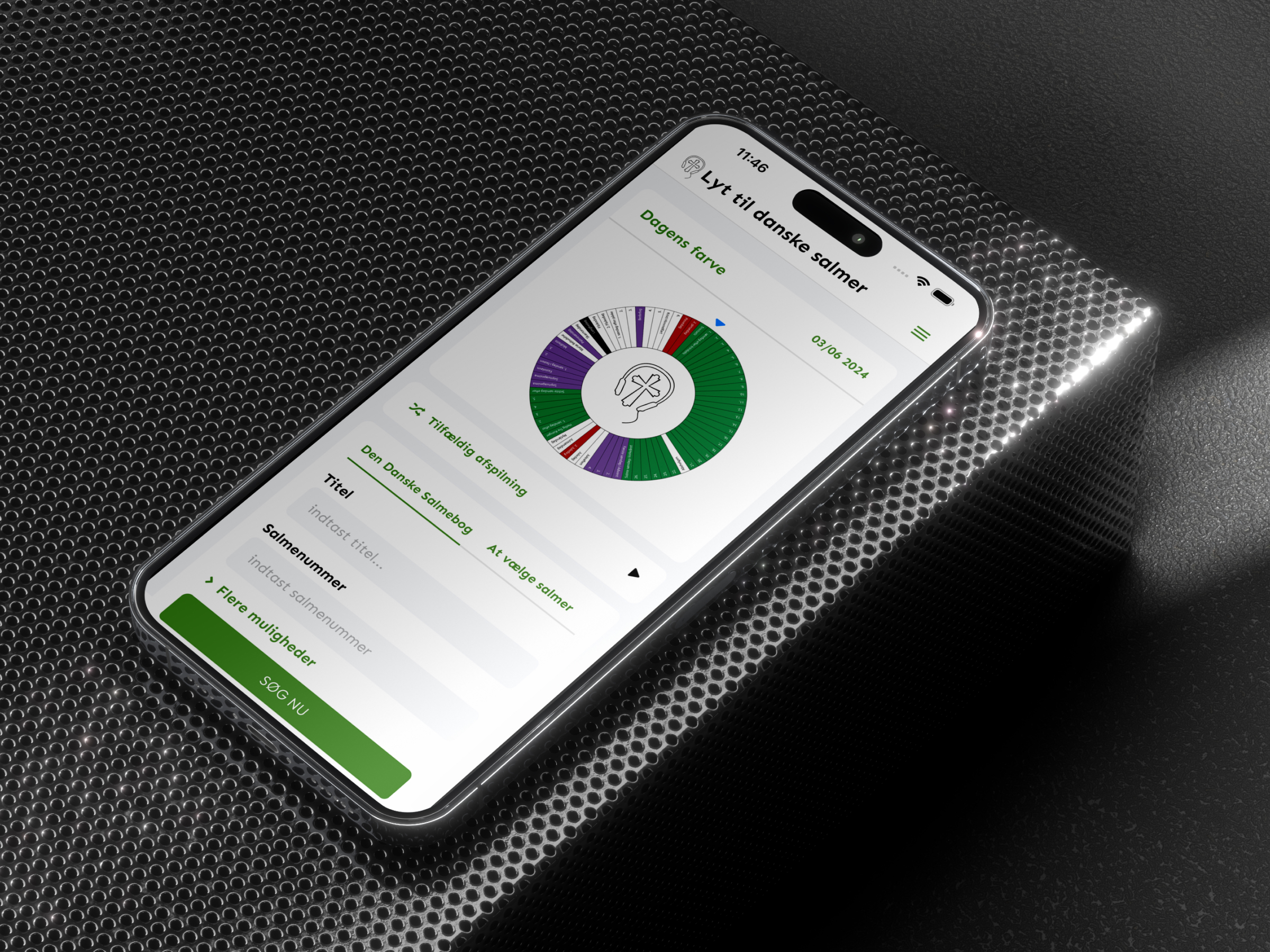
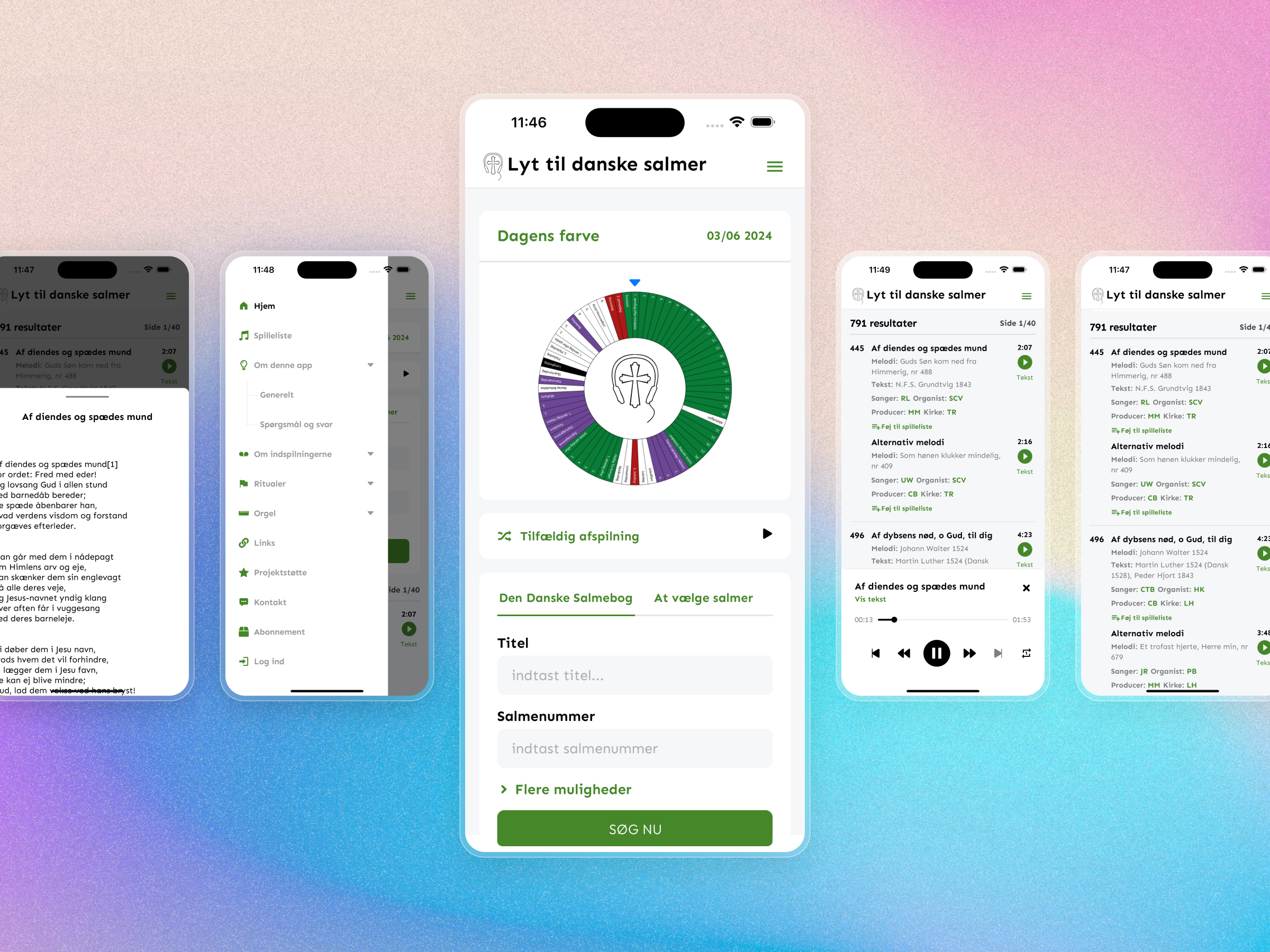
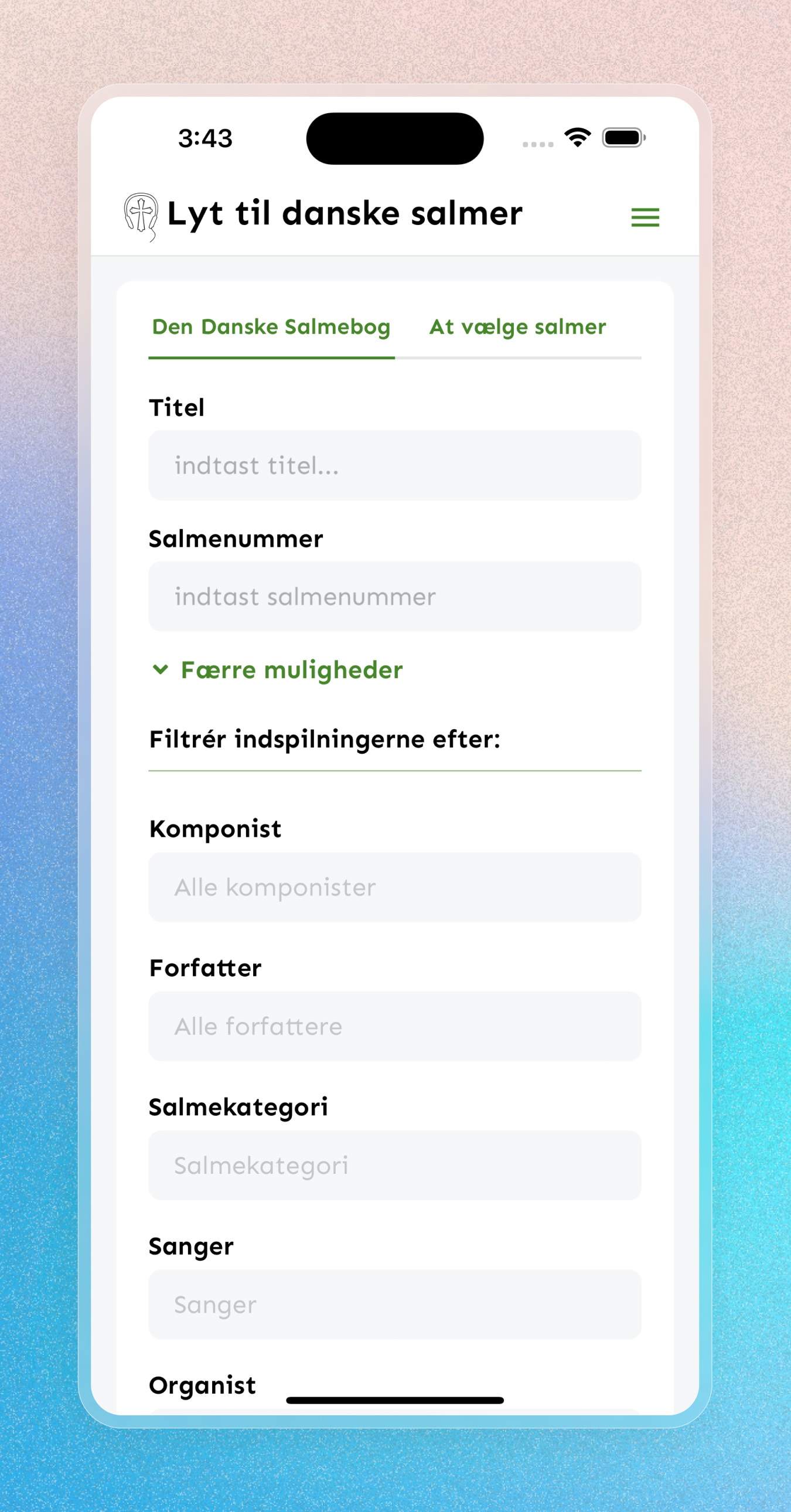
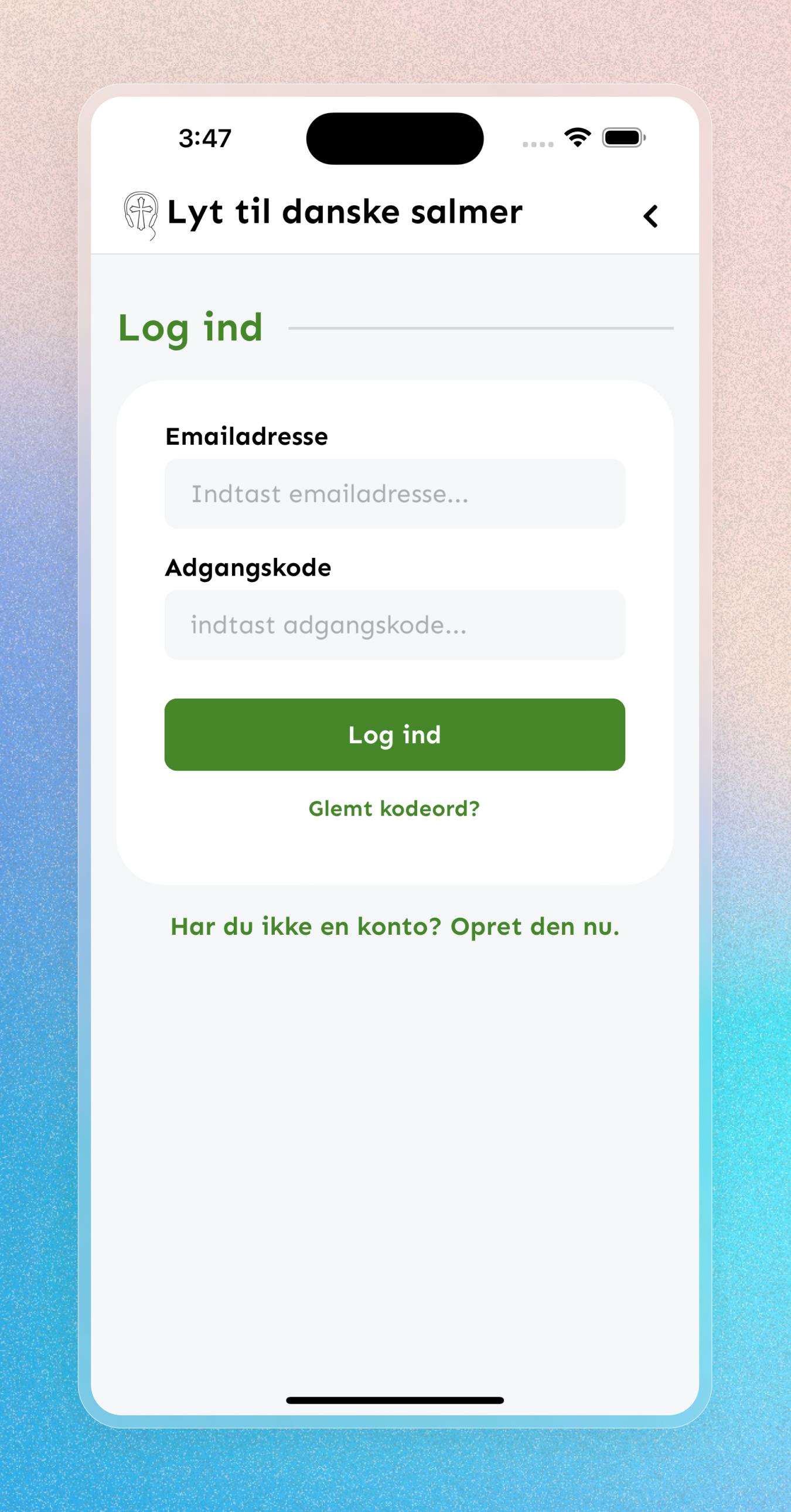
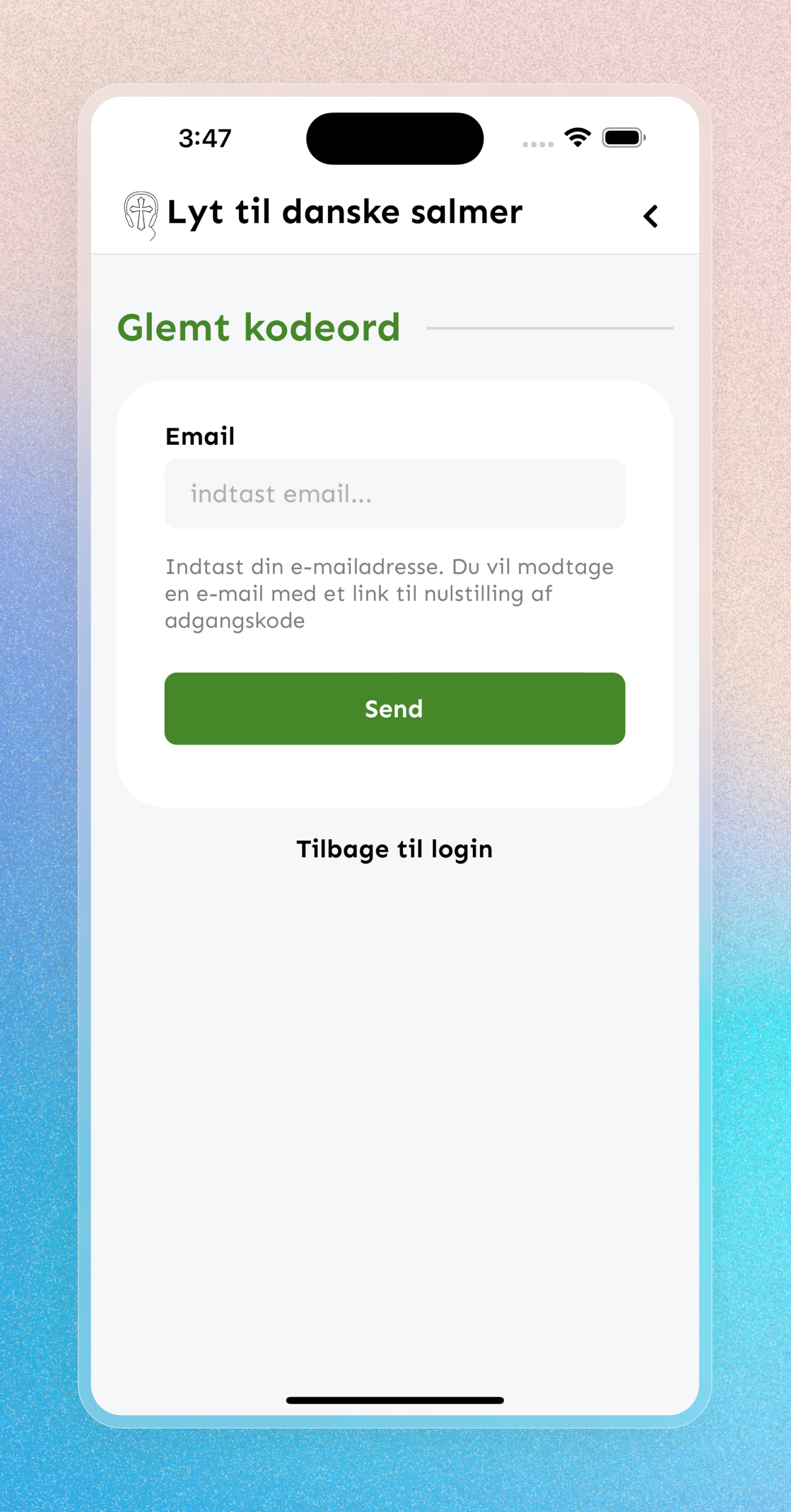
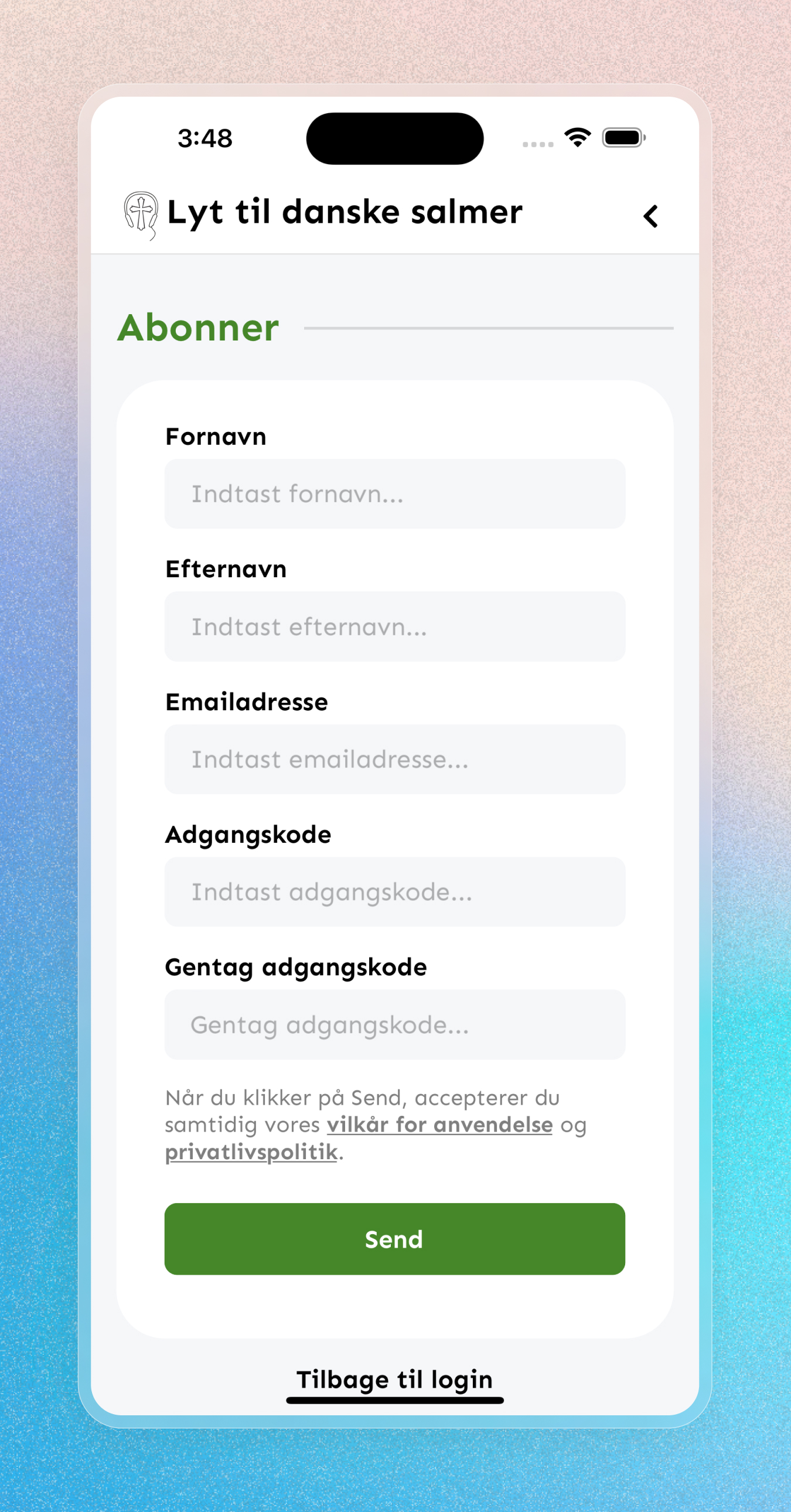
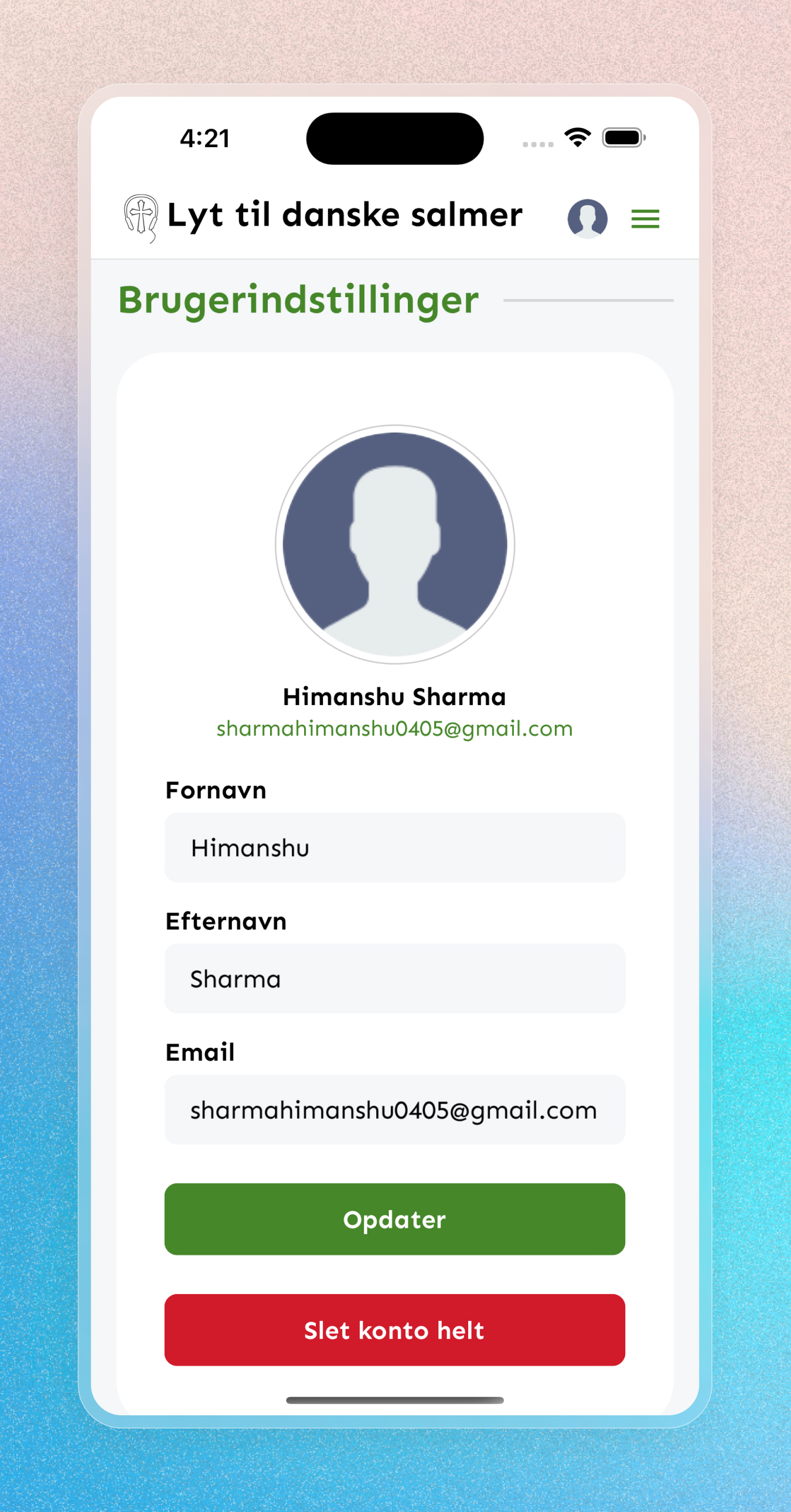
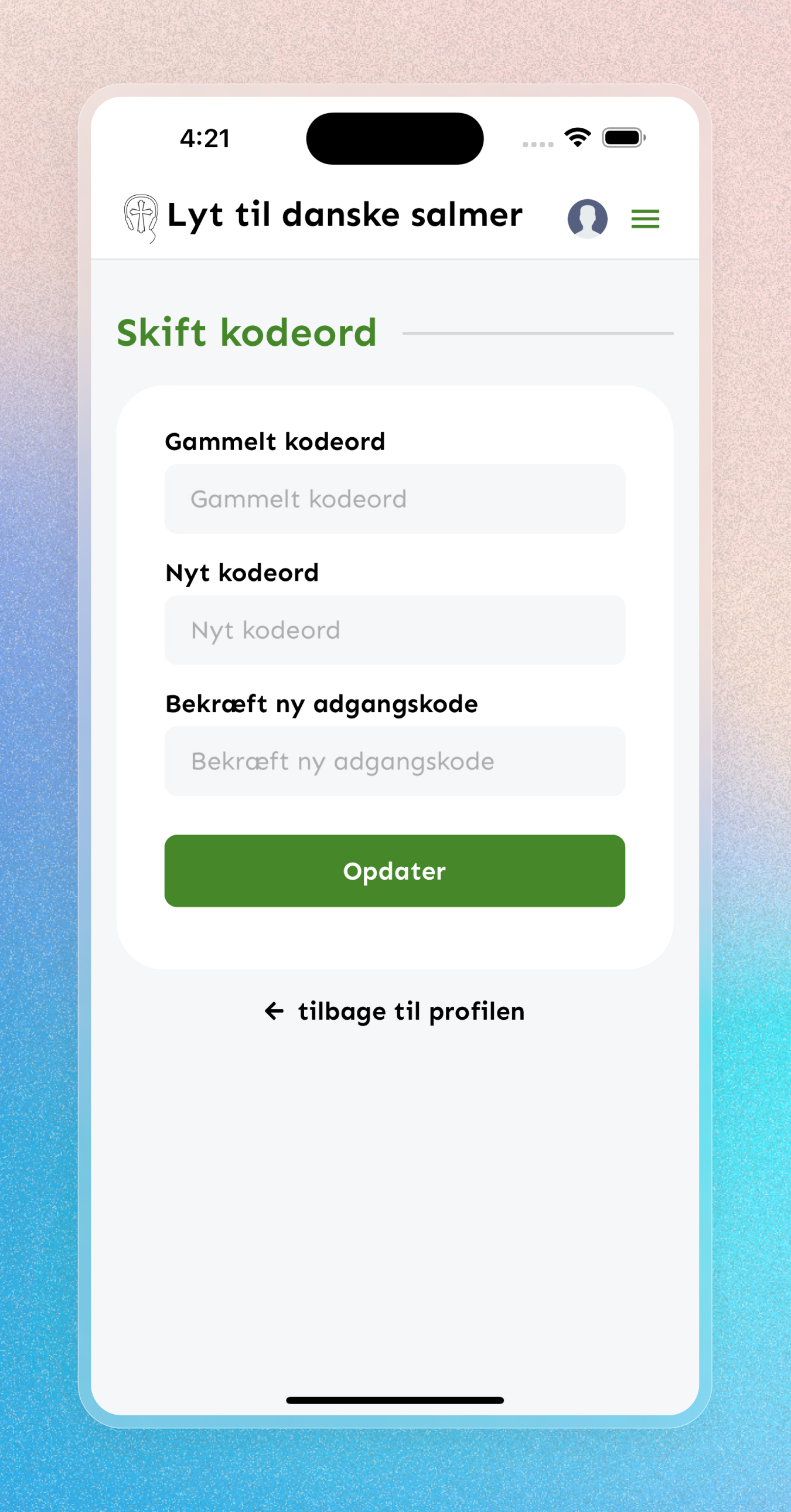
Lyt til Danske Salmer mobile apps extend the hymn platform into a portable experience, giving listeners a cleaner way to access the same library.
Mobile apps that extend the Salmer experience
Lyt til Danske Salmer launched as a web app, and the client wanted mobile apps to go with it. Their users weren't just sitting at desks — they were at church, at choir practice, commuting, or at home on the couch. The web platform was already working; the mobile apps needed to bring the same experience to iOS and Android without adding a whole new backend or doubling the budget.
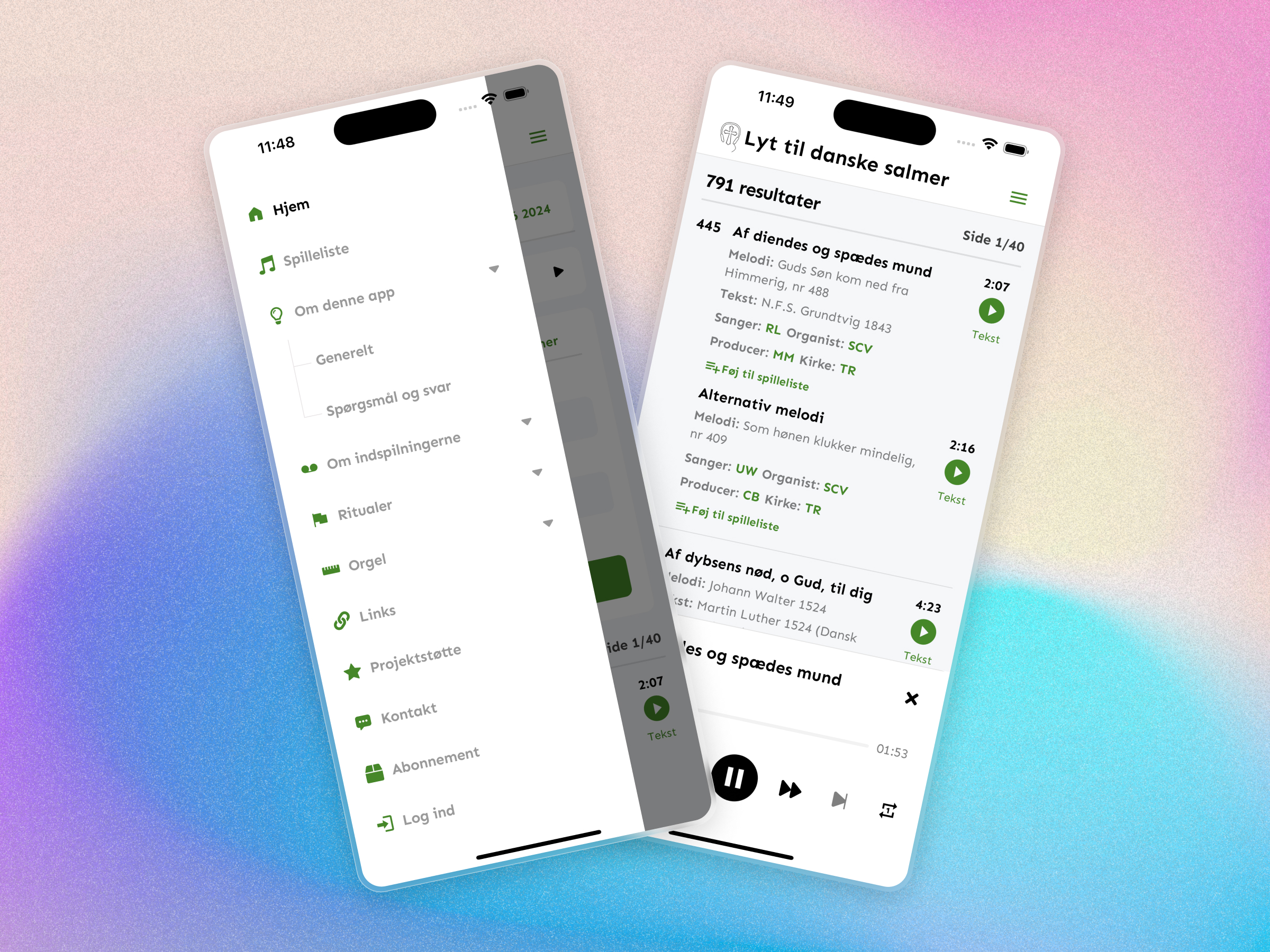
We planned, designed, and built both apps in React Native, connected to the same Adonis.js backend that powers the web platform. One subscription, one account, same library — everything works across all three platforms.
What the project needed to do
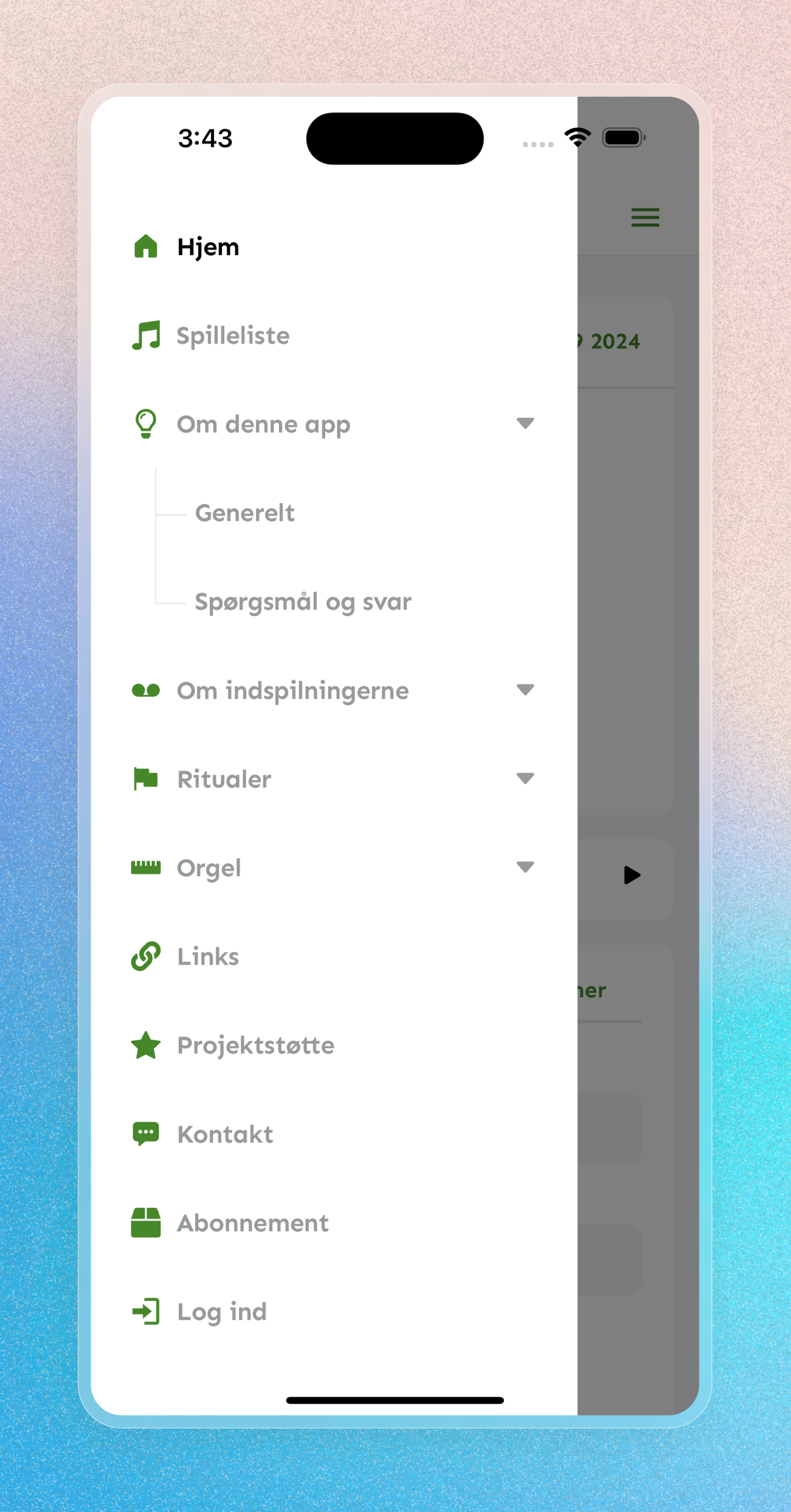
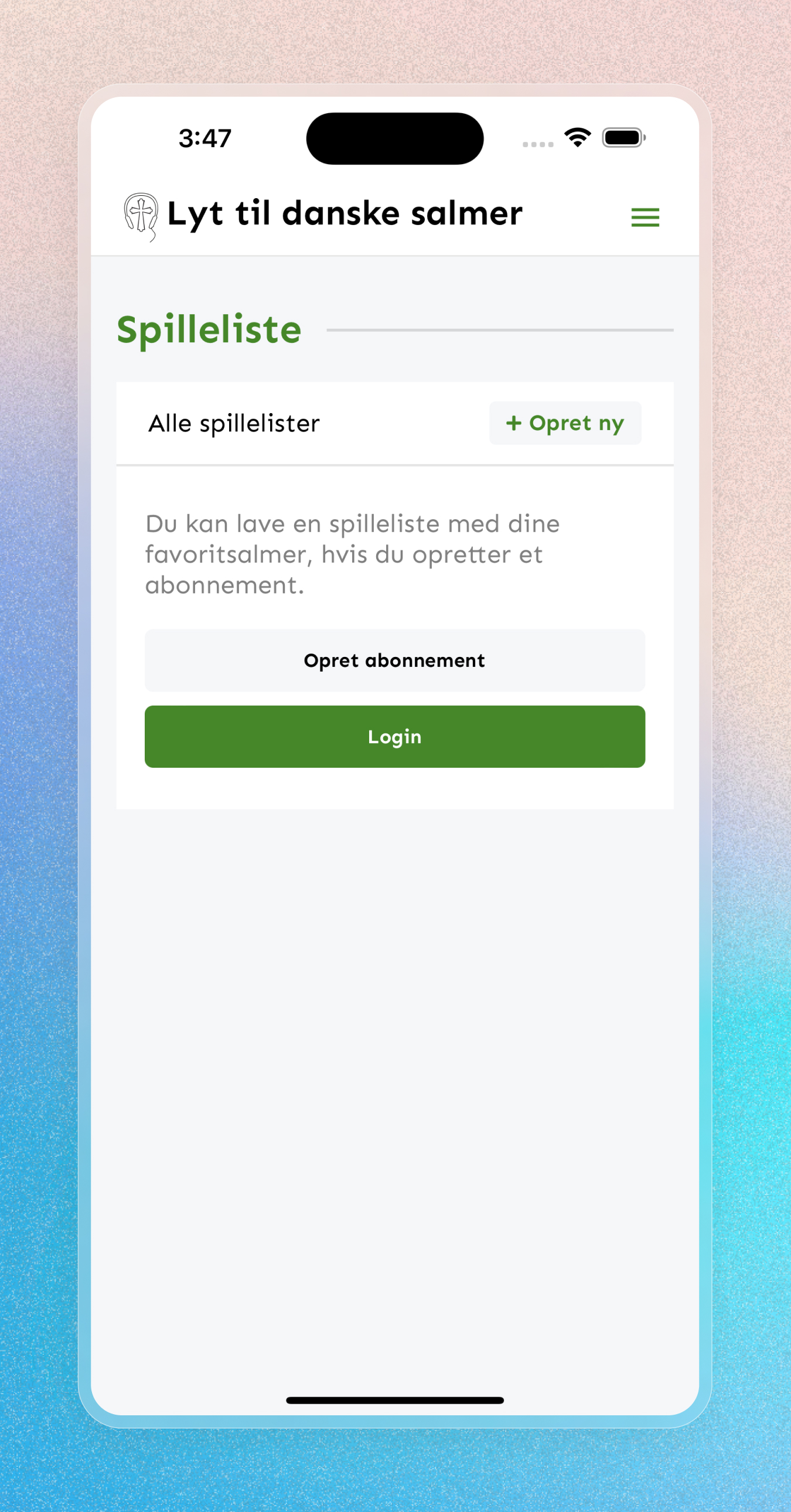
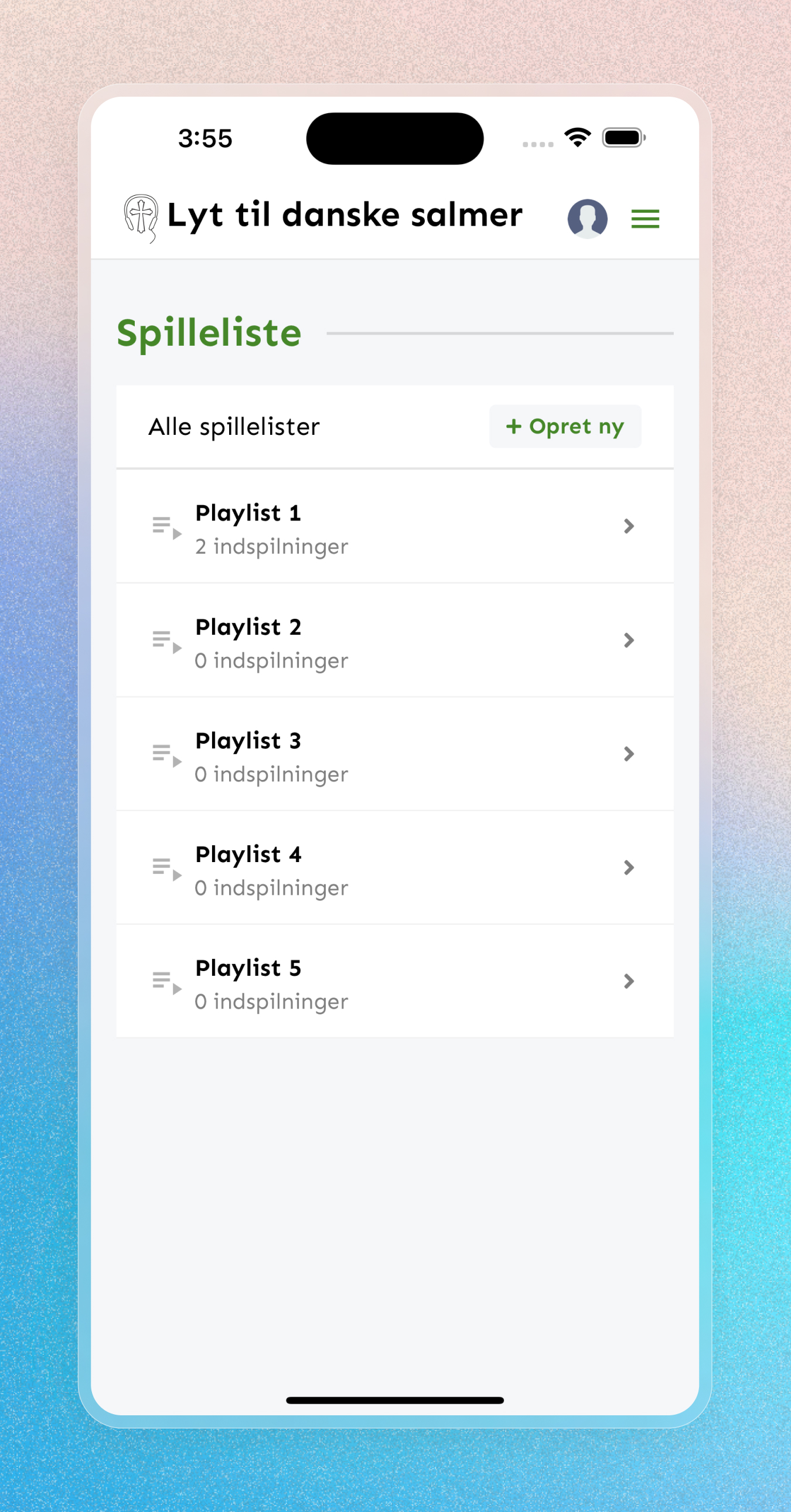
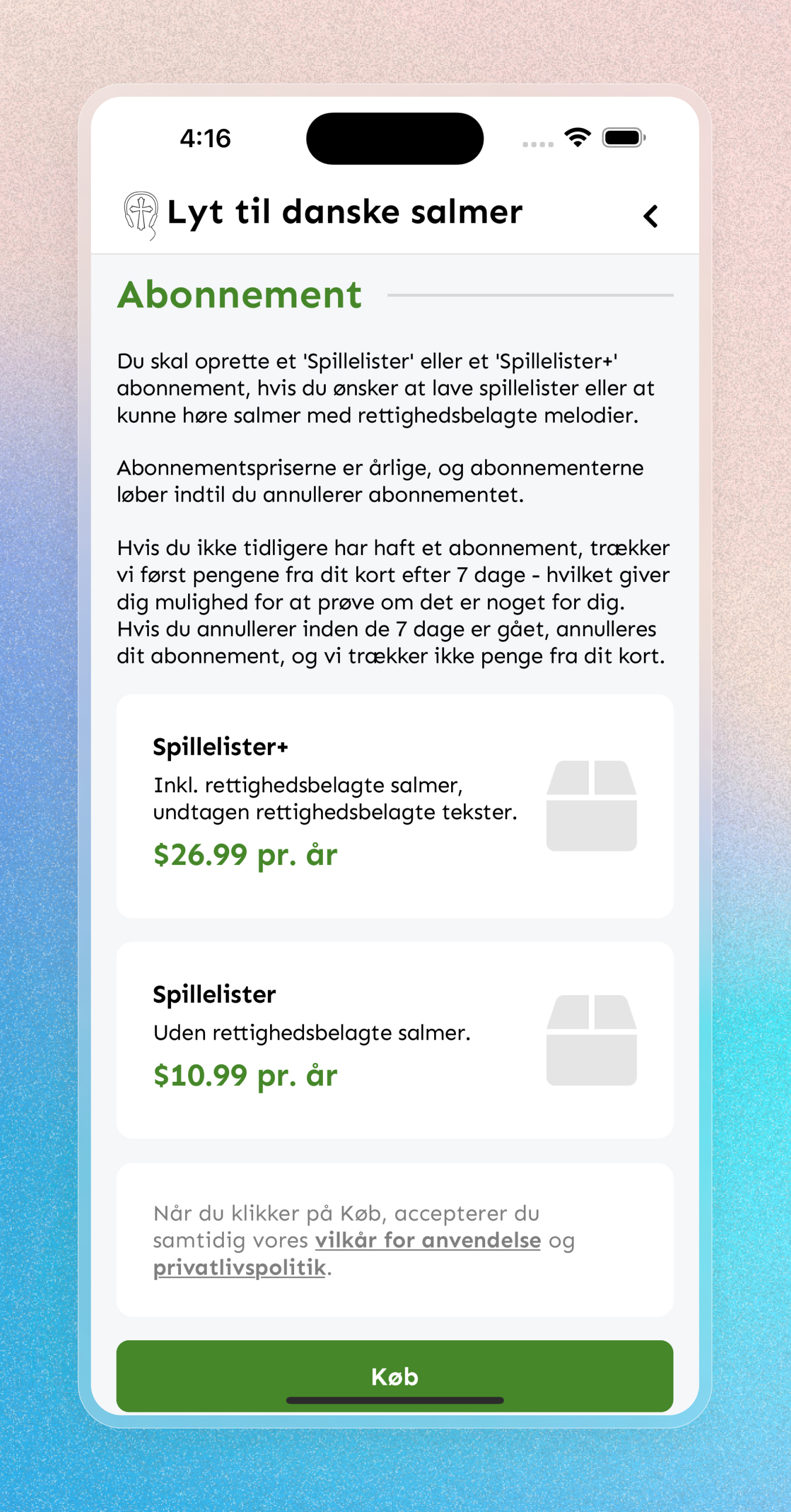
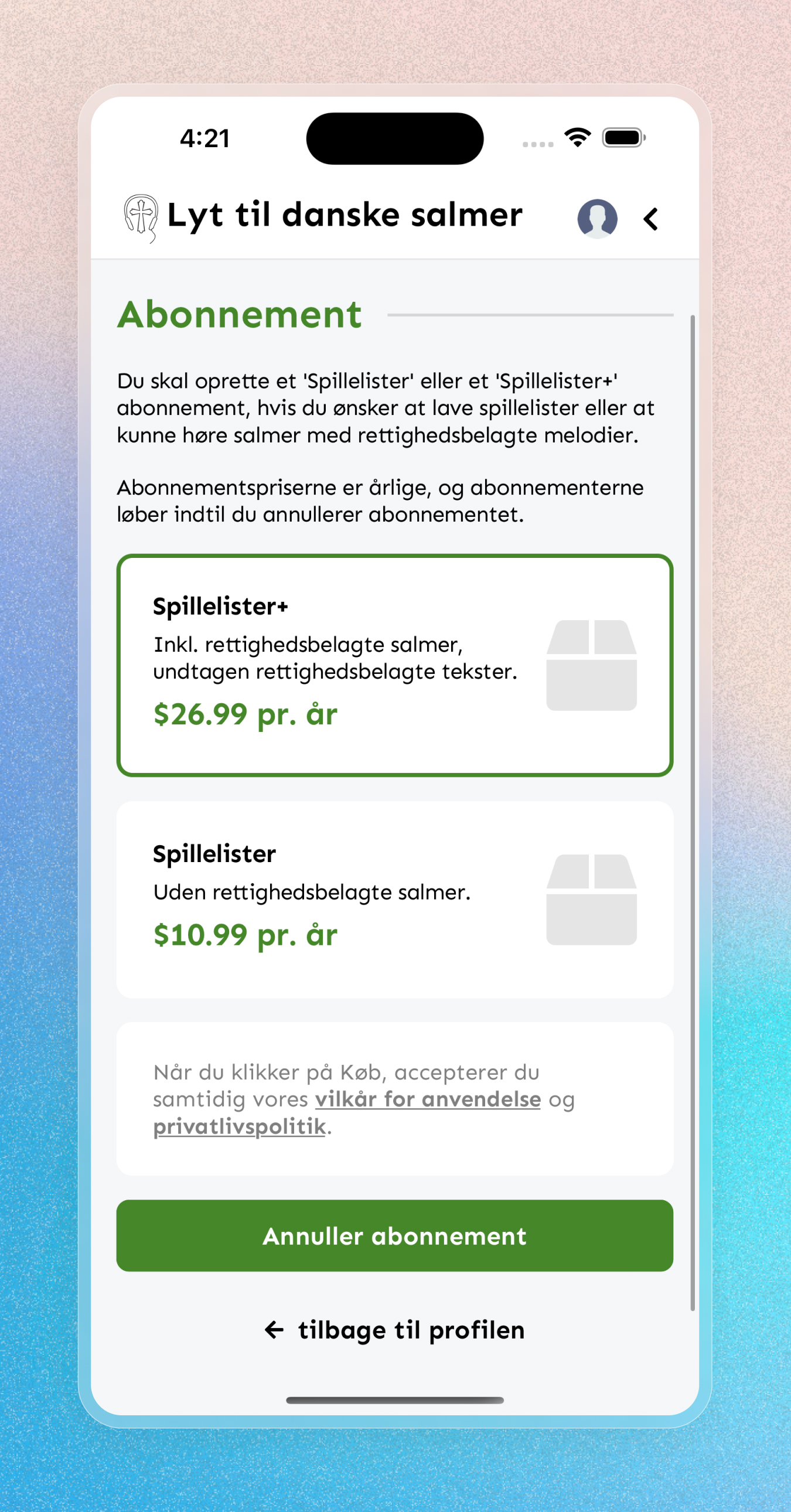
The client didn't want a separate product — they wanted the web experience on mobile. That meant the same subscription plans, same playlists, same hymn library, all available through a native-feeling app on iOS and Android. Users who subscribed on the web should be able to open the product and have everything there immediately, without re-subscribing or logging in twice.
They also wanted background audio — hymns should keep playing when someone locks their phone or switches to another app.
How we approached it
React Native was the right call here. One codebase for iOS and Android, genuine native performance, and direct integration with the existing Adonis.js API. We didn't need to reinvent anything on the backend — the subscription logic, the hymn library, the playlists were all already there. We just built the mobile layer on top.
Background Audio with Lock Screen Controls
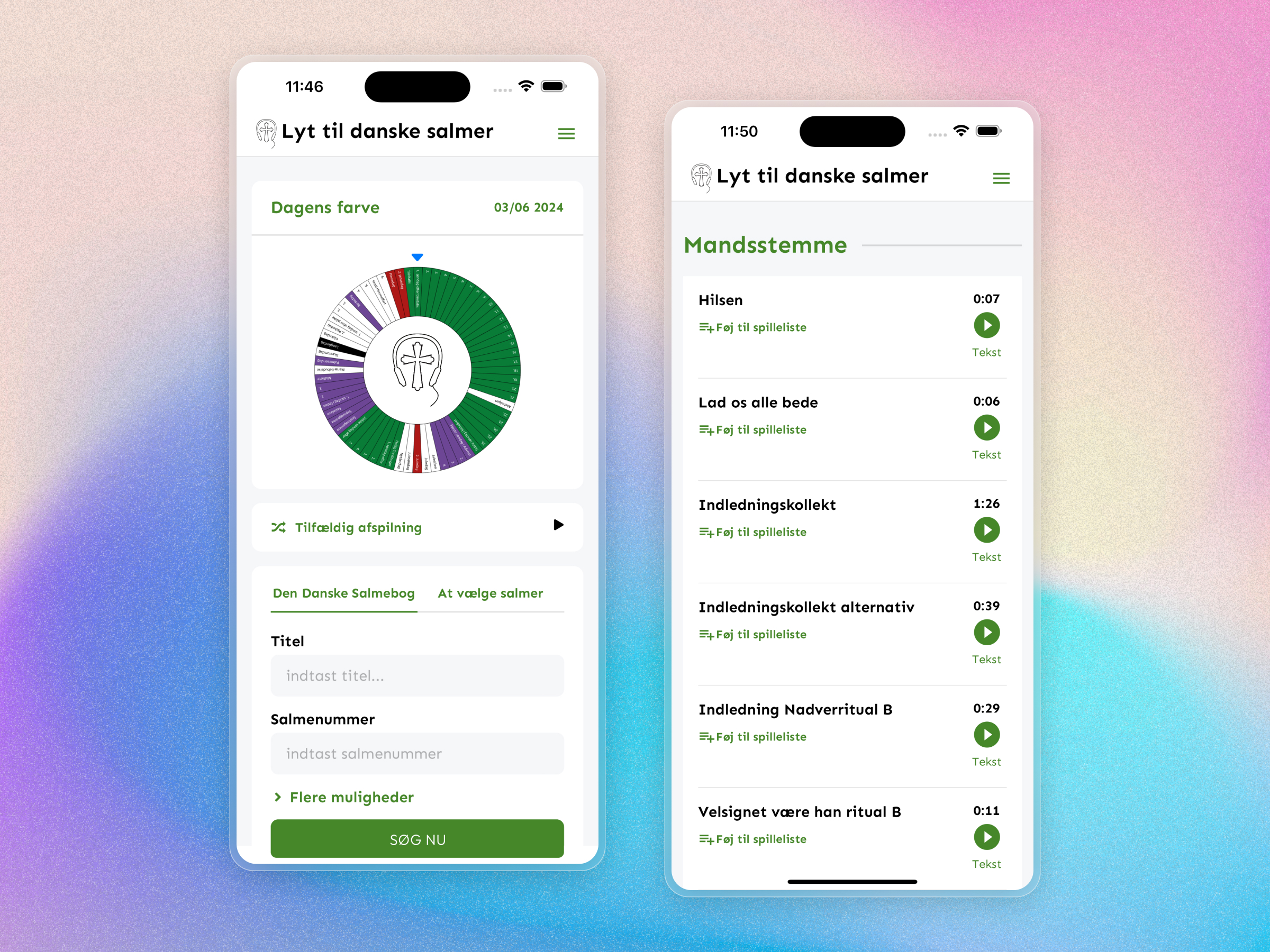
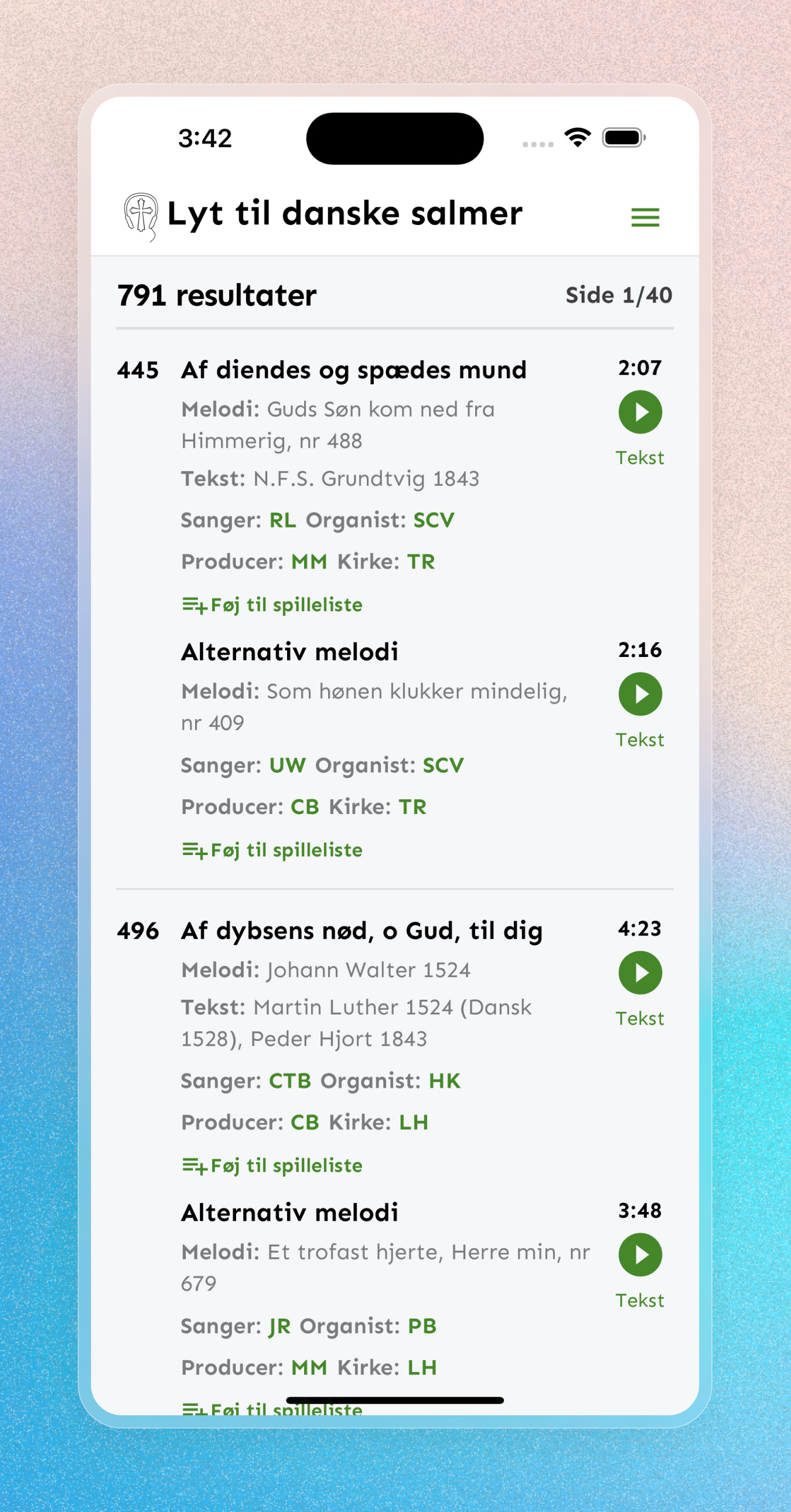
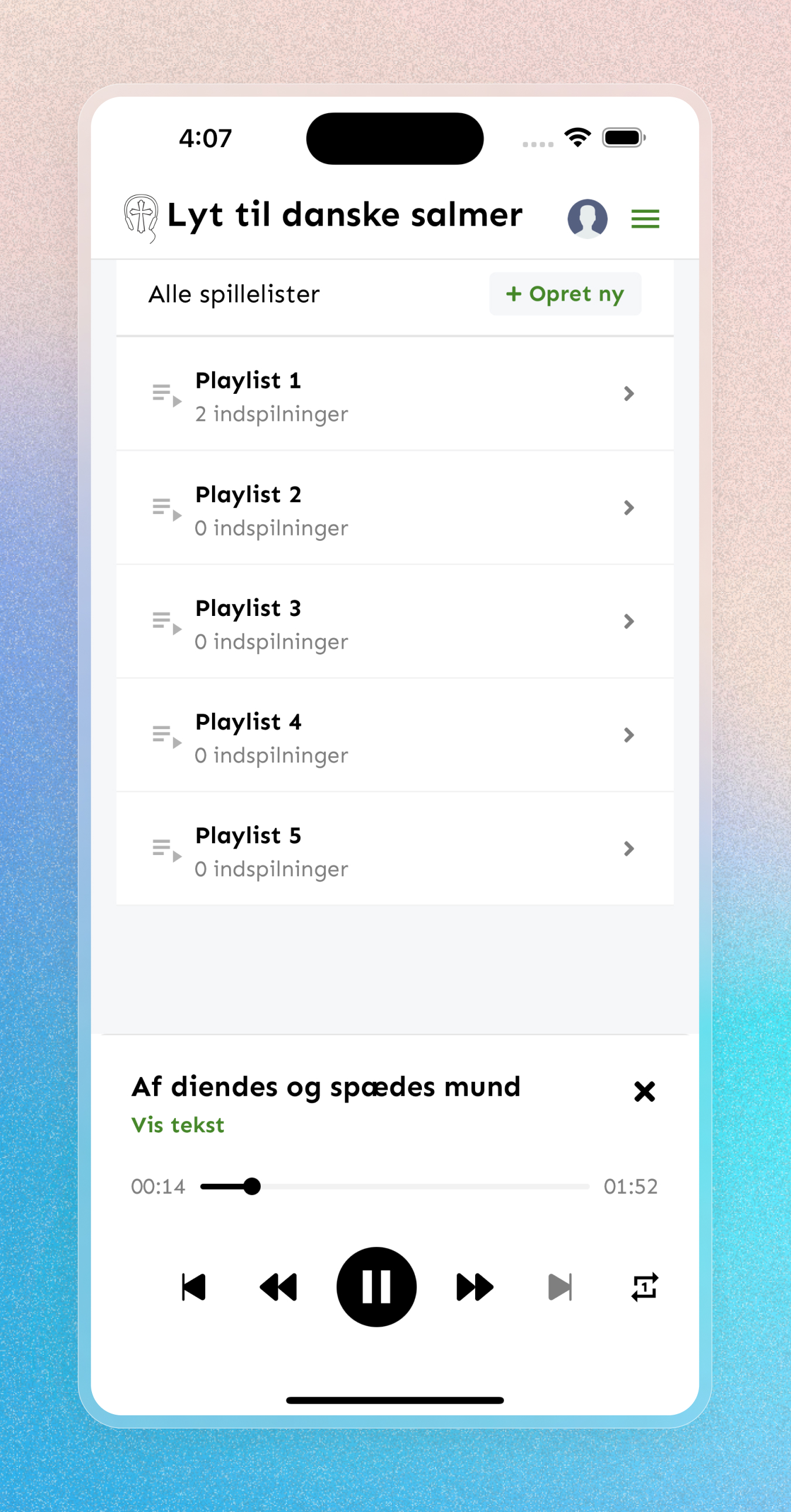
We integrated React Native Track Player to handle audio playback. Hymns keep playing when the screen locks, and users get lock screen controls — play, pause, skip — without having to open the product. It behaves exactly like you'd expect a proper audio app to behave.
Subscription Sync Across Web and Mobile
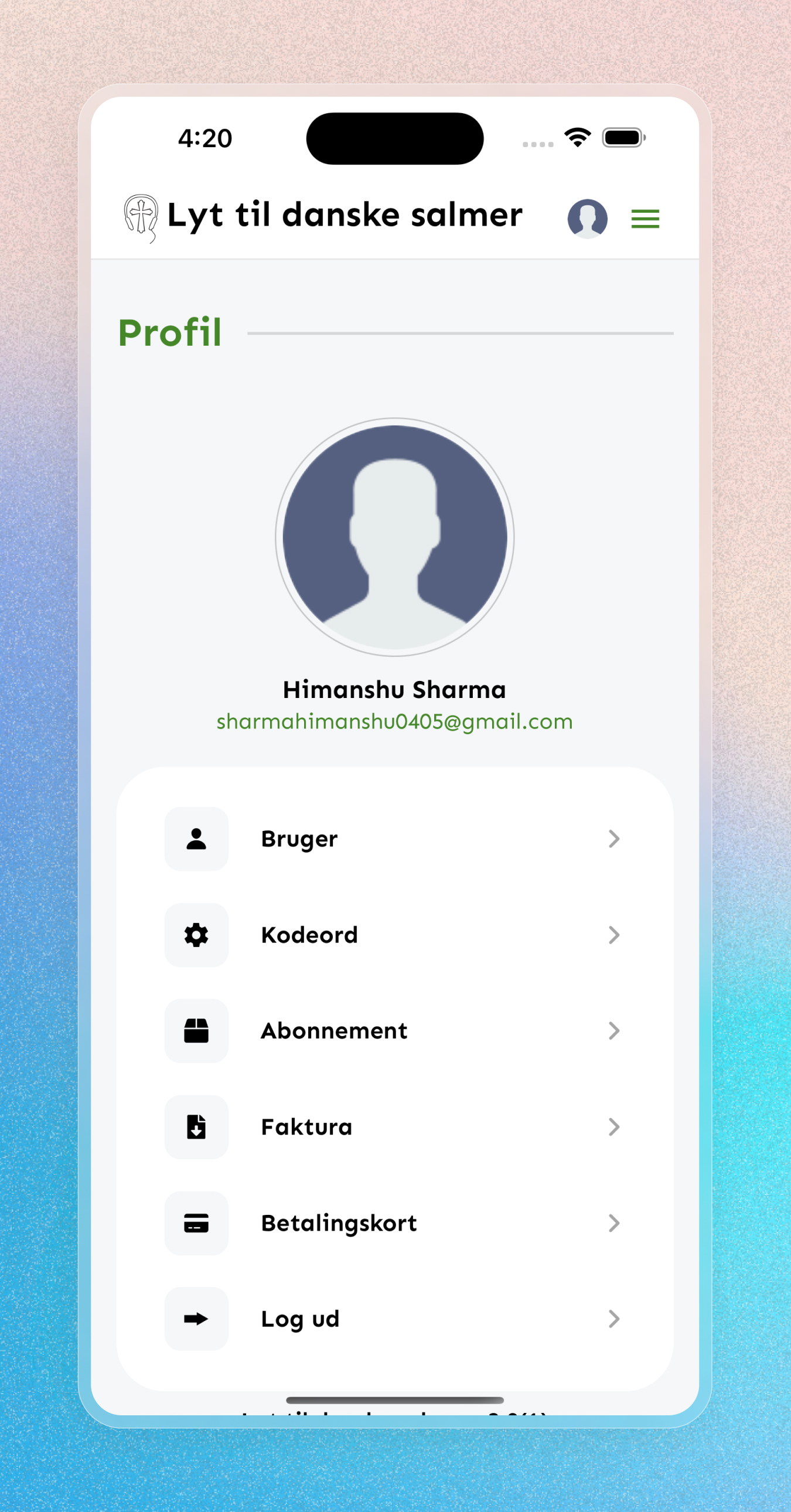
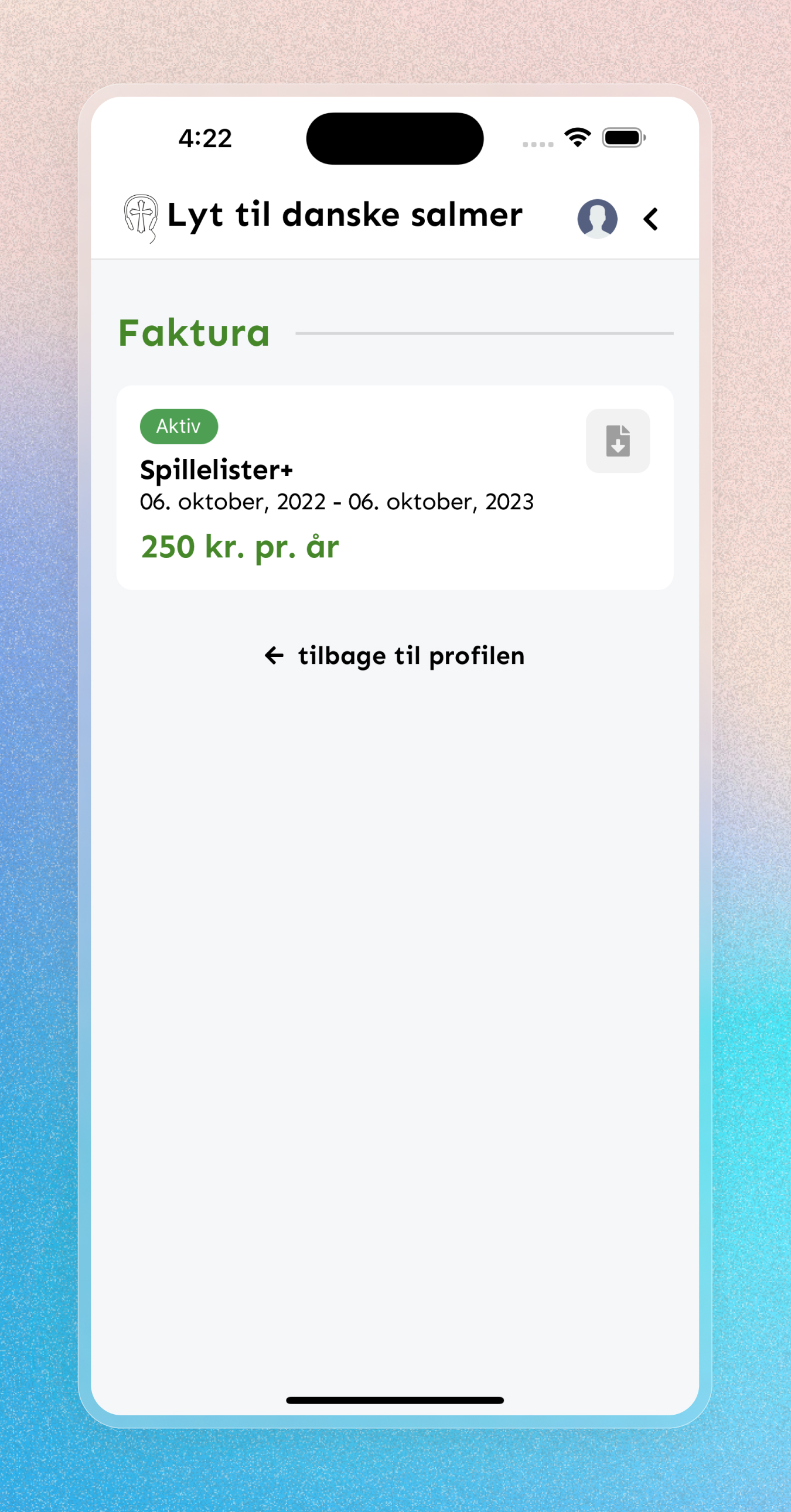
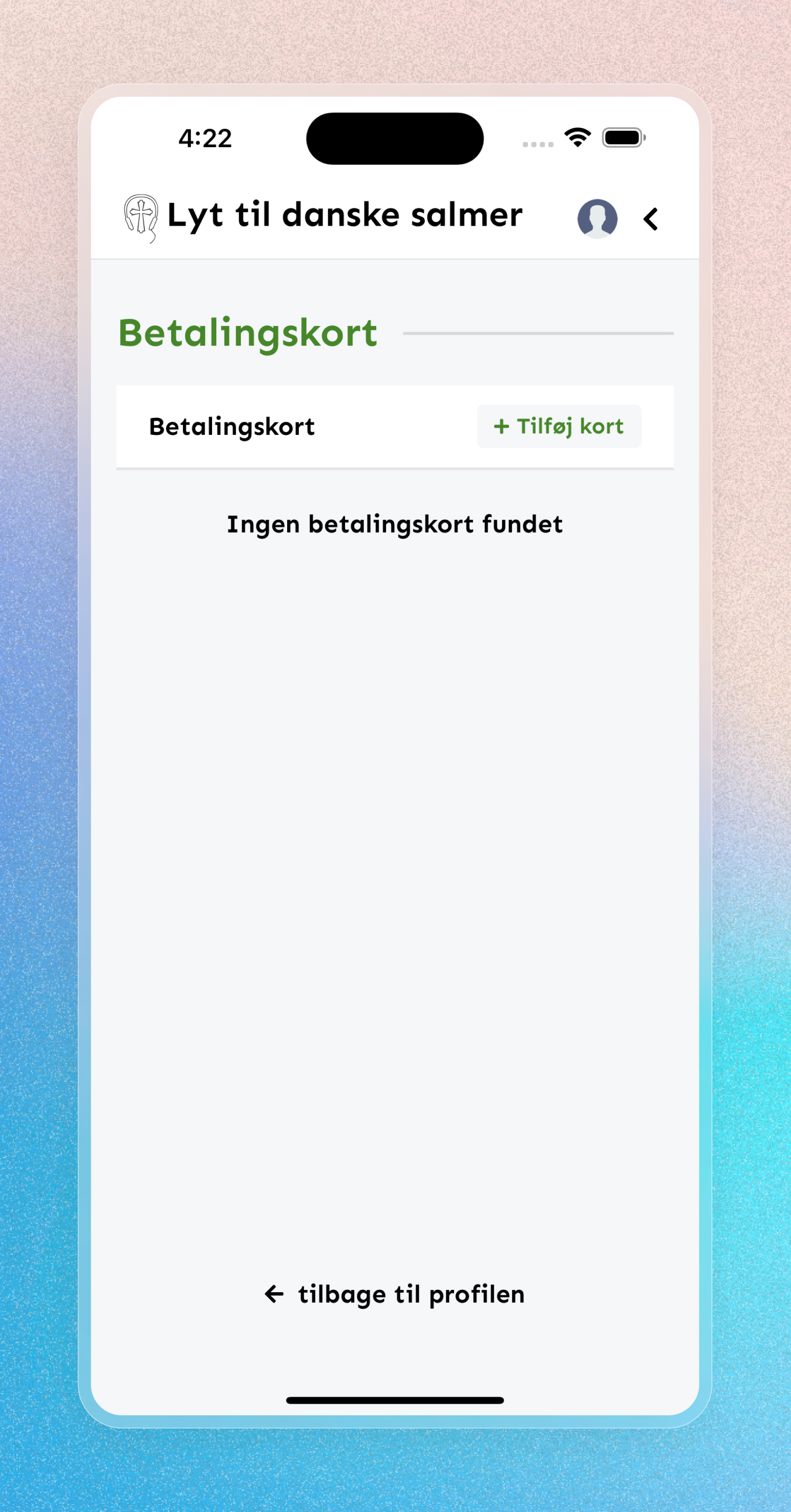
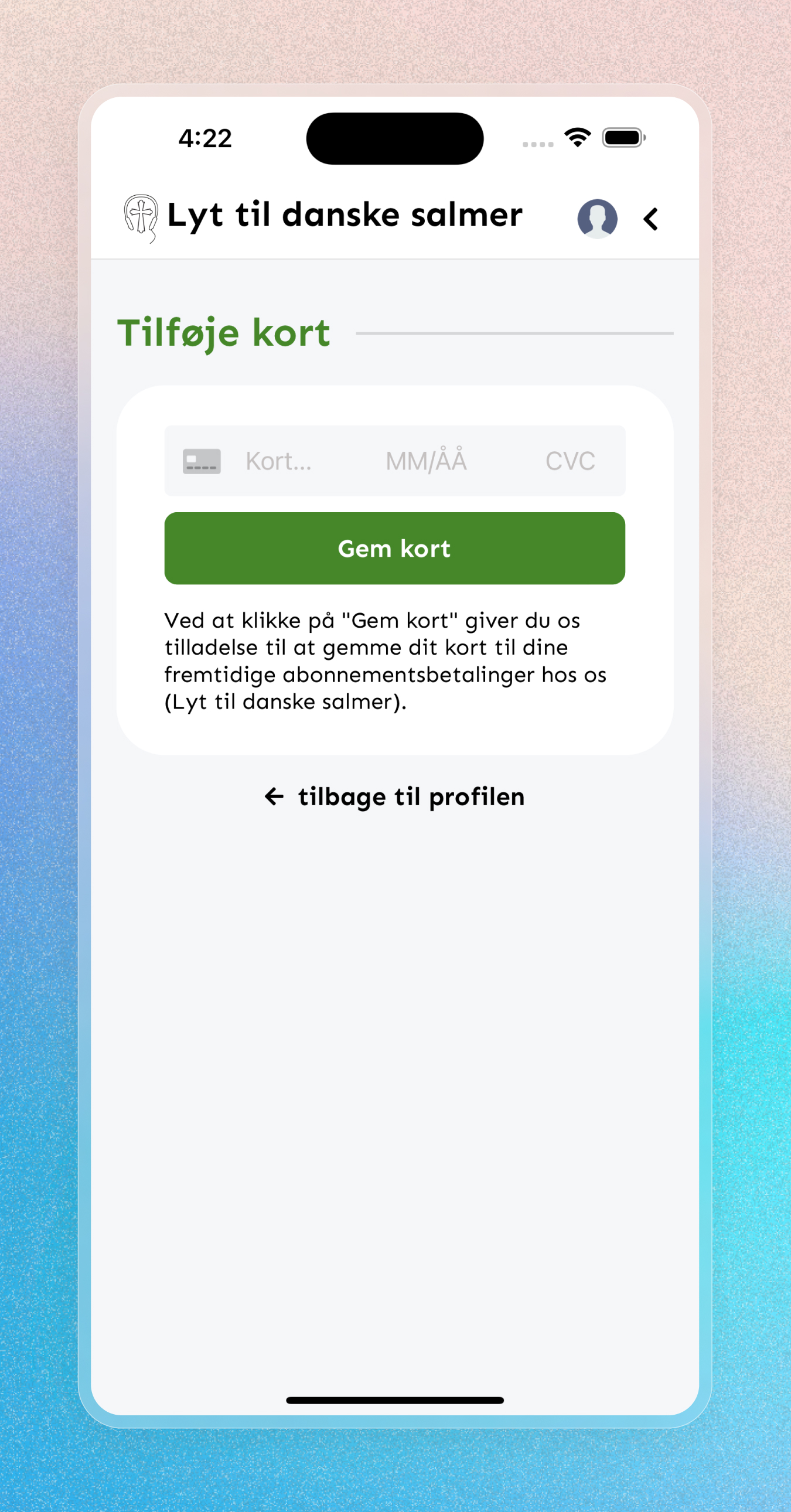
A user who subscribed on the web opens the product and gets complete access immediately. Yearly plan, access tier, renewal date — all pulled from the same backend. No separate in-app purchase flow, no duplicate subscription. The backend handles it, and the product just reflects the current state.
Playlists and Favourites
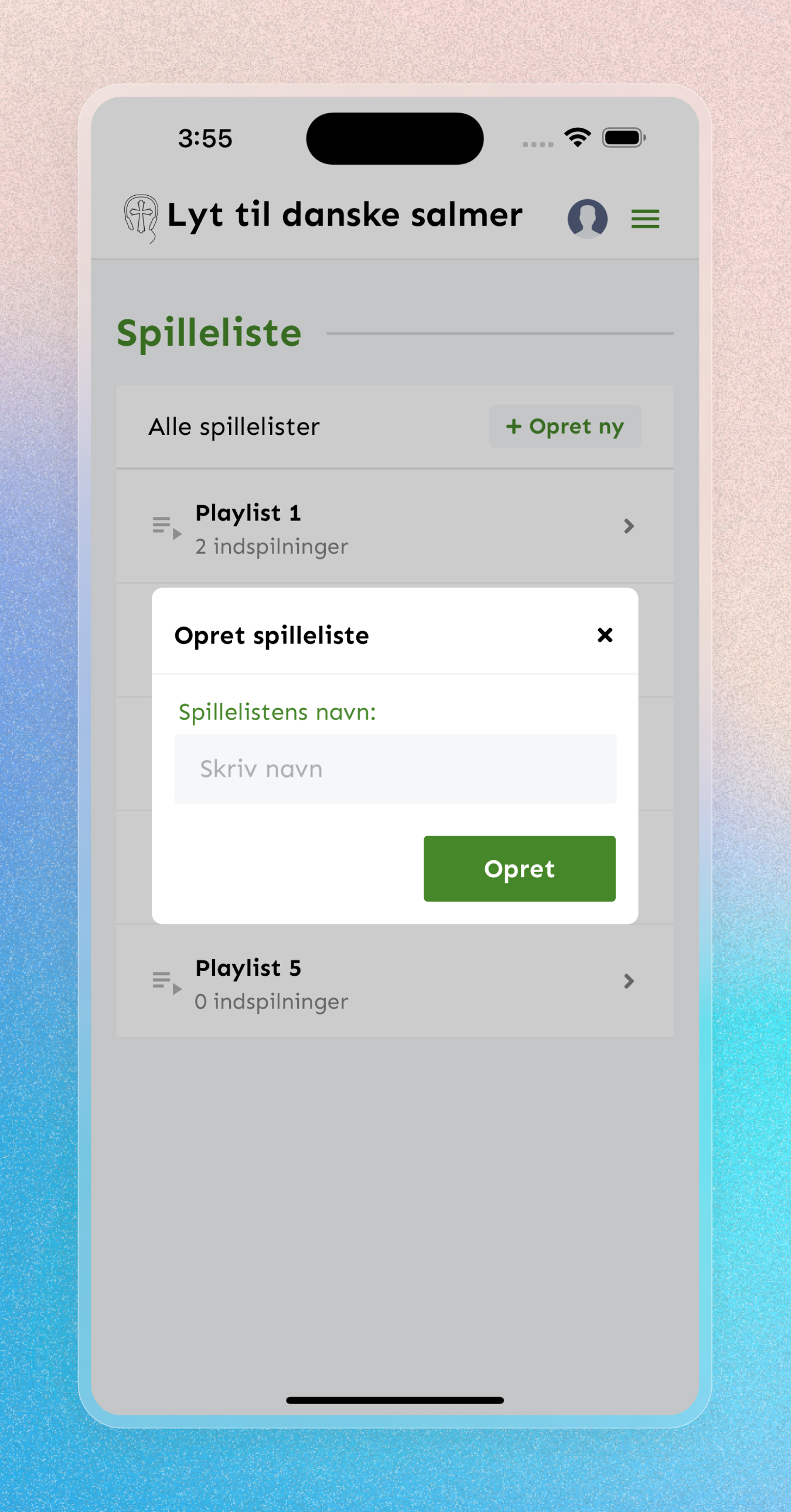
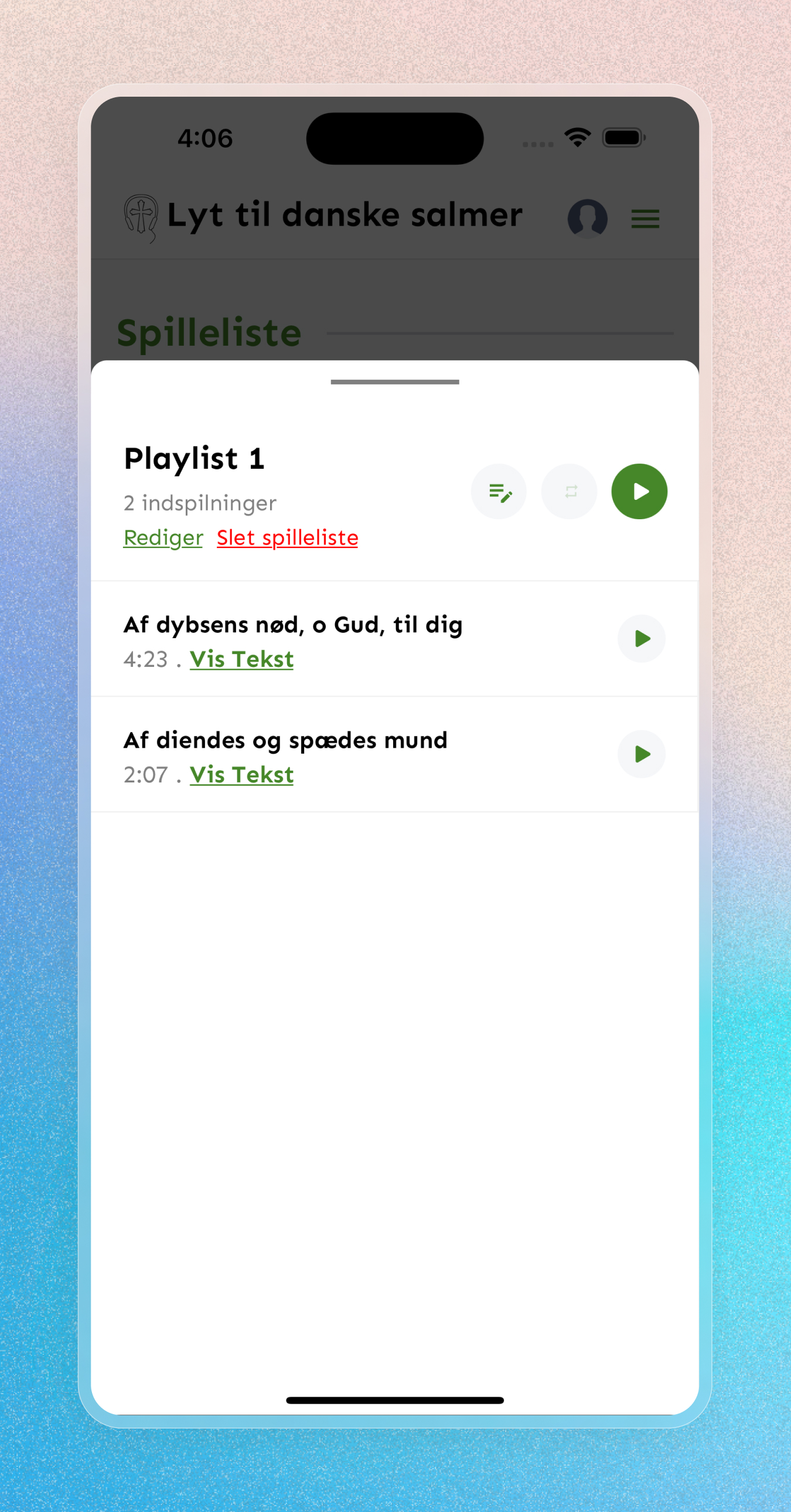
Playlists and favourites sync in real time. Build a playlist on the desktop on Thursday evening, open the product at church on Sunday and it's there. This cross-platform consistency was important to the client — the product isn't a separate experience, it's the same product on a different screen.
Lyrics While You Listen
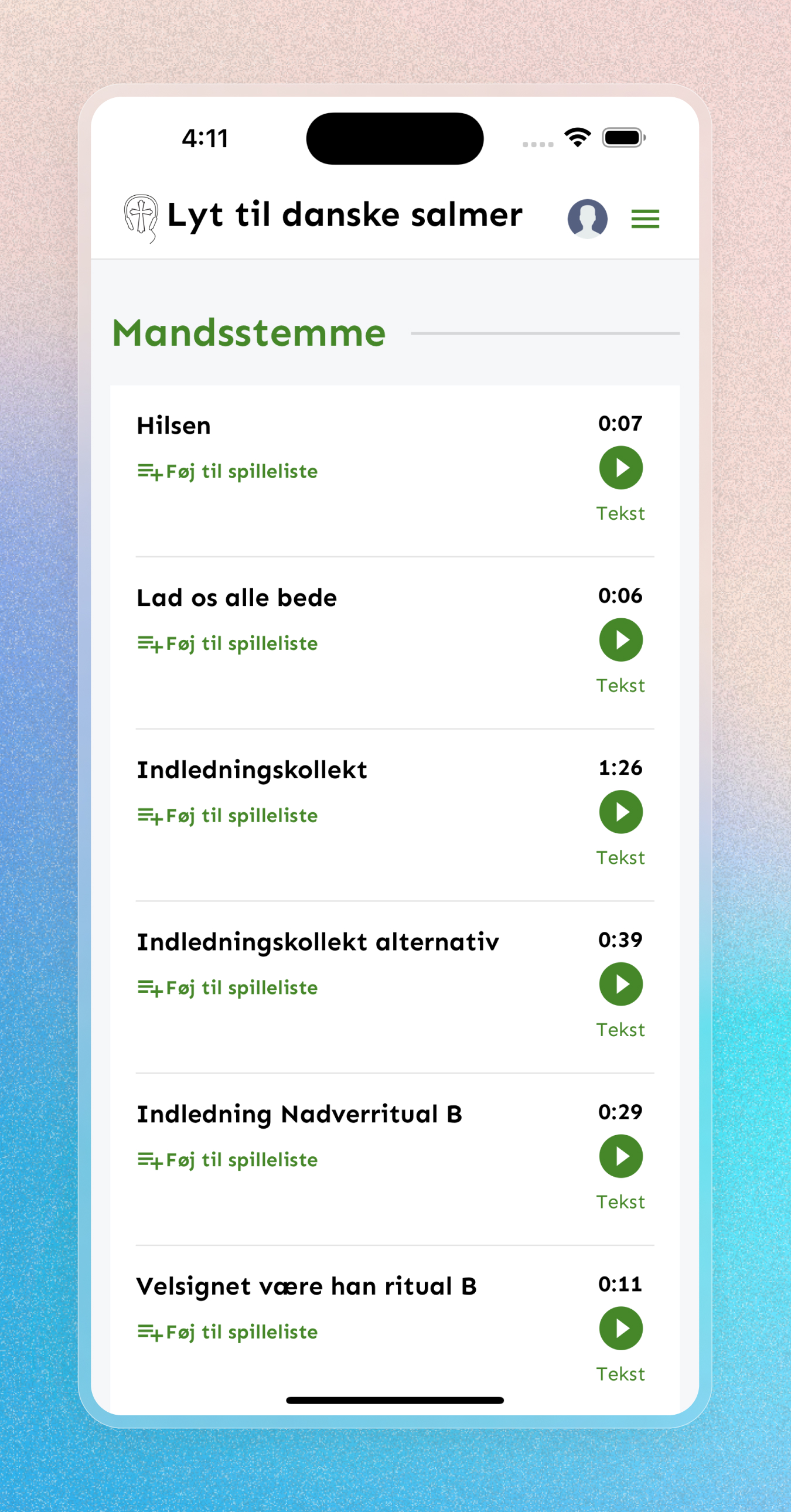
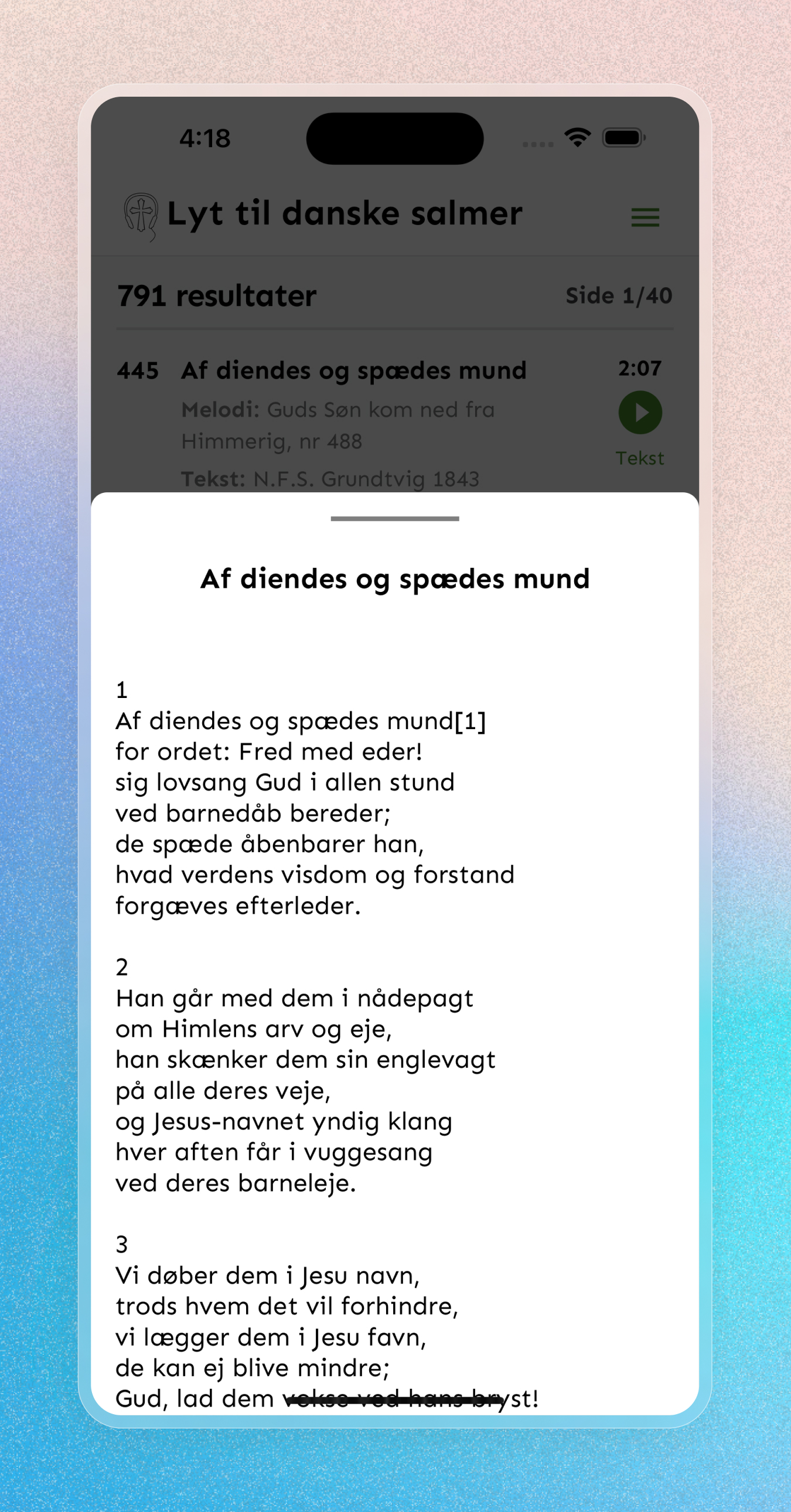
The product shows the complete lyrics of each hymn while the audio plays. On mobile this is especially useful — someone at a church service or choir rehearsal can hold their phone, follow the words, and not need a separate hymnal. It's one of those features that seems obvious once you think about who the users actually are.
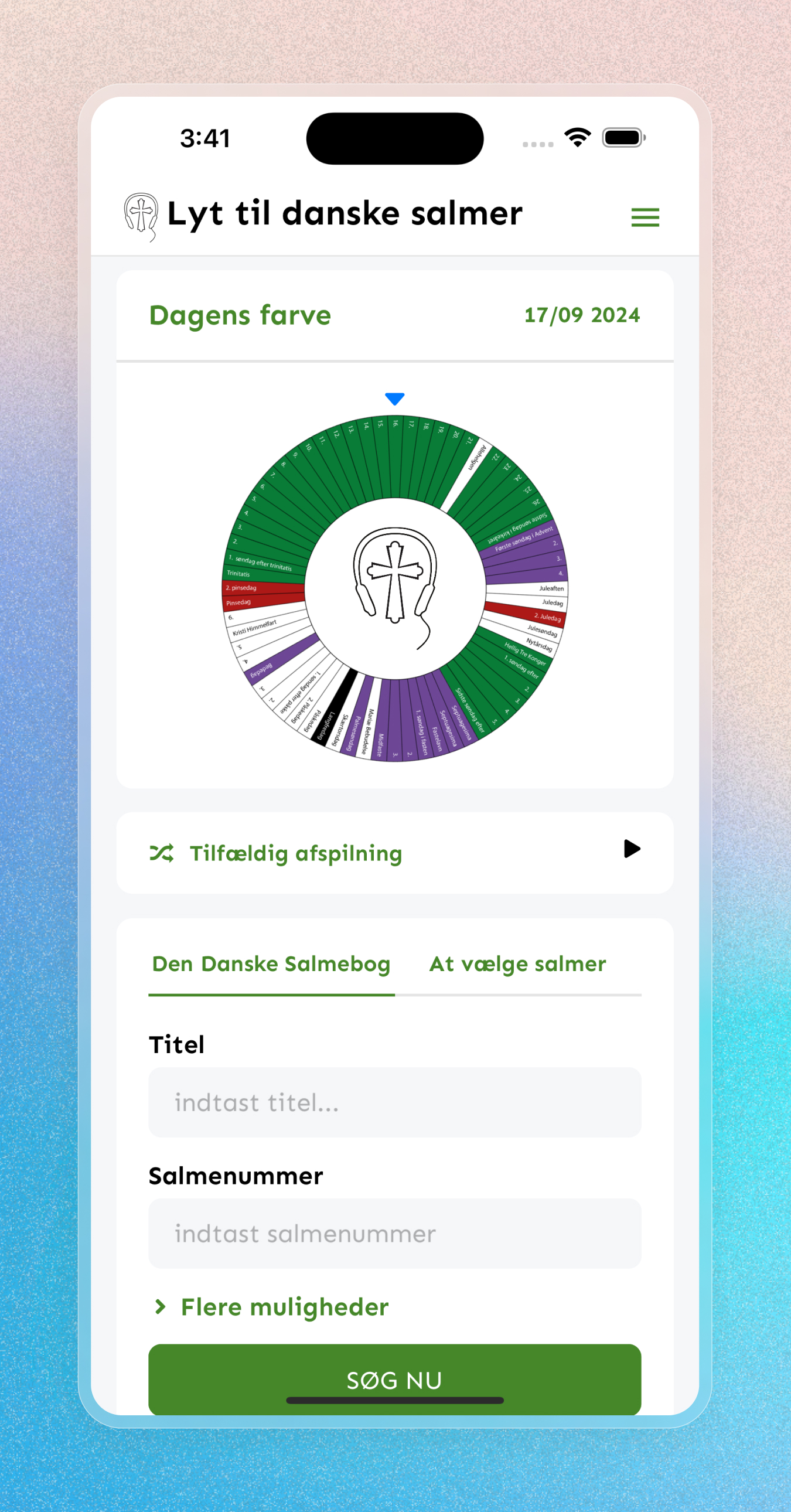
The Liturgical Year Wheel — UI That Reflects the Church Calendar
The same color system from the web platform carries over to mobile. The entire app changes its color scheme based on the current liturgical season: green for Ordinary Time, purple for Advent and Lent, white for Christmas and Easter, red for Pentecost and holy days, black on Good Friday. Every time someone opens the product, it looks exactly right for where the church year currently is.
Implementing this correctly on mobile meant the color logic had to be accurate, timezone-aware, and consistent with the web. It's a small thing technically — but for the users of this app, it's one of the details that makes it feel genuinely made for them.
What shipped
The web platform and mobile apps were both delivered within 4 months and a combined budget of $12,000. The client went from nothing to a fully working cross-platform streaming product — web, iOS, and Android — in one engagement. React Native made that budget realistic without compromising on how the apps actually feel to use.
Part of the broader product
The mobile apps were built alongside the web streaming platform — not as an afterthought, but as part of the same product delivery. Both share the same backend, the same subscriptions, and the same hymn library.
Frequently Asked Questions
Questions about the Salmer mobile apps,
answered clearly.
Questions about the work, scope, delivery context, and next steps.
Spotify and Apple Music are built for mass audiences — they'll never build something specific to Danish hymns, a regional music tradition, or a niche cultural community. If your content has a dedicated audience, a custom app built in React Native gives you complete control: your subscription model, your UI, your feature set. We planned, designed, and built exactly this for Lyt til Danske Salmer, including lyrics display and a UI that changes with the liturgical calendar.
Related Work
Similar case studies,
selected for context.
Continue exploring related work, with comparable product and delivery challenges.