MarketingInterface DesignsWeb Applications
Xora City
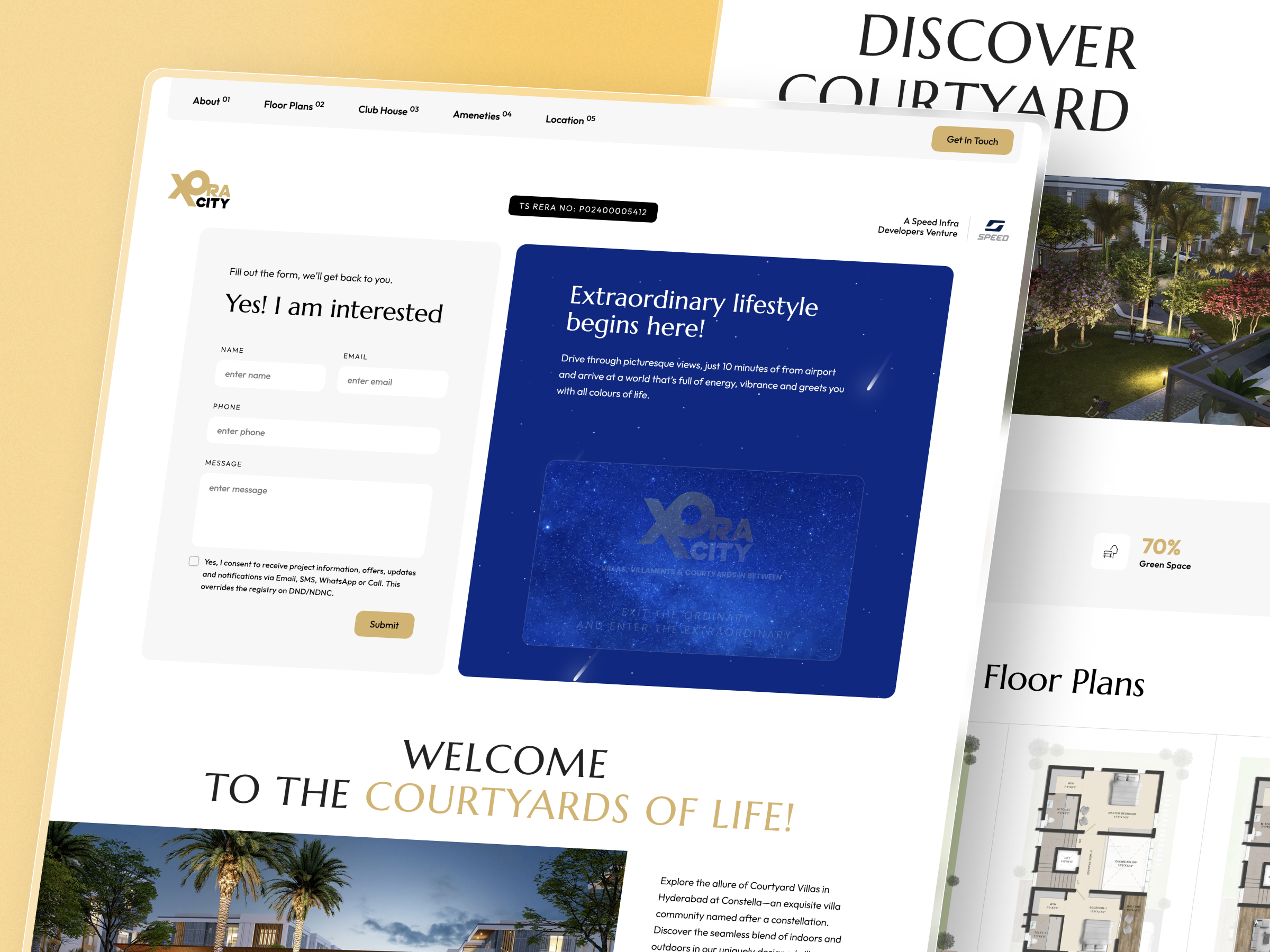
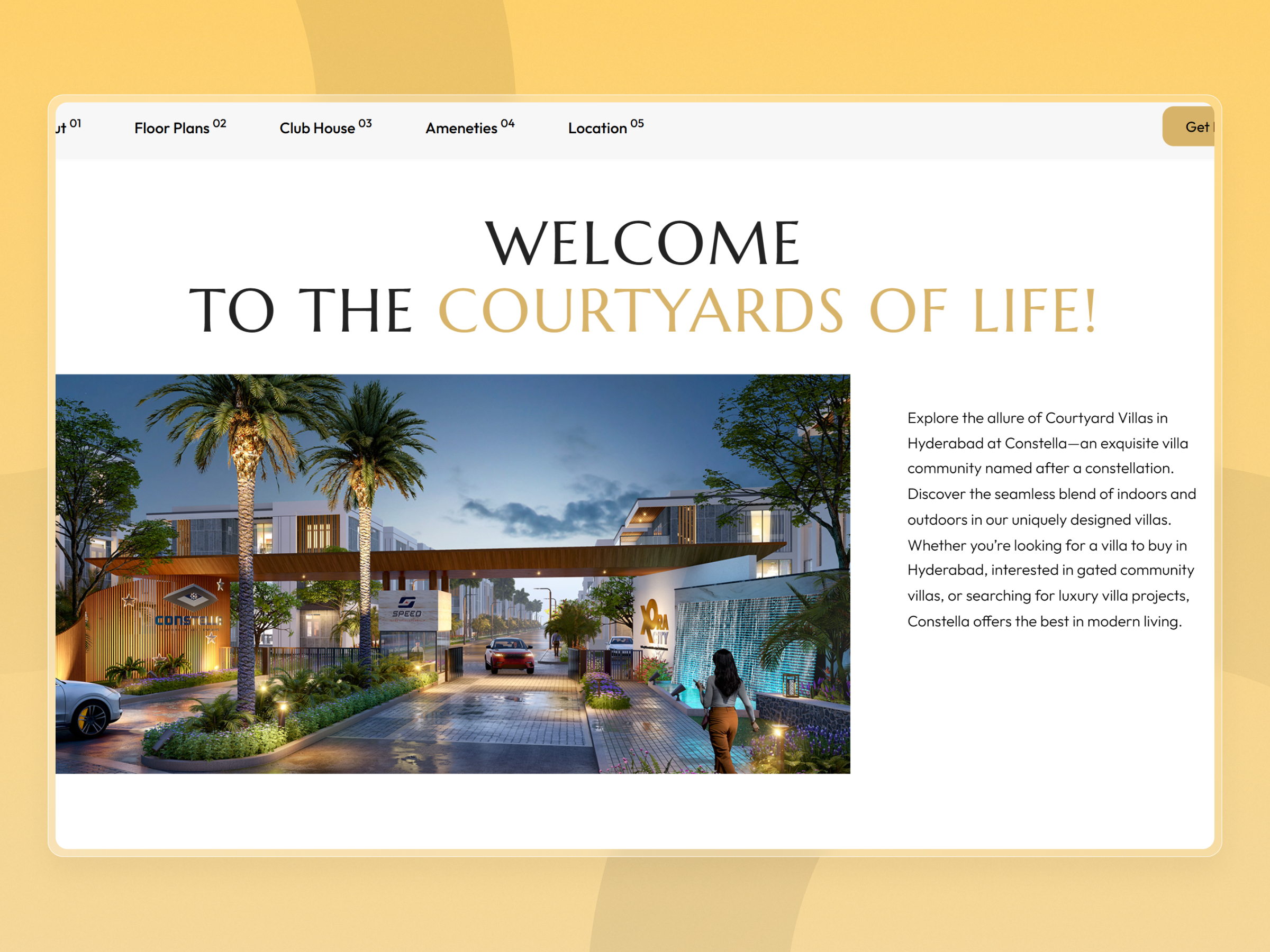
Xora City is a residential project website for Speed Infra, designed to present the development with stronger positioning and a more refined feel.
A project website built to support residential sales
Xora City is a residential project by Speed Infra, a Hyderabad-based real estate developer. The project needed a dedicated website that could present the development compellingly — its location advantages, amenities, and lifestyle proposition — and convert interested visitors into qualified leads for the sales team.
We planned, designed, and built the Xora City project website for ₹20,000. A focused marketing website designed to do one job well: turn a visitor's interest into an enquiry.

What the project needed to do
In Indian real estate, a project website is the primary digital sales tool. Before a buyer visits a site office, they've already looked up the project online — read about the amenities, checked the location, looked at the floor plans. The website needs to pre-sell the project convincingly enough that the right buyers show up ready to enquire seriously.
Speed Infra needed a website that presented Xora City clearly: what the project is, where it's located, what it offers, and why someone should consider it. Then a clear, low-friction path to get in touch.

How we approached it
We planned, designed, and built the Xora City website in Next.js. The structure follows the logic a property buyer uses: understand the project, evaluate the location, see what's included, then decide to enquire. Each section earns the next one.
Overview and direction
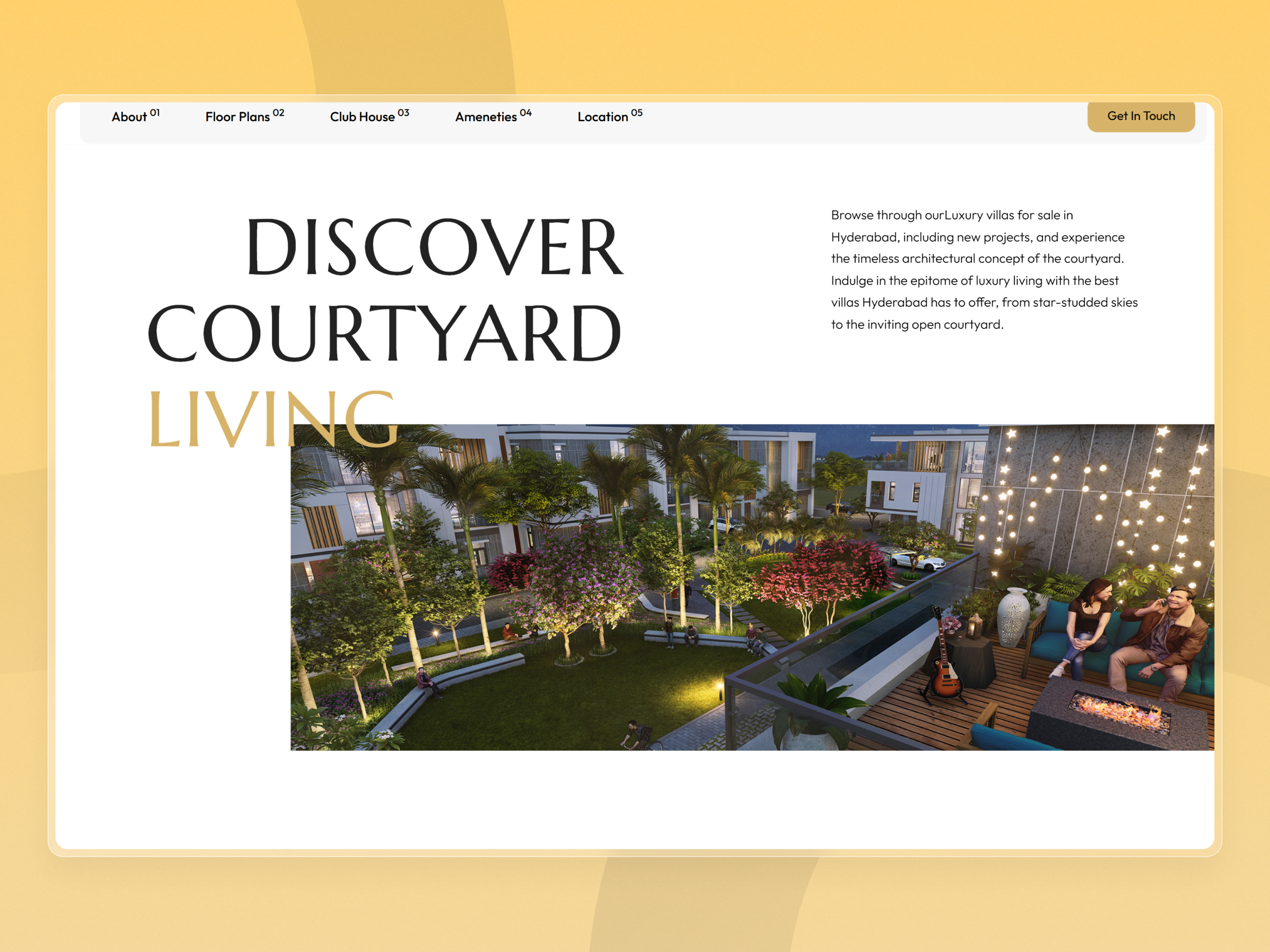
The opening section communicates what Xora City is and who it's for — the kind of living it offers and where it sits in the Hyderabad residential market. For a new-launch project, setting context quickly is important. Buyers are comparing multiple projects; a clear positioning statement keeps them reading.
Amenities and Features
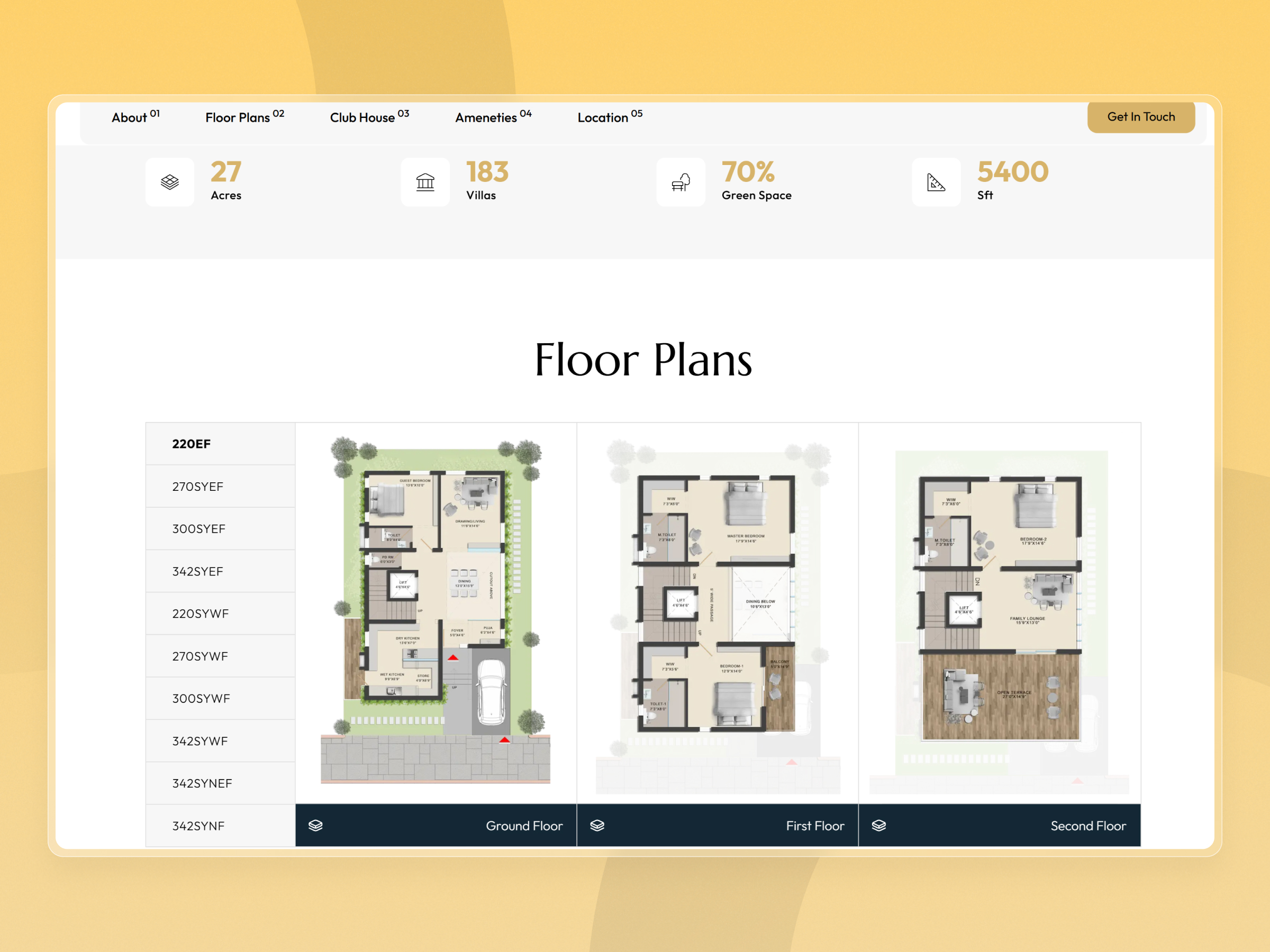
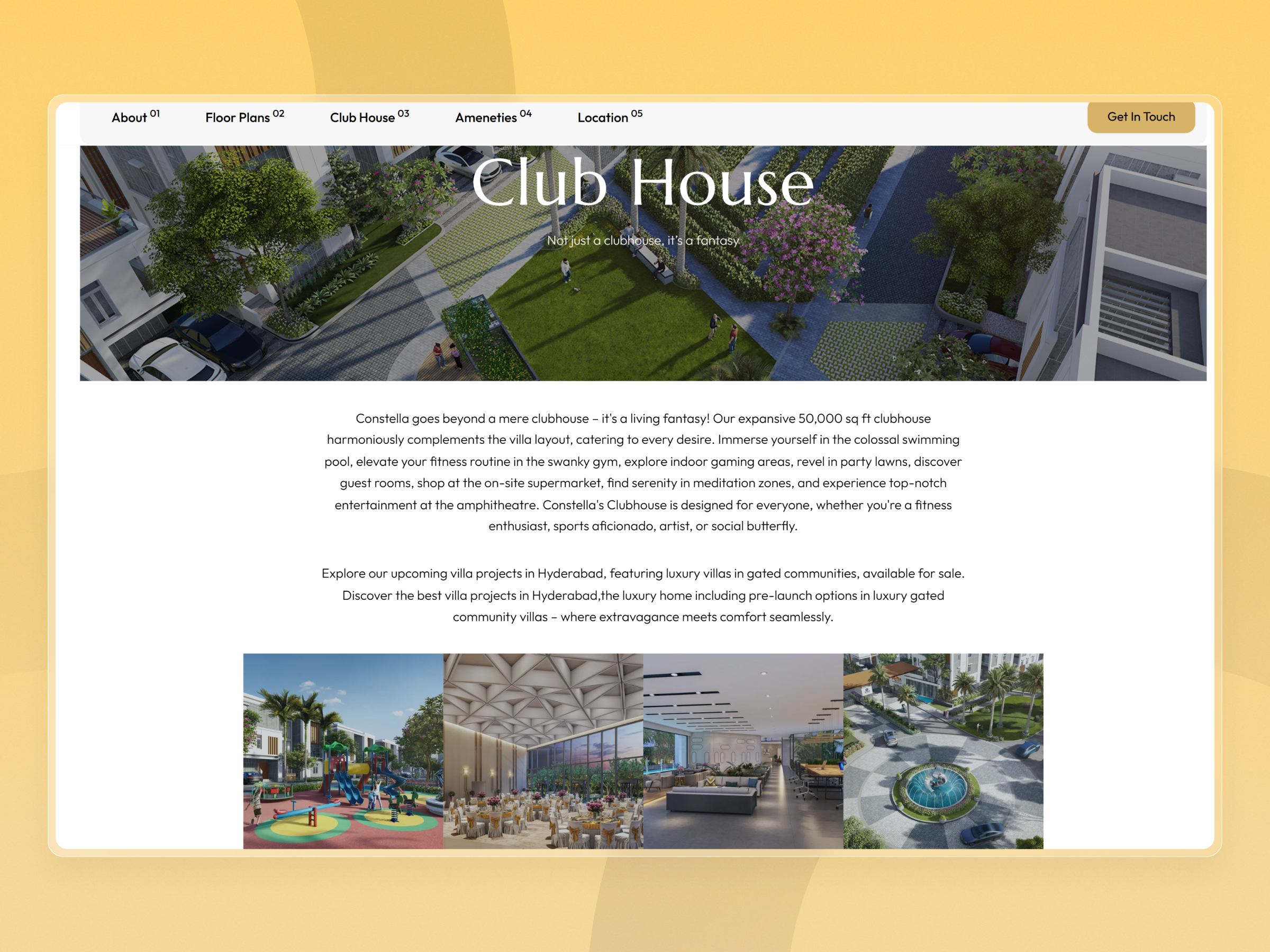
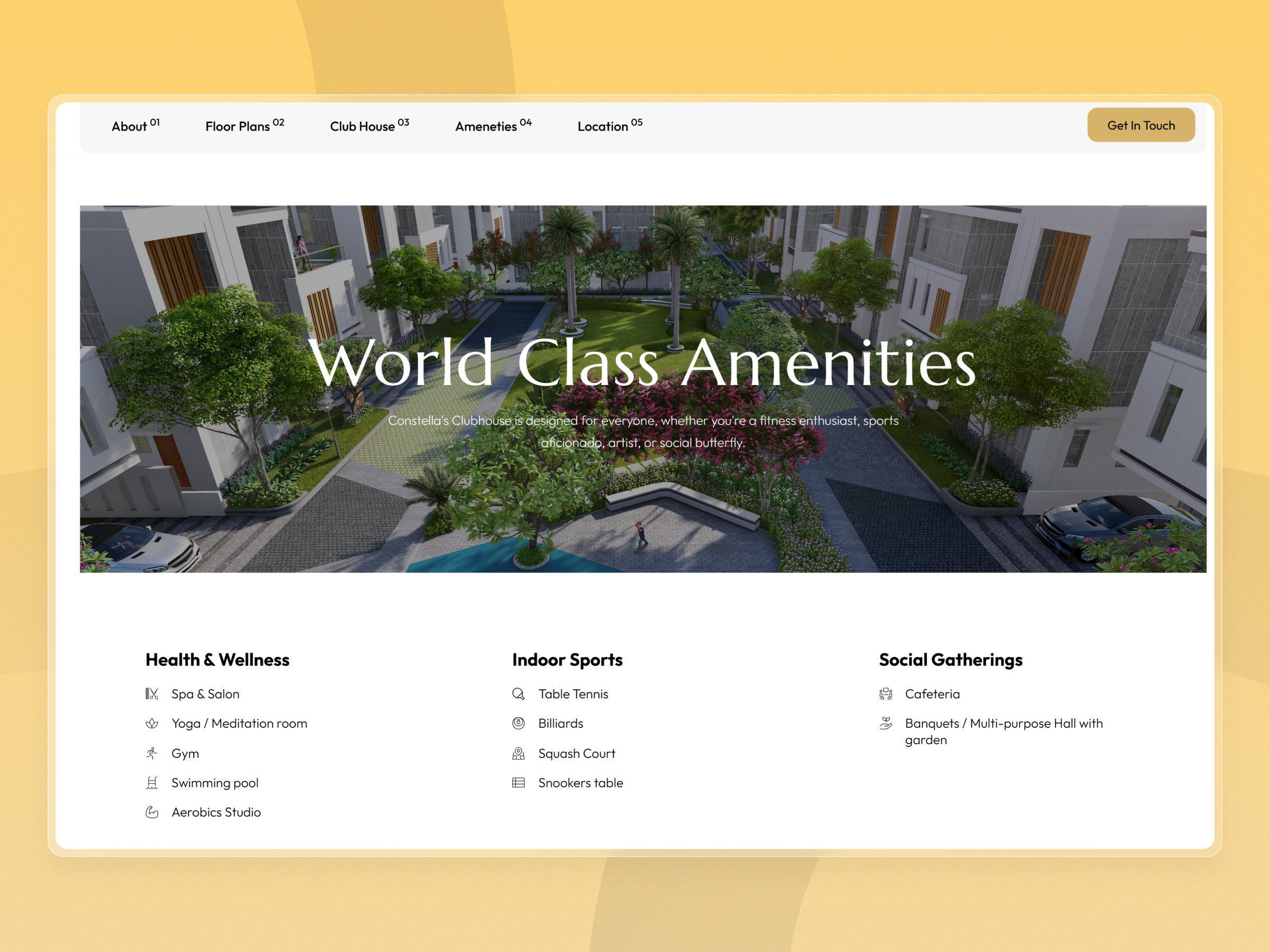
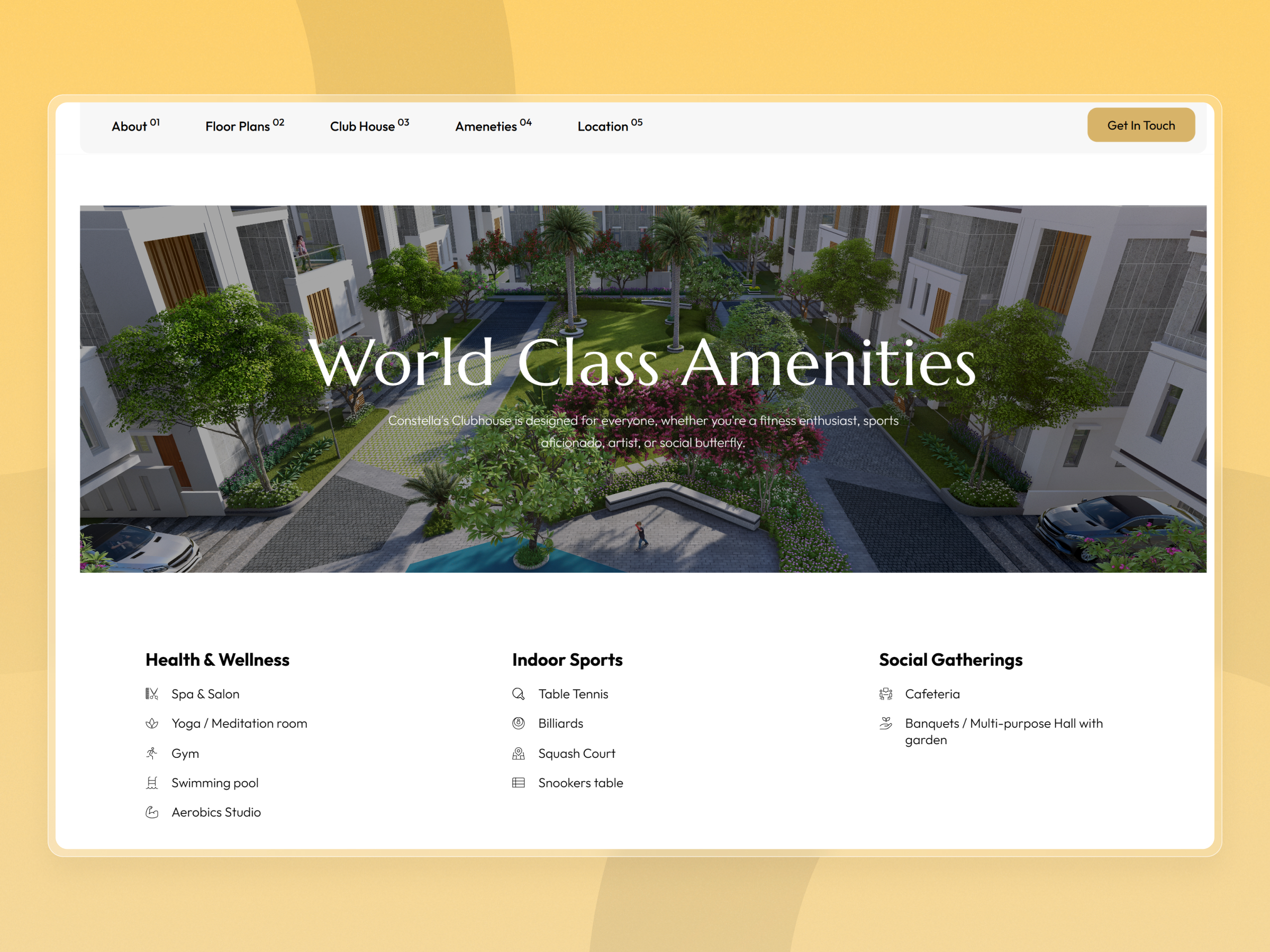
The amenities section lays out what the project includes — common areas, facilities, and the features that justify the investment. Presented visually, not as a bulleted list. Real estate buyers respond to how things look and feel, not just what's on a spec sheet.
Location and Connectivity
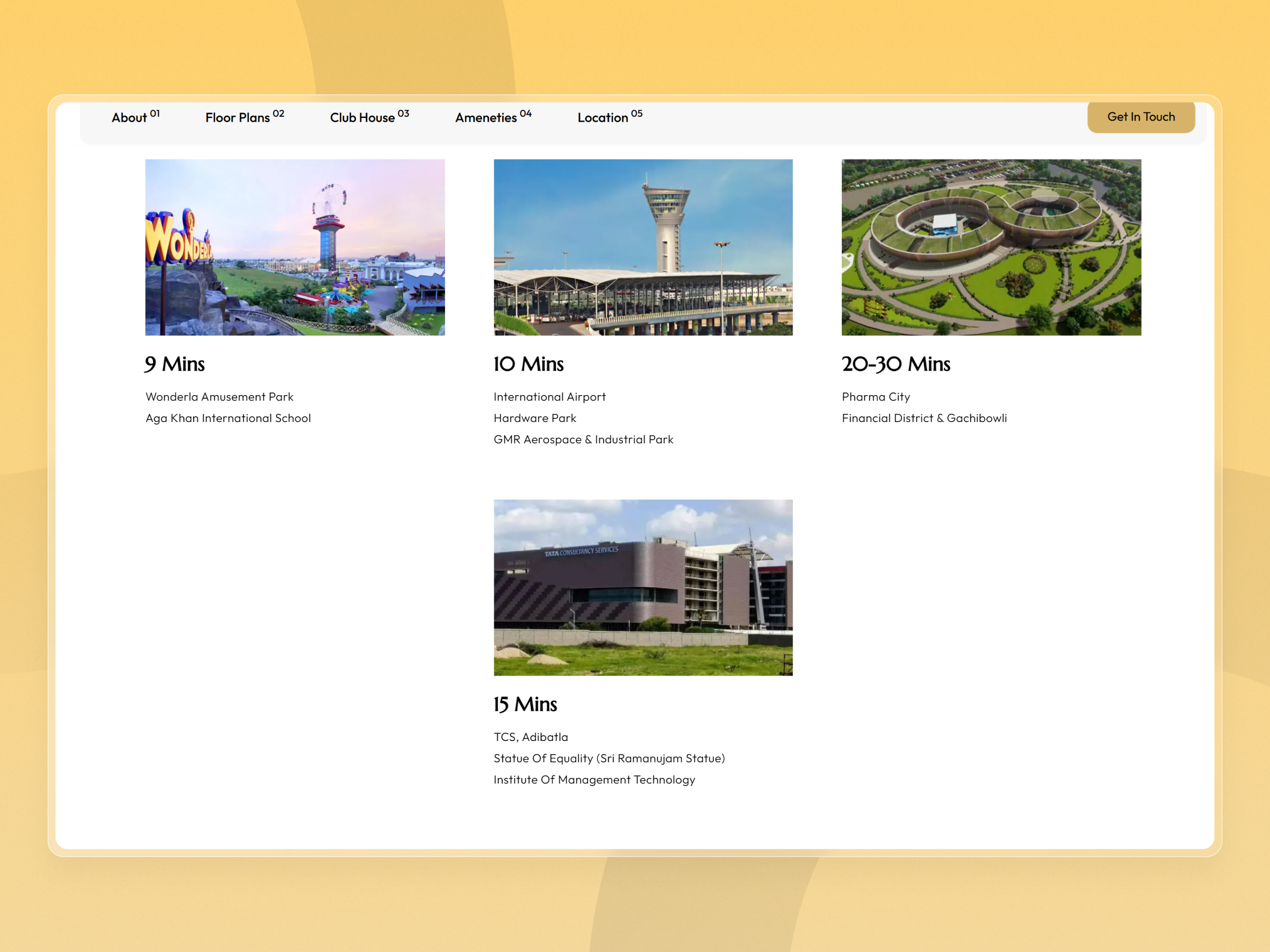
Location is one of the top decision factors in residential real estate. The location section covers what's nearby — schools, hospitals, commercial hubs, transit — and how well Xora City is connected within Hyderabad. Buyers want to know they're not trading convenience for space.
Lead Capture
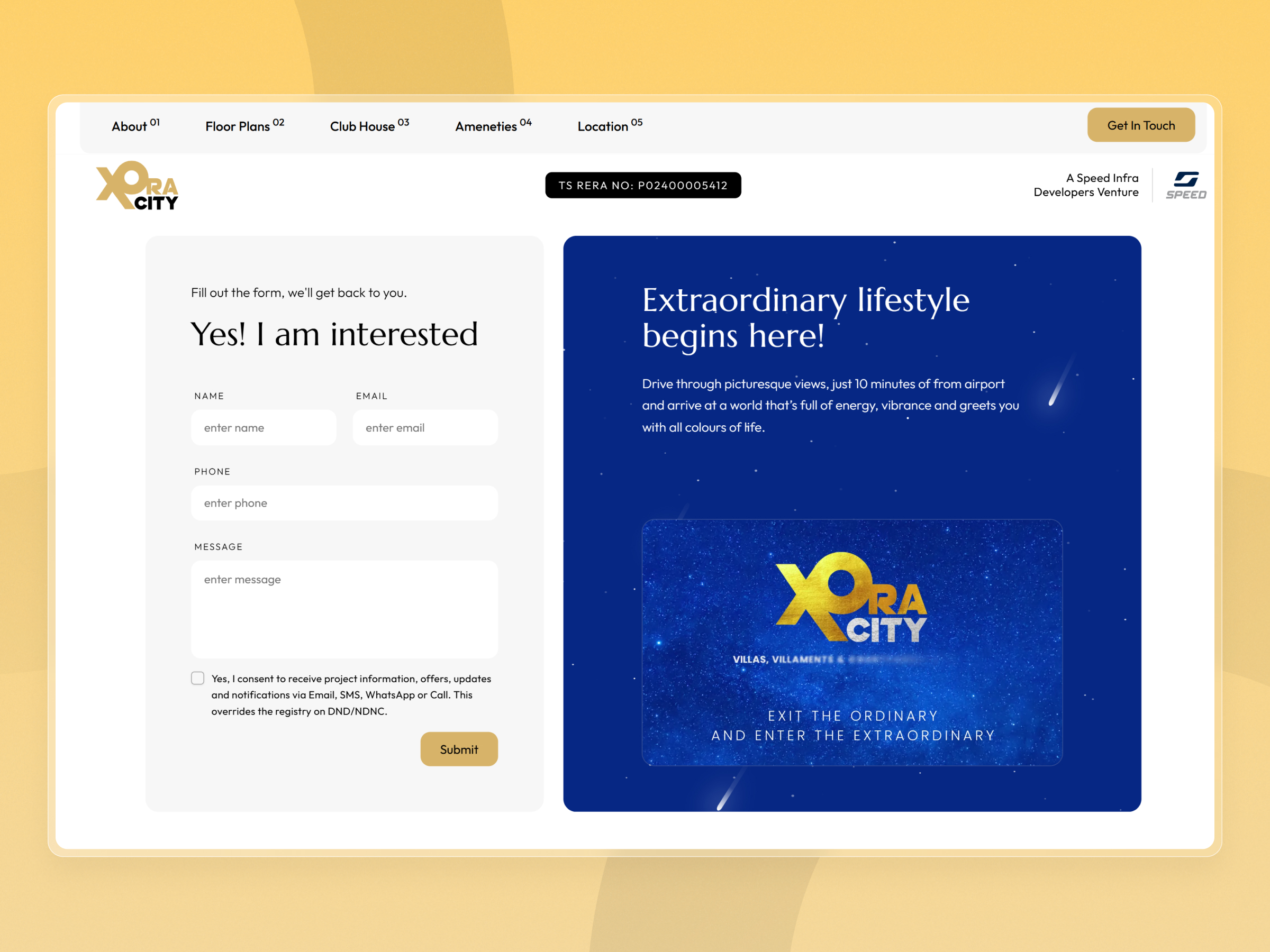
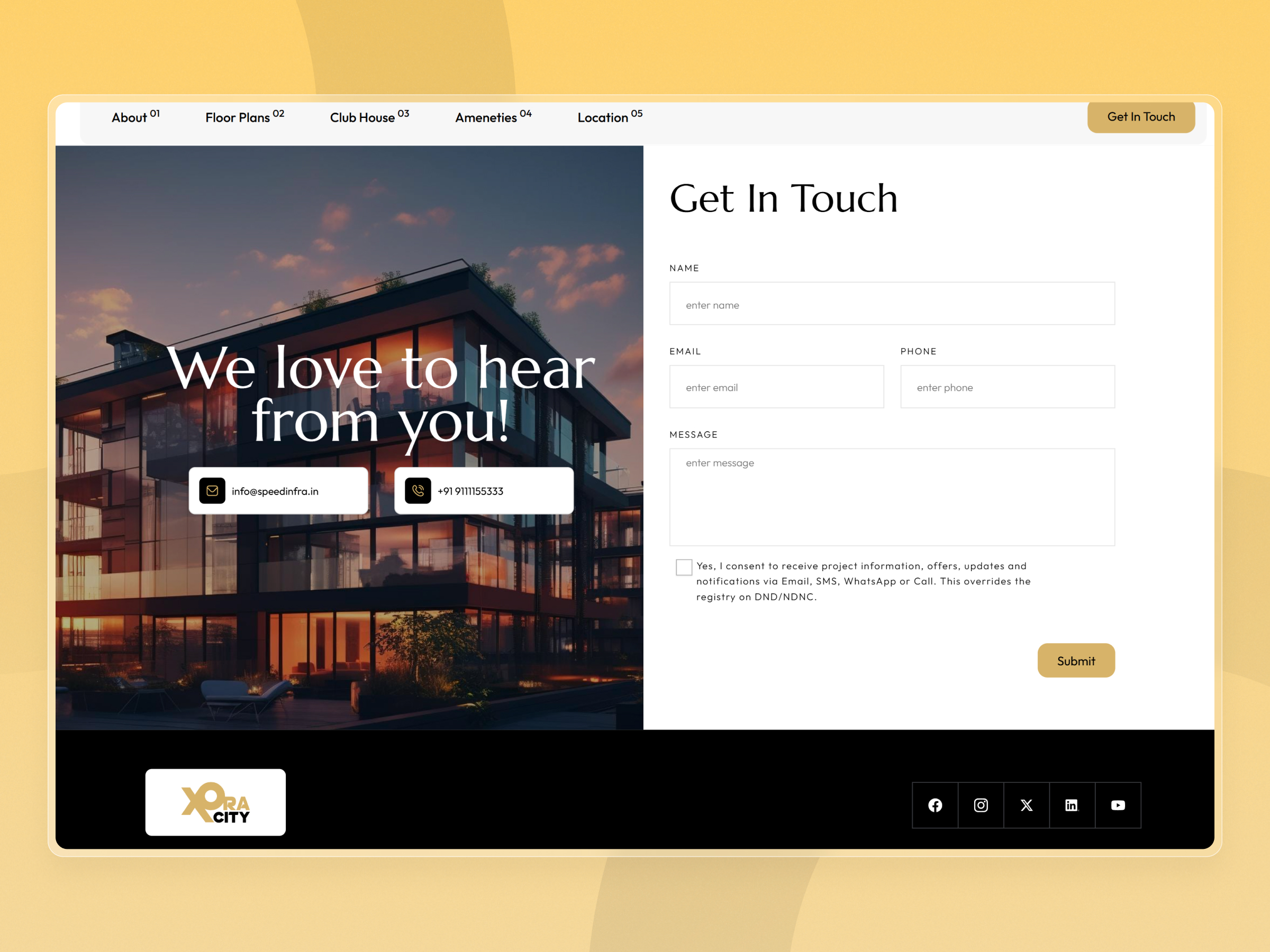
Every section feeds toward the same outcome: a visitor filling in their details and asking to be contacted. The enquiry form is present throughout the page, not buried at the bottom. We kept it short — name, number, a question or preference. Fewer fields means more completions.
What shipped
Delivered for ₹20,000. Speed Infra's Xora City project has a dedicated marketing website that presents the project professionally, answers the questions buyers ask before they call, and gives the sales team a steady stream of enquiries from visitors who already know what they're interested in.
Frequently Asked Questions
Questions about real estate project websites,
answered clearly.
Questions about the work, scope, delivery context, and next steps.
The Xora City project website — a focused marketing website for a residential development in Hyderabad, with project overview, amenities showcase, location details, and lead capture — was delivered for ₹20,000. Cost for a real estate project website depends on scope: how many sections, whether there are floor plan explorers or 3D visualisations, whether a backend is needed for enquiry management, and the complexity of the design. A focused project marketing website with a clear conversion brief can ship at this range.
Related Work
Similar case studies,
selected for context.
Continue exploring related work, with comparable product and delivery challenges.