Interface DesignsWeb Applications
DigitalXScale
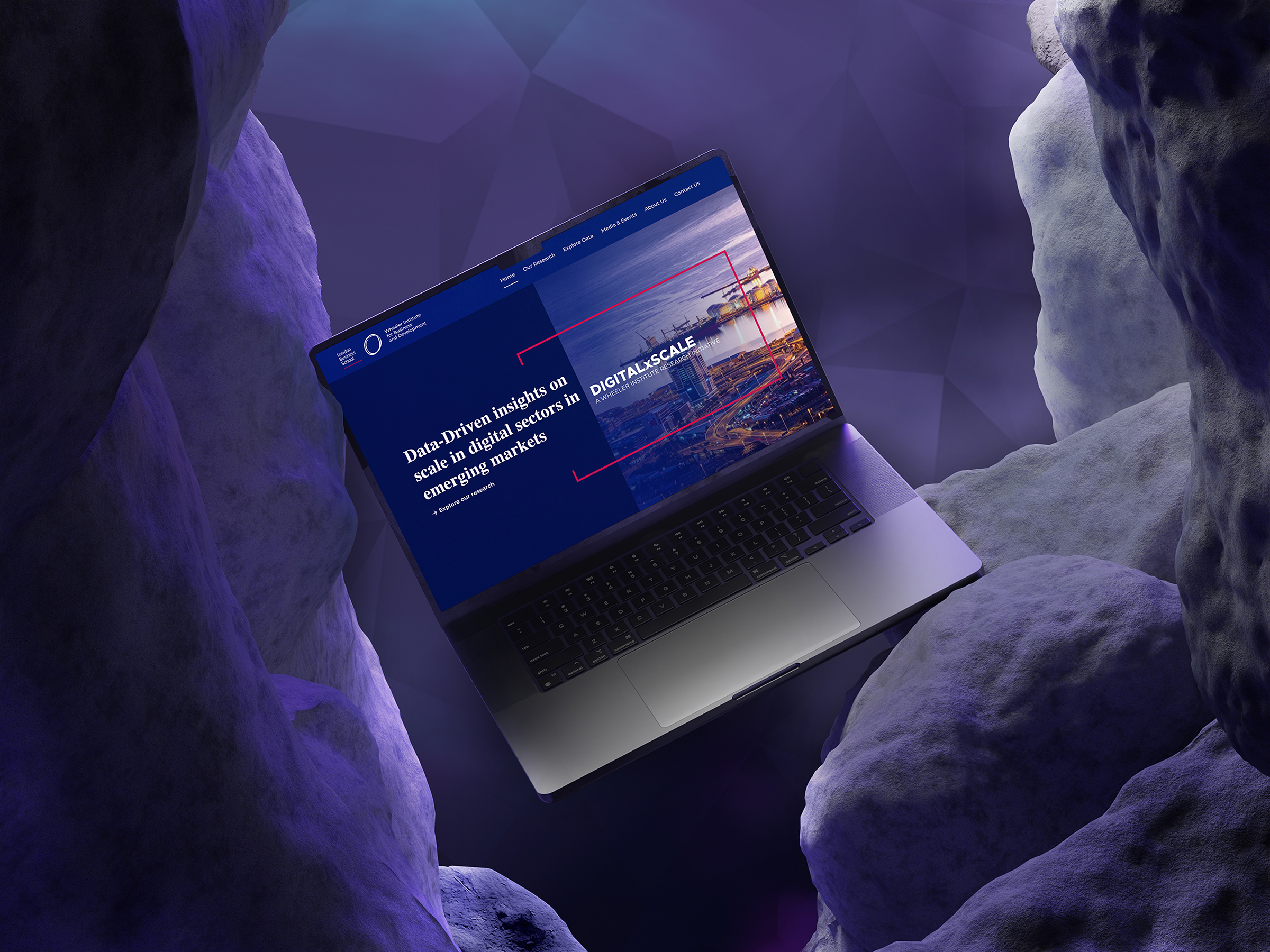
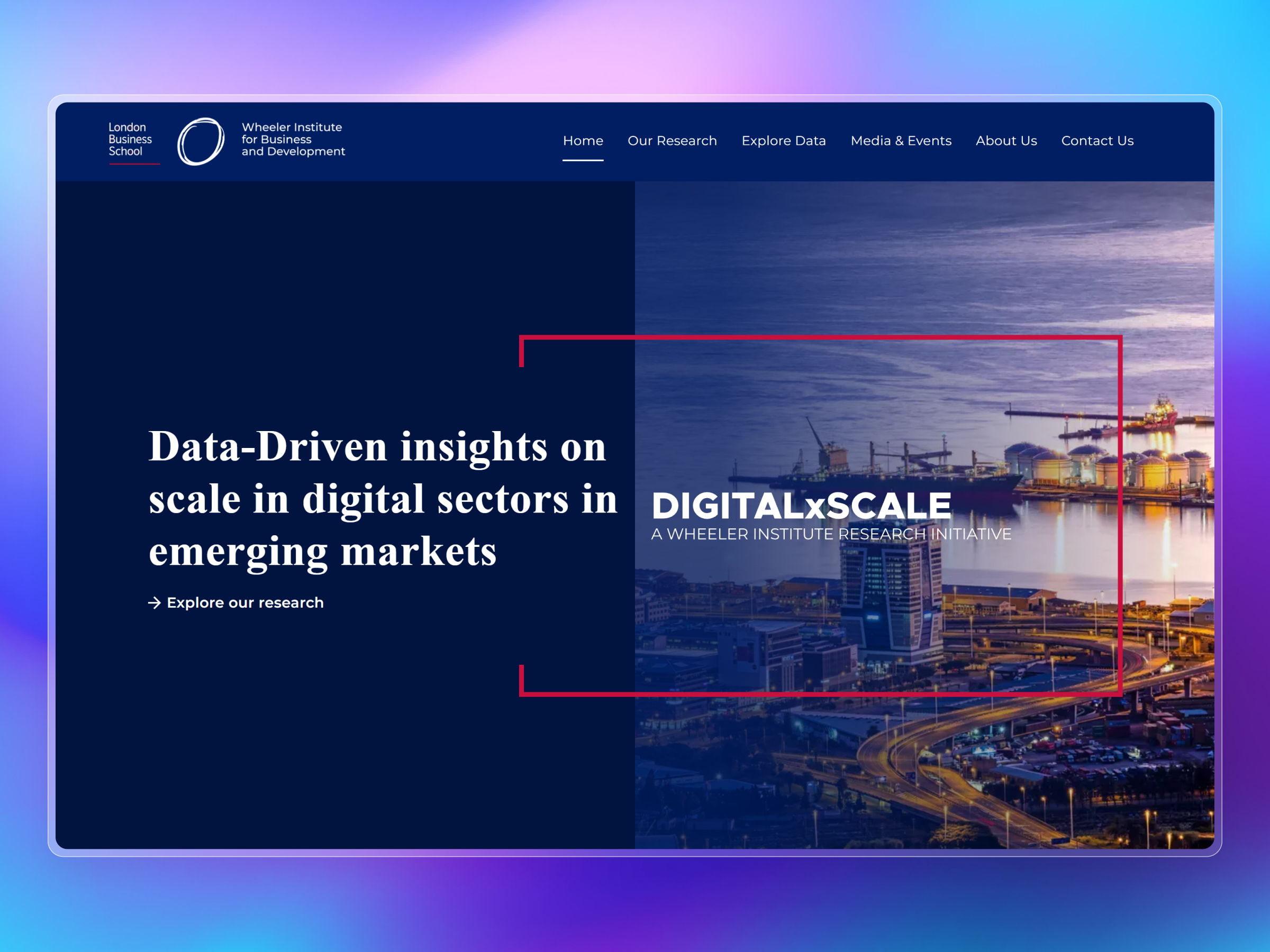
DigitalXScale is a research-led website for the Wheeler Institute at London Business School, designed to present scale insights with clarity and authority.
A research platform built for publishing and control
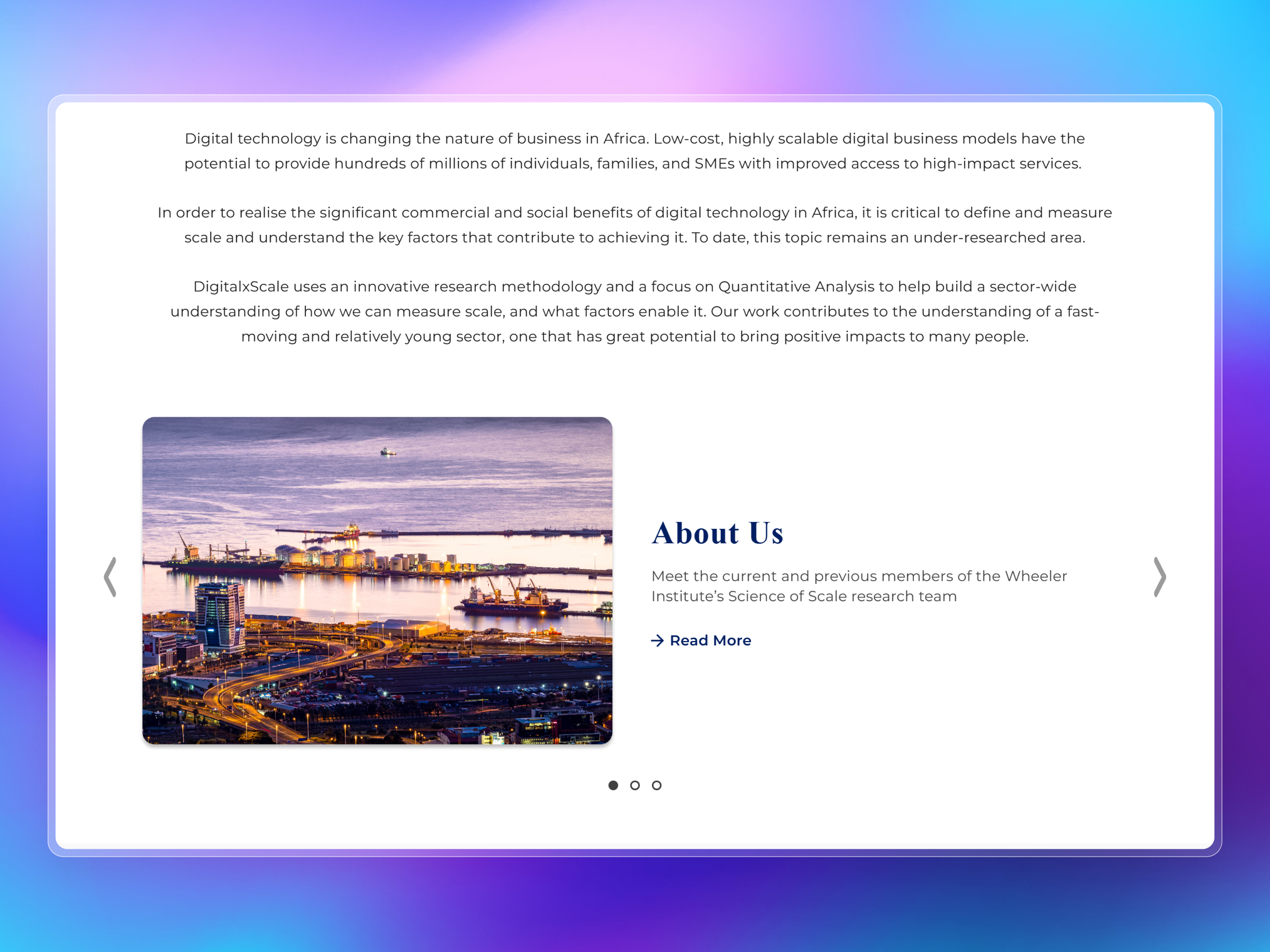
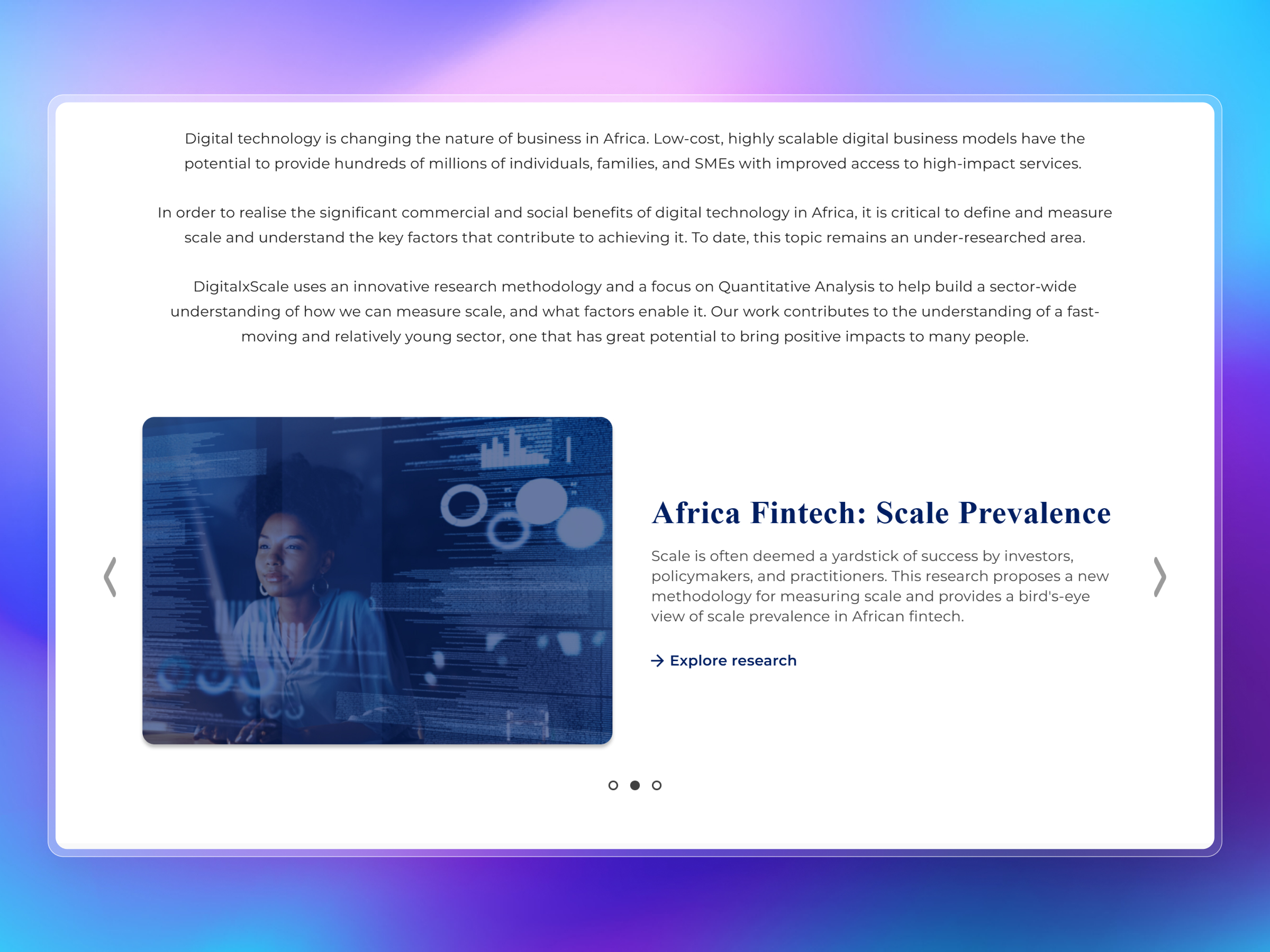
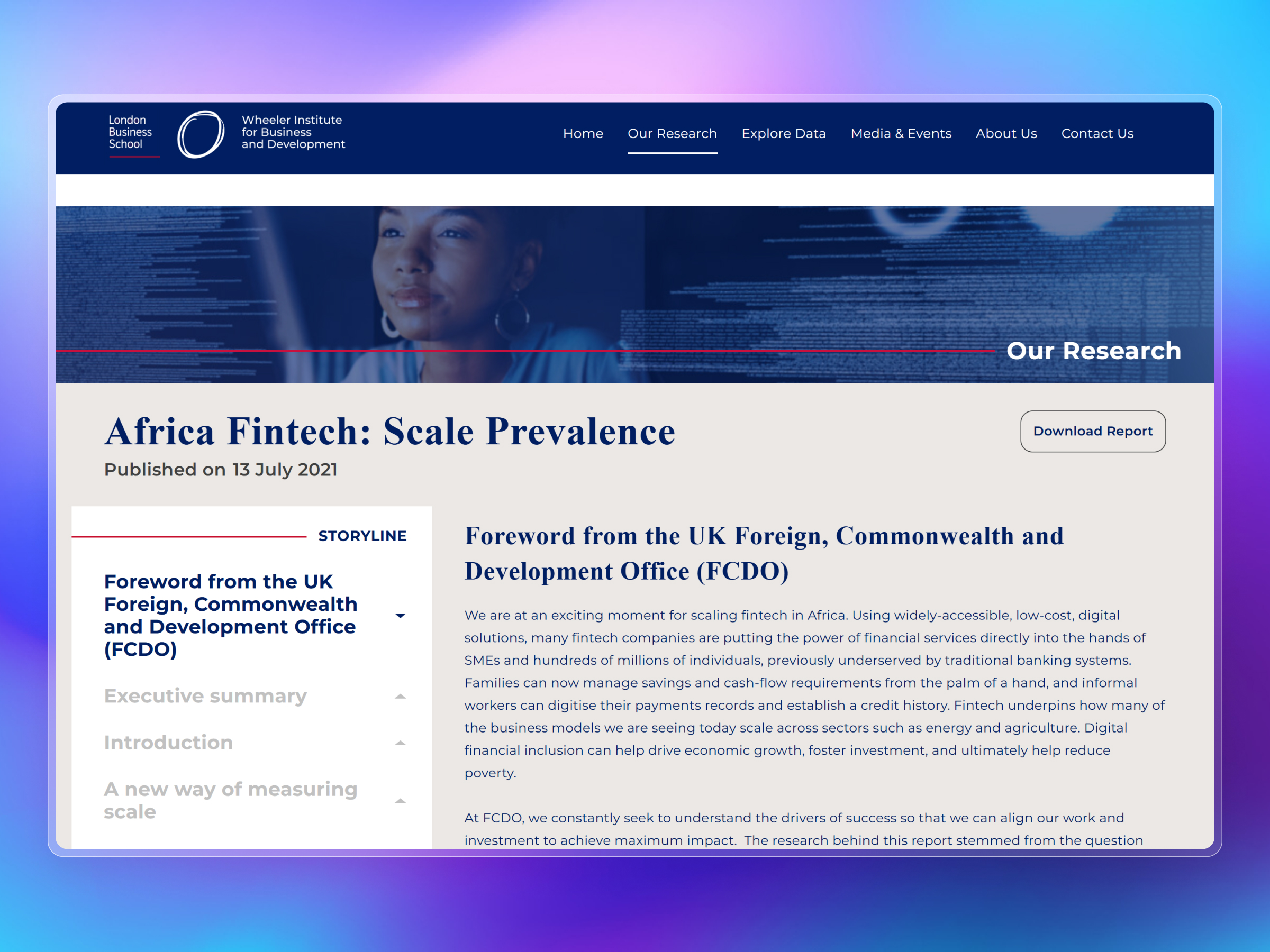
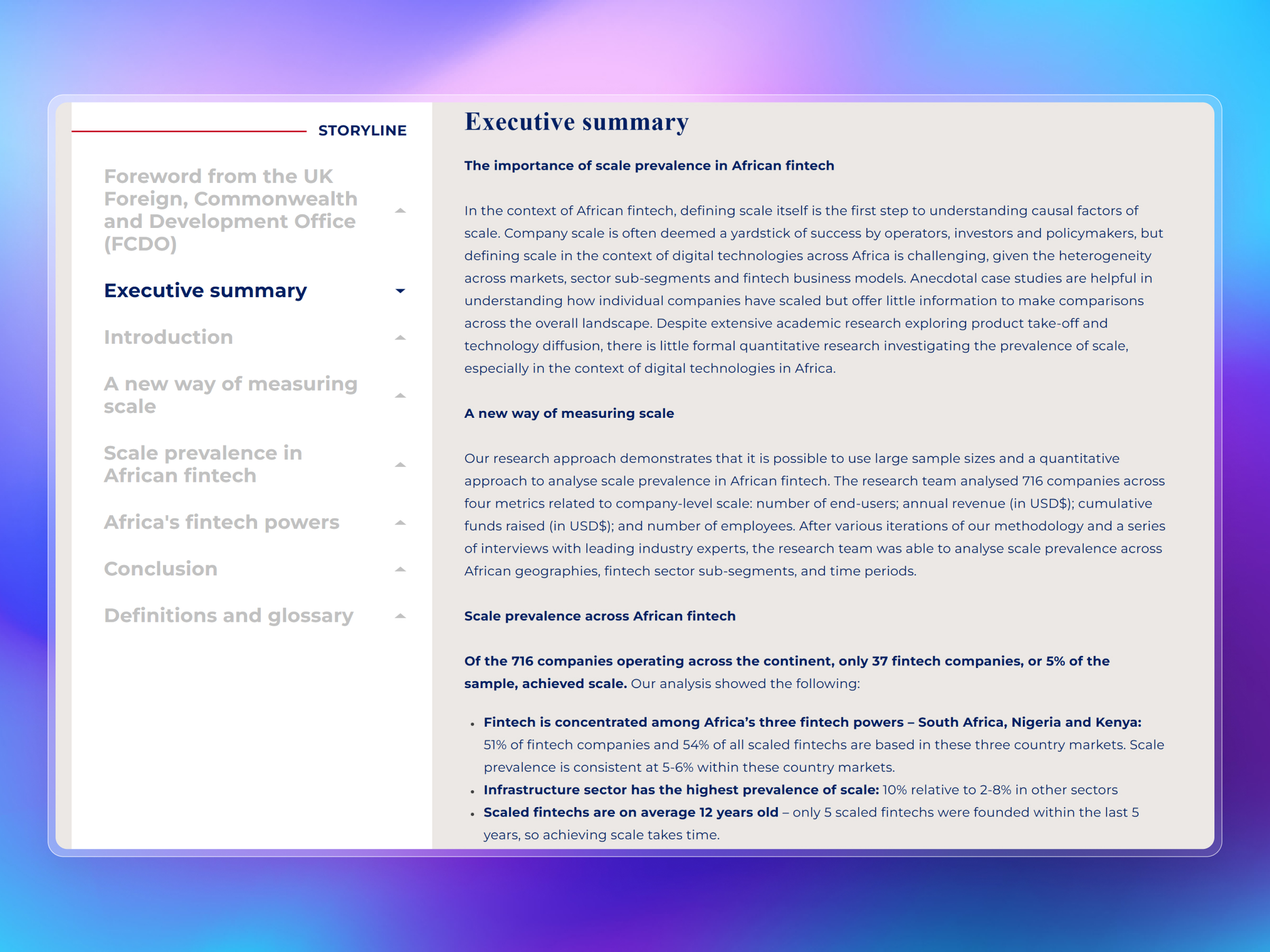
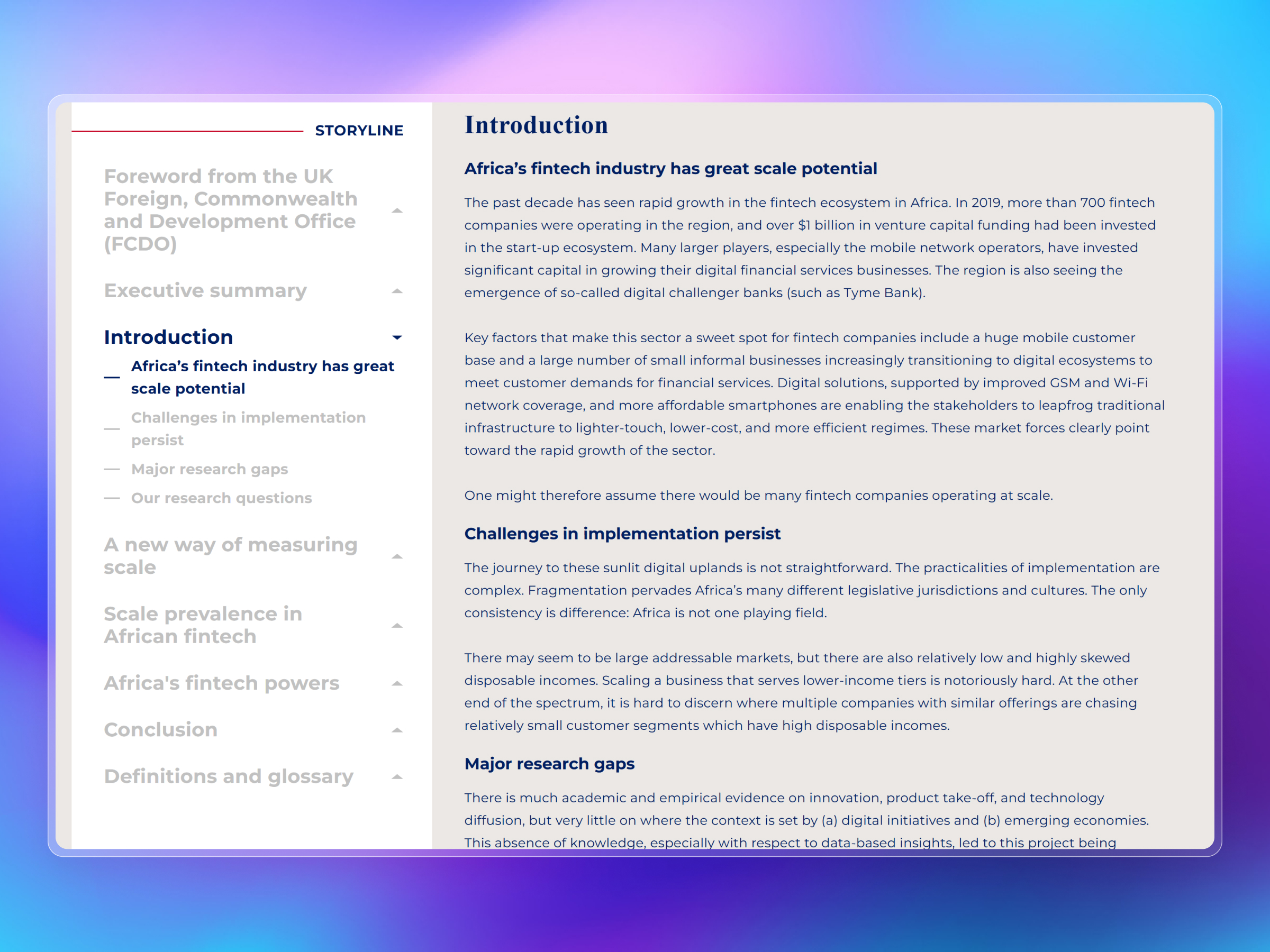
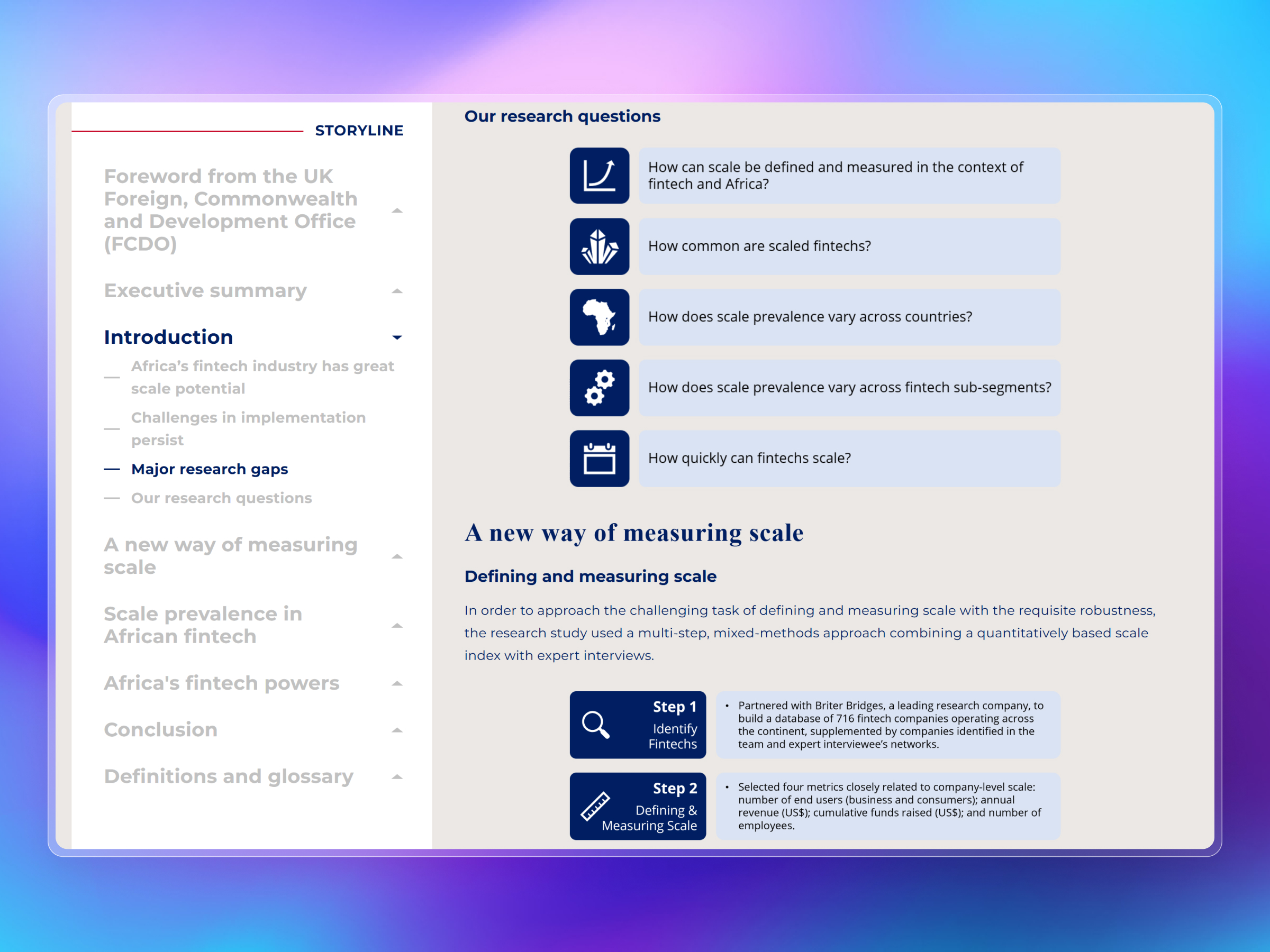
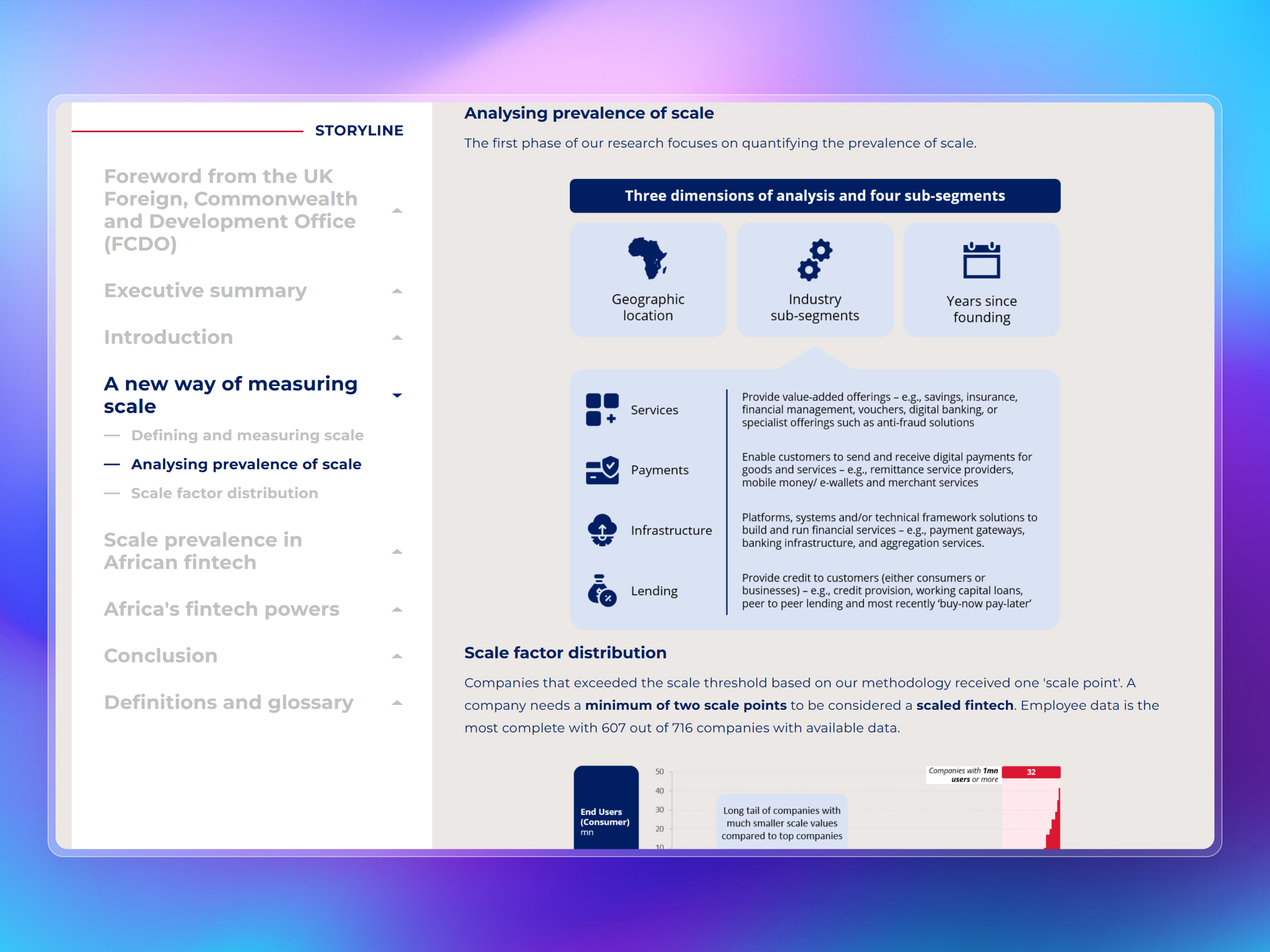
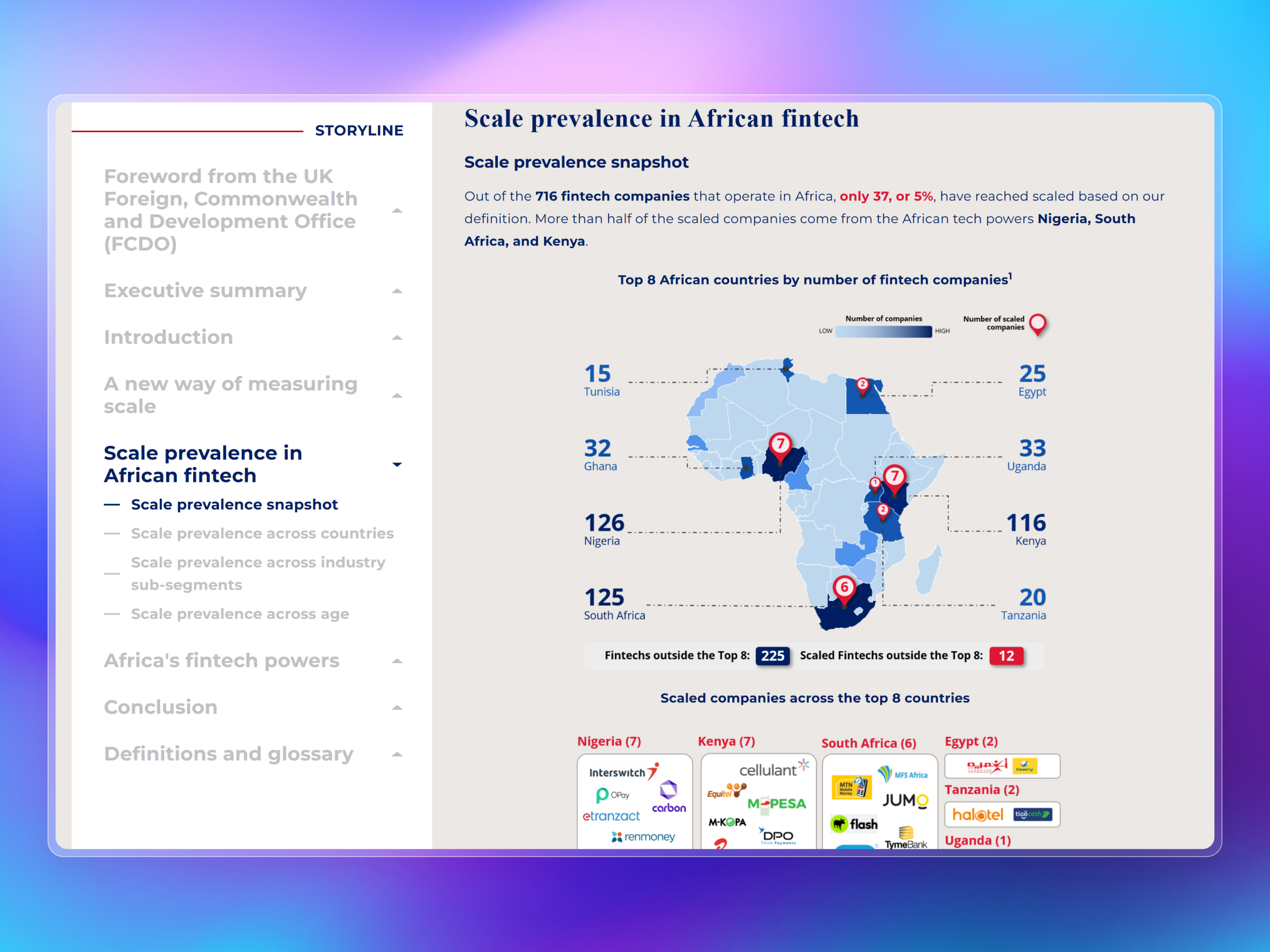
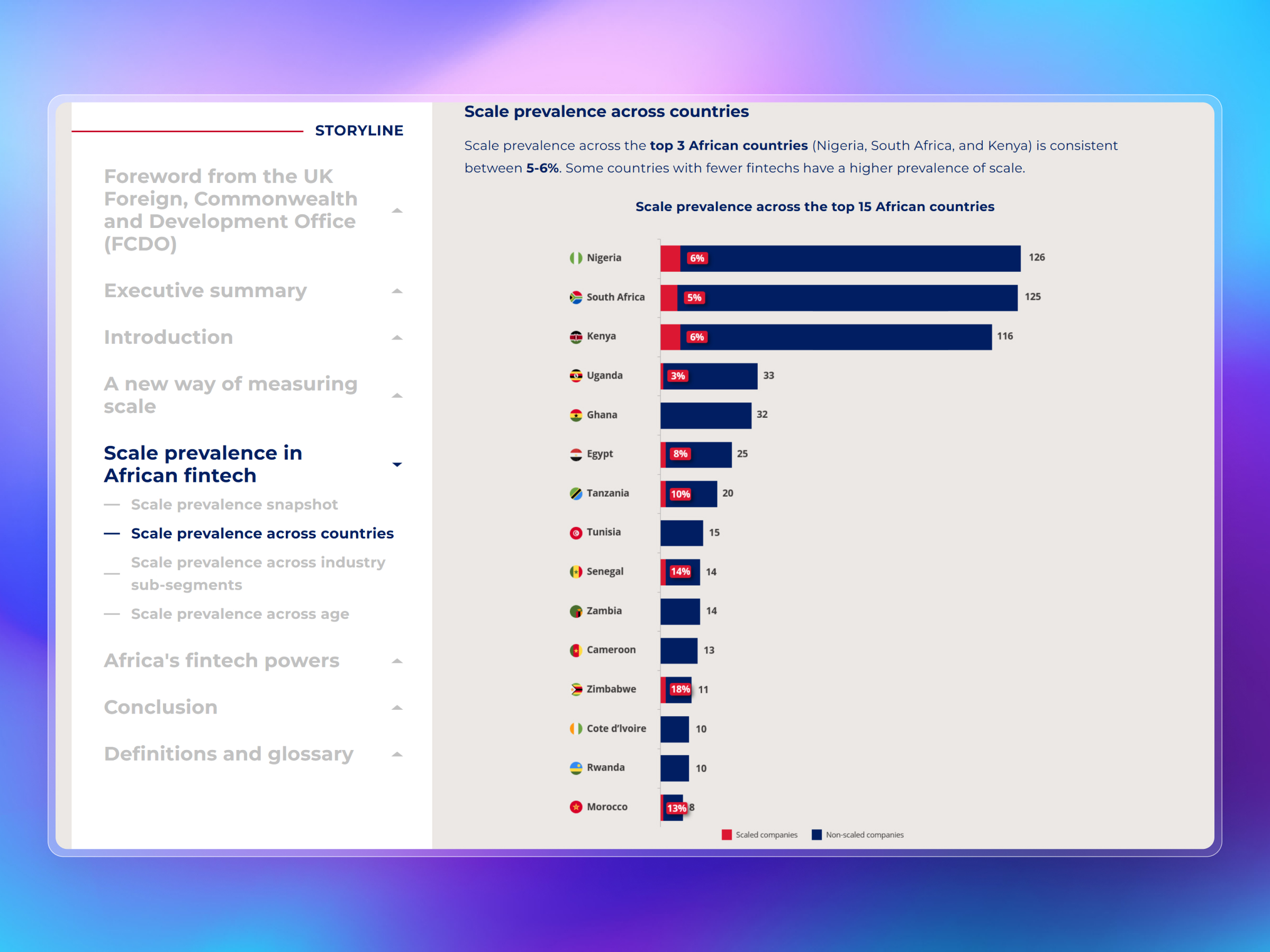
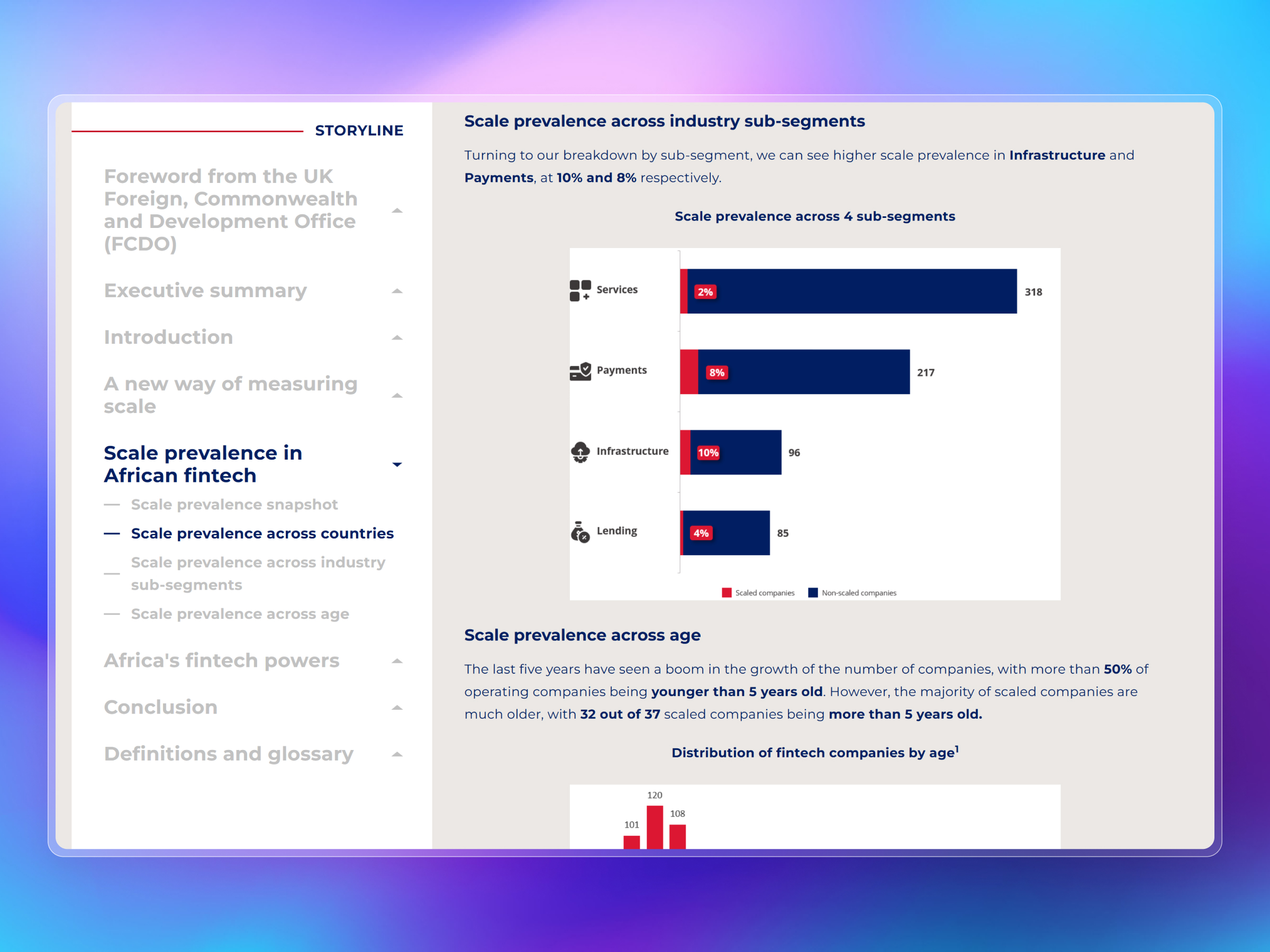
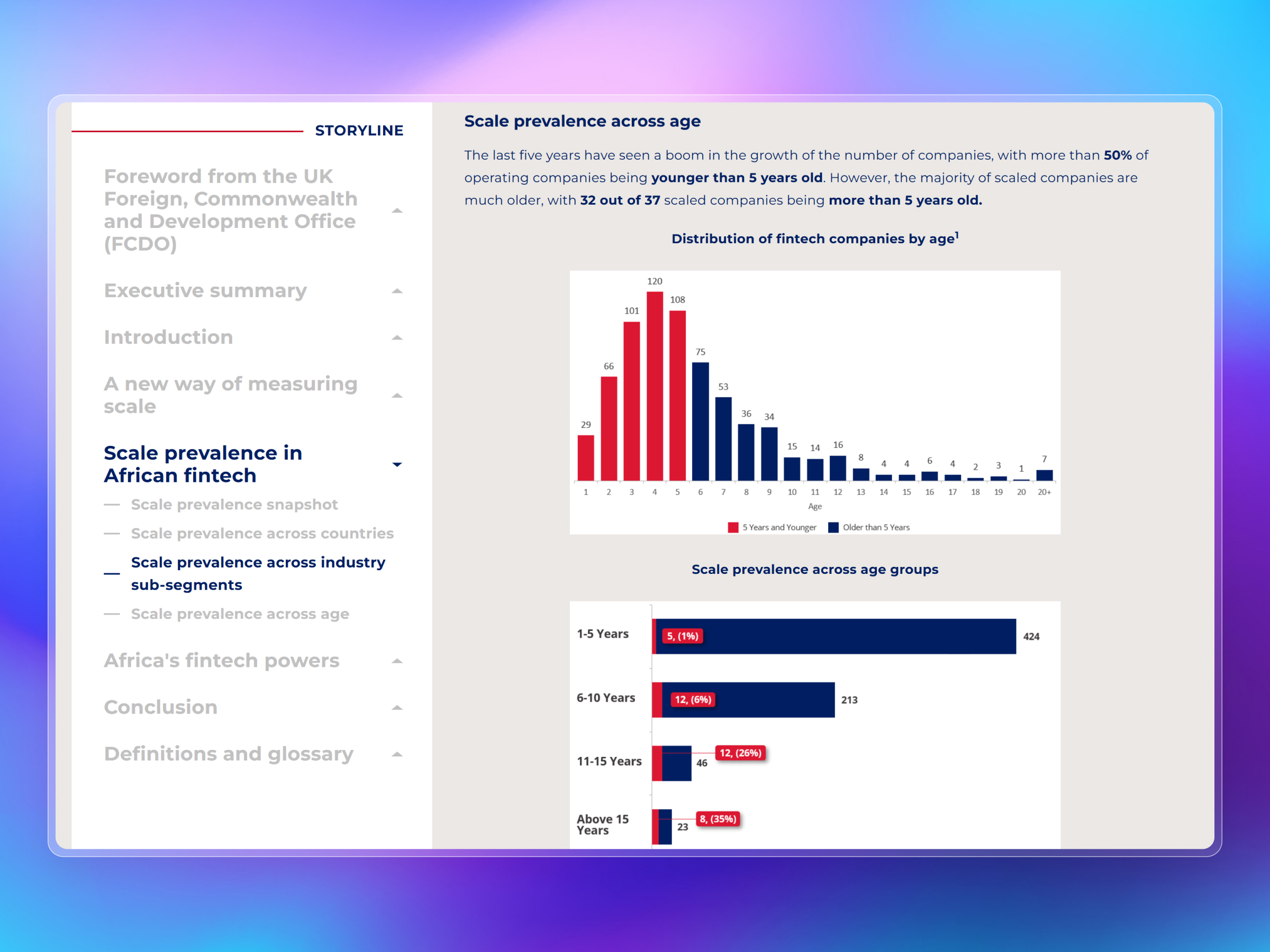
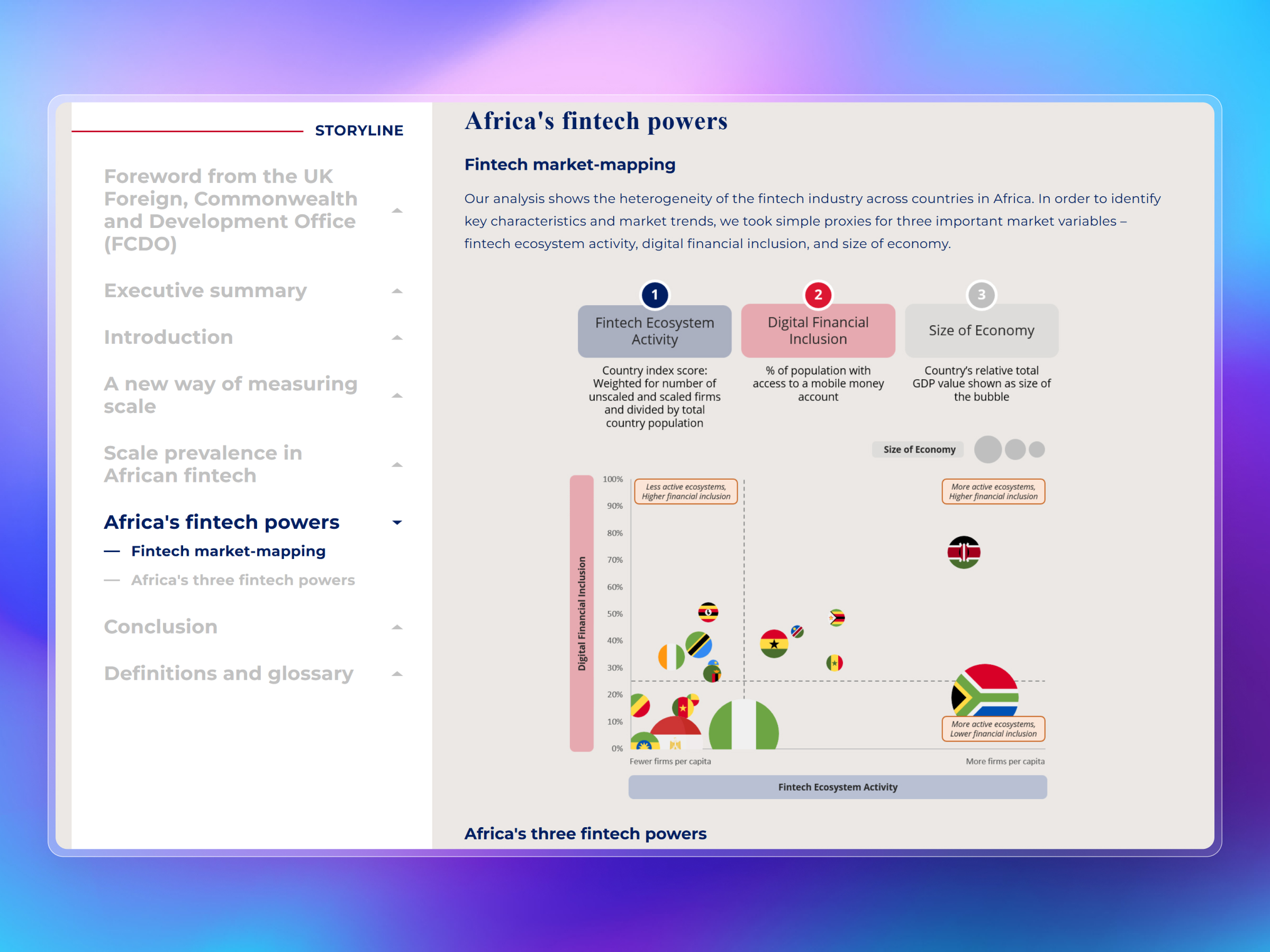
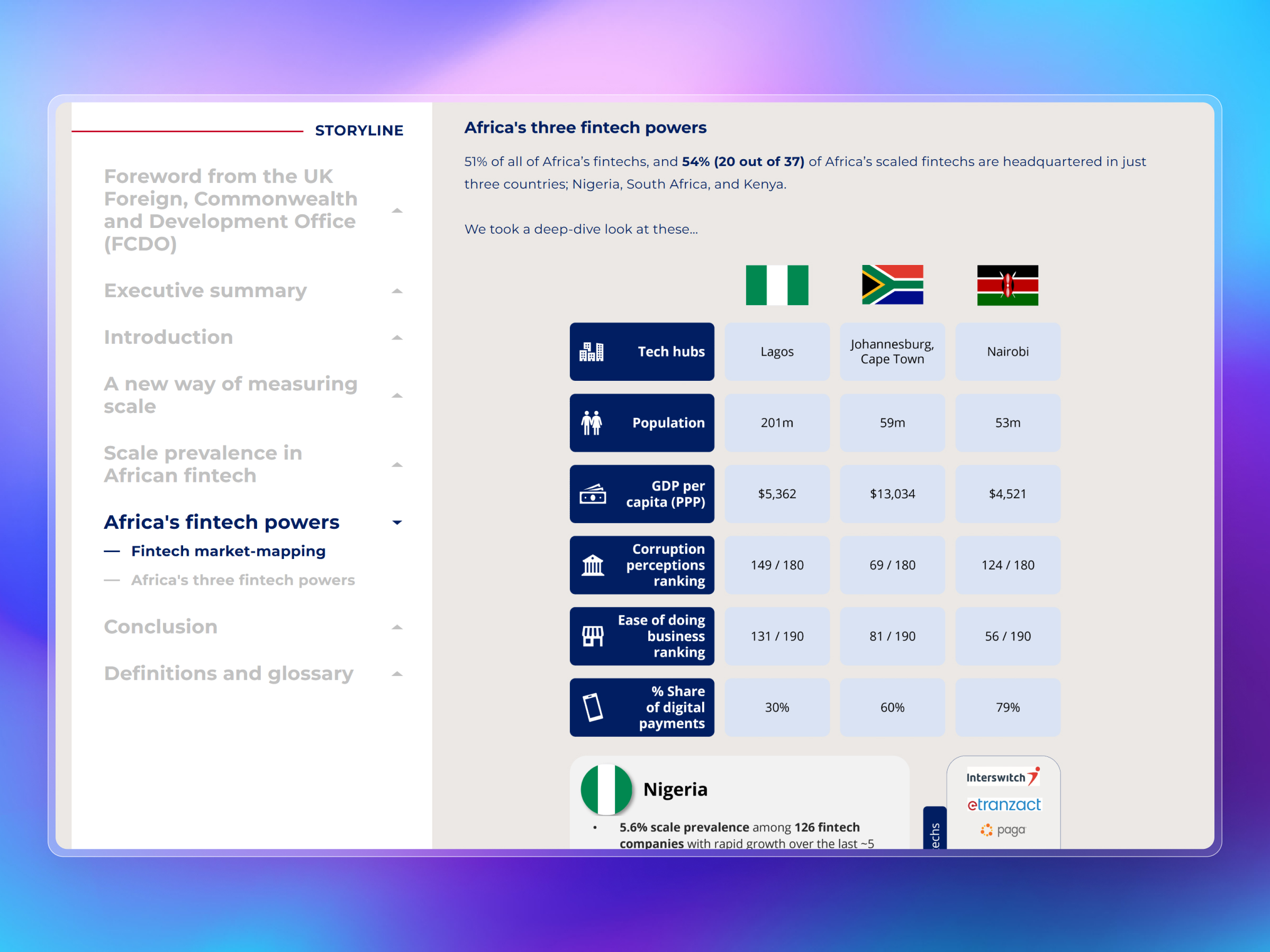
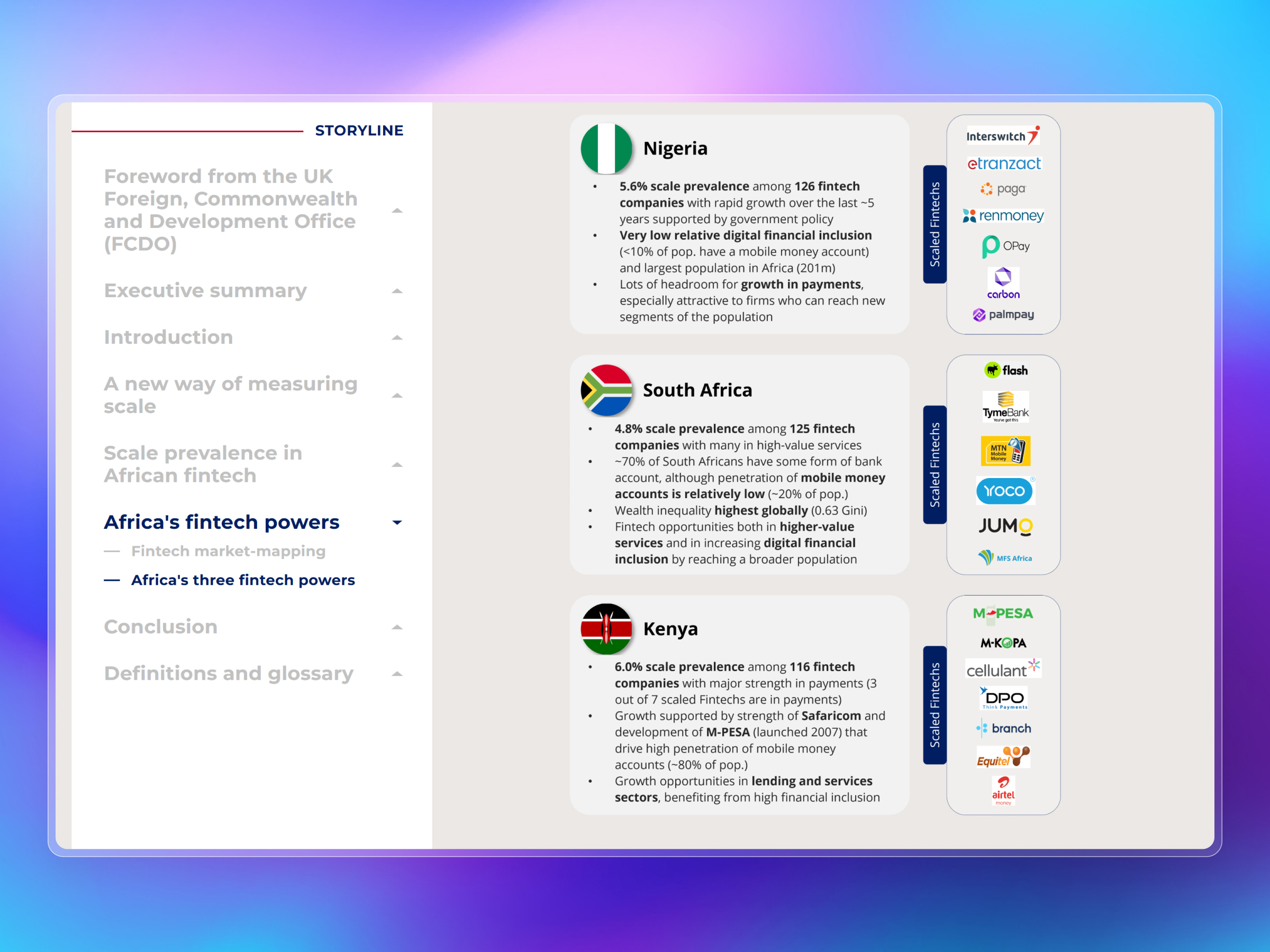
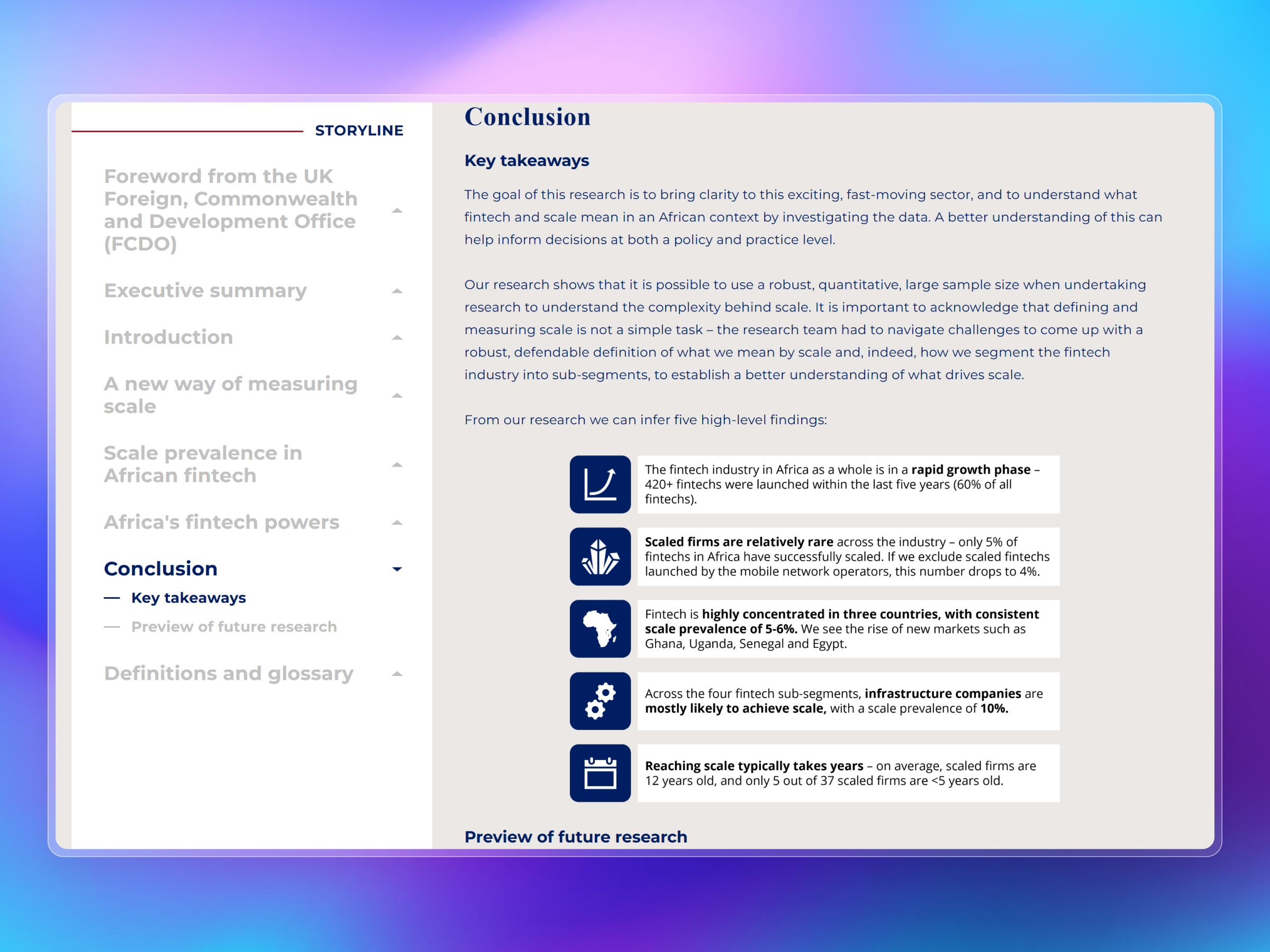
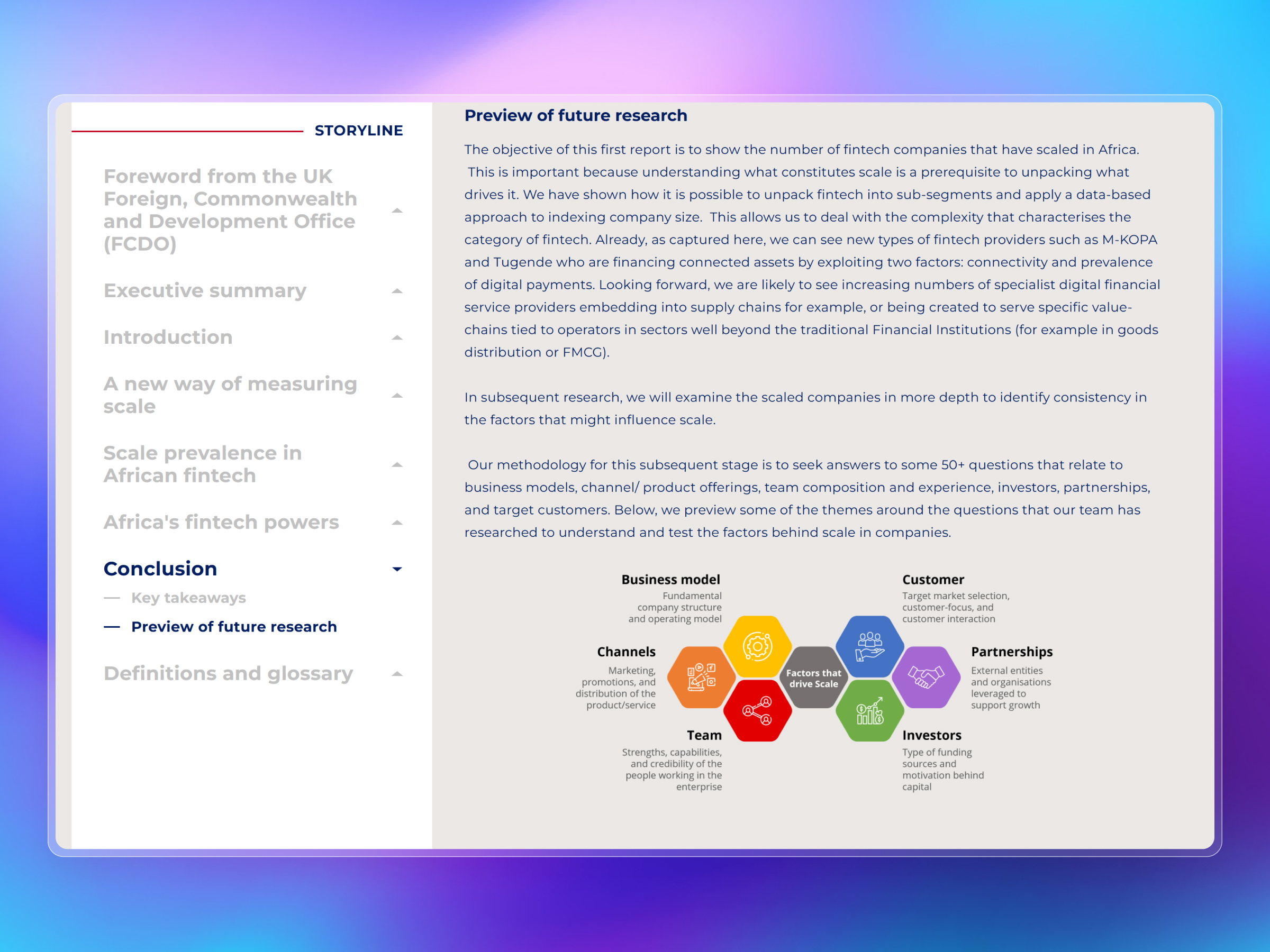
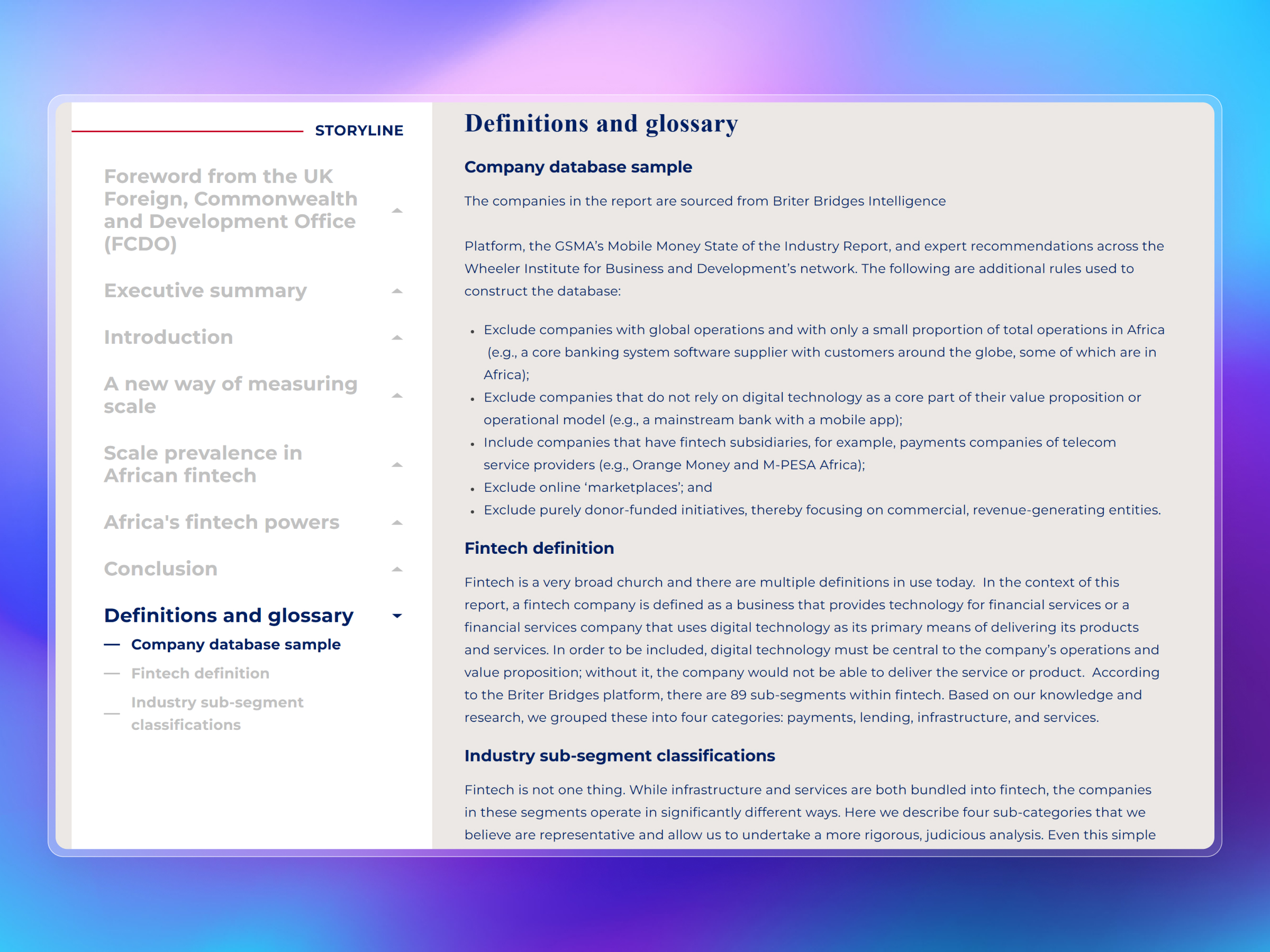
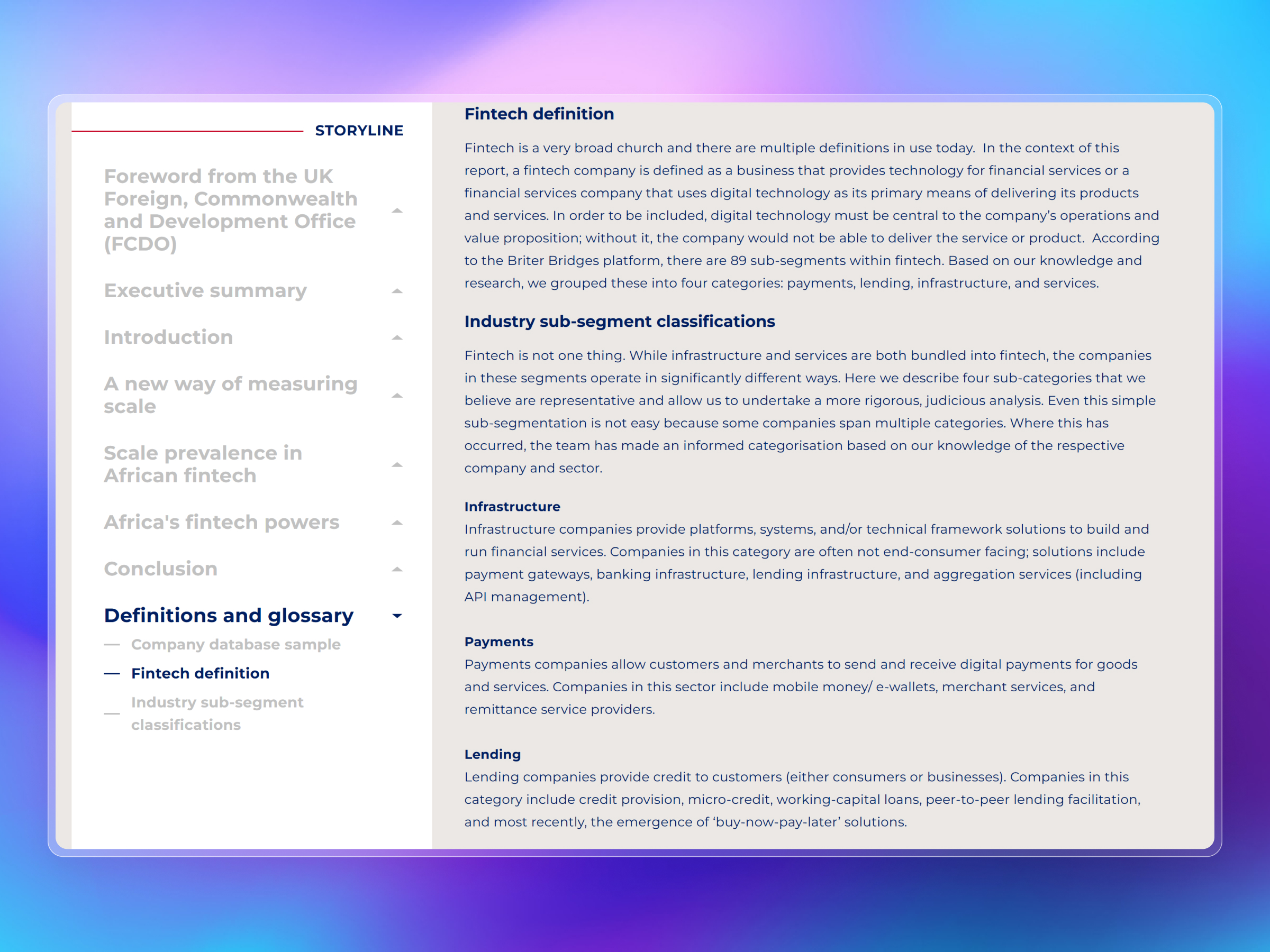
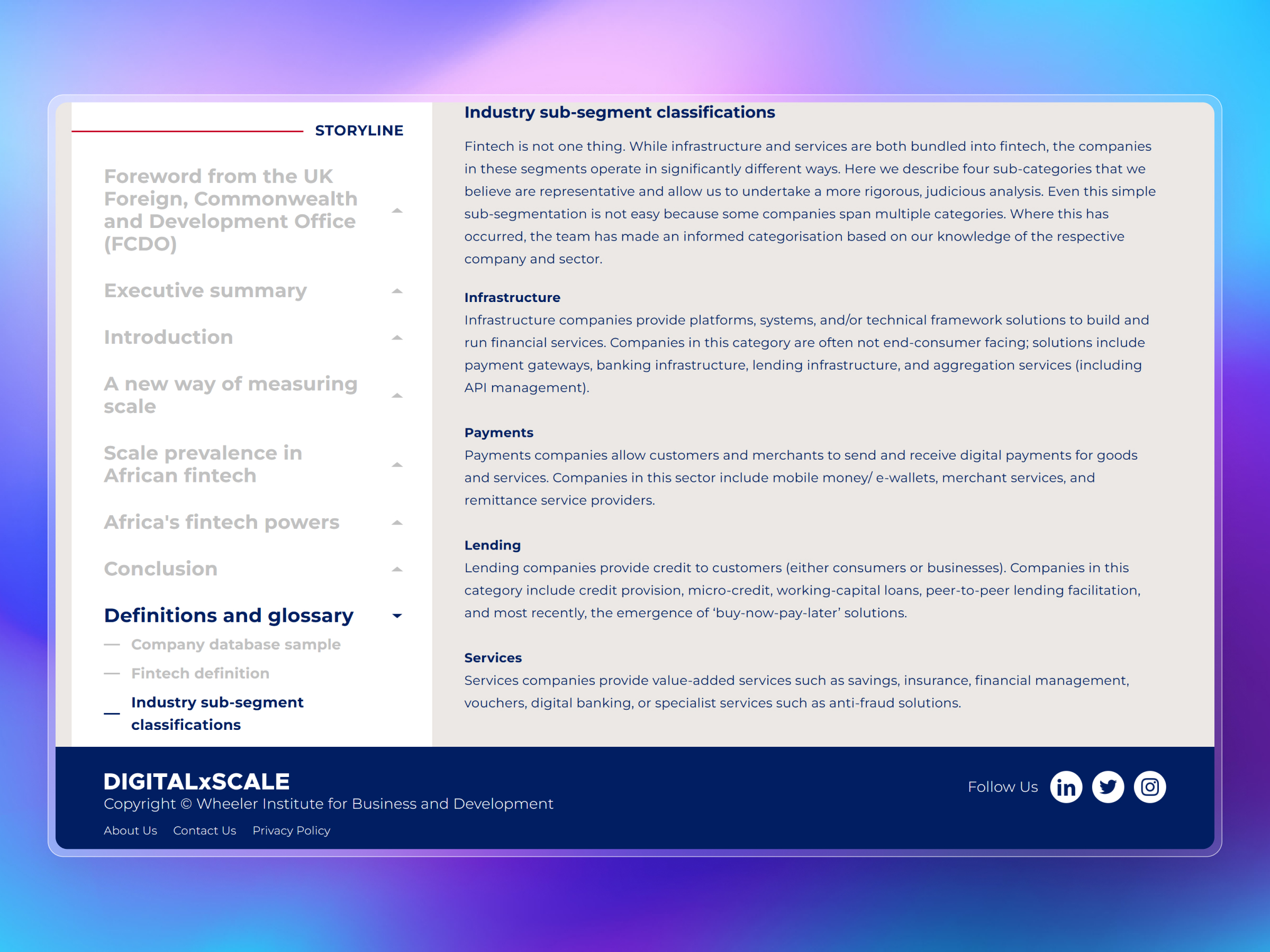
The Wheeler Institute for Business and Development is the research wing of London Business School focused on how business and technology can drive global development. Their DigitalXScale initiative tracks and analyses the fintech sector in Africa — a database covering hundreds of firms, the research behind it, and the data story that makes it legible to a global audience.
They needed a platform to publish that research: papers, reports, data visualisations, and media. What made this project technically demanding wasn't the content — it was the requirement that the research team be able to manage everything themselves, including generating infographics clearly from their own Excel data without involving a developer or designer.
We planned, designed, and built DigitalXScale in two phases: Phase 1 — the core research platform, custom CMS, and content architecture — delivered in 2 months for $6,000. Phase 2 — the Excel-to-infographic tool and extended data features — delivered in 3 months for $6,500. Total: 5 months, $12,500.

What the project needed to do
A university research programme has different digital requirements than a business. The product had to handle academic content — research papers, reports, datasets, and media — and make it accessible to researchers, policymakers, and global stakeholders without requiring a technical intermediary every time something needed publishing or updating.
Two requirements stood out. First, a CMS that the Wheeler Institute's research team could operate fully on their own: add papers, update data, publish reports, and manage the product without going back to a developer. Second, the ability to generate data visualisations clearly from their own spreadsheets. The research team works in Excel. The product had to accept their raw data and turn it into published charts and infographics — with no design or development resources required from their end.

How we approached it
We planned, designed, and built DigitalXScale on Next.js for the frontend, Node.js for the backend, and PostgreSQL as the database. Critically, we planned, designed, and built the CMS entirely from scratch — no off-the-shelf solution like WordPress or Strapi. The research team's workflow and content model required a system designed around how they actually work, not around a general-purpose CMS that they'd have to adapt.
Research Repository and Content Architecture
The product organises research by topic, geography, and publication type — papers, reports, datasets, and media resources all live in a structured repository with filtering and search. For a research initiative covering a fast-moving sector like African fintech, the ability to surface relevant content quickly is as important as the content itself. We structured the data model in PostgreSQL to support the complex taxonomy the Wheeler Institute's research required.

Custom CMS Built from Scratch
We planned, designed, and built a complete content management system tailored to the Wheeler Institute's workflow. The research team can log in and manage the entire platform independently: add new papers and reports, update existing content, publish media, and manage the research taxonomy. No developer involvement required for day-to-day content operations. For an academic institution that publishes continuously, this independence is essential — waiting for a developer to post a new research paper isn't a workable model.
Building from scratch rather than using an existing CMS gave us the ability to model the content exactly as the Wheeler Institute's research is structured, rather than shoehorning academic research workflows into a system designed for blog posts or product catalogues.

Excel-to-Infographic Tool
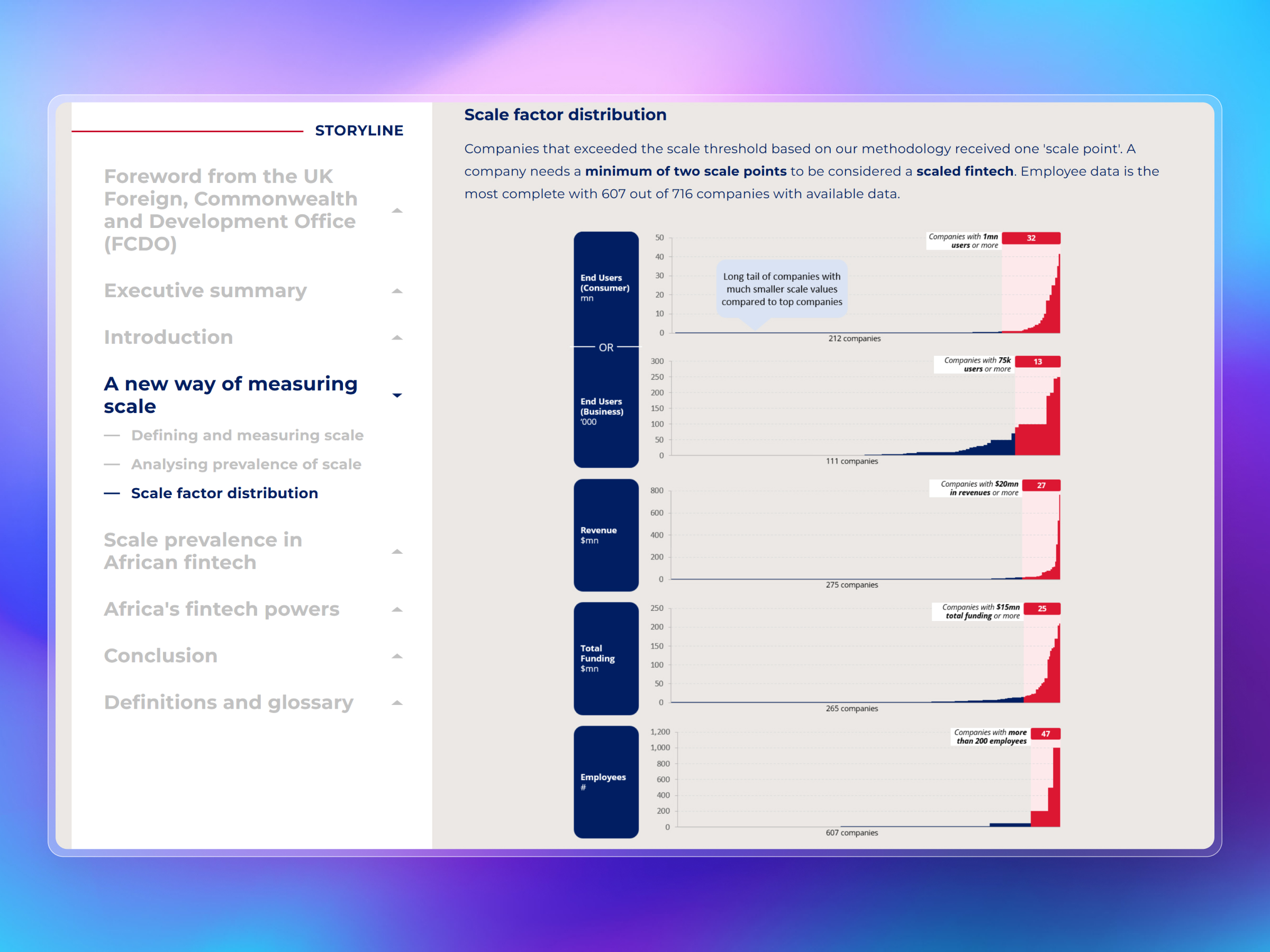
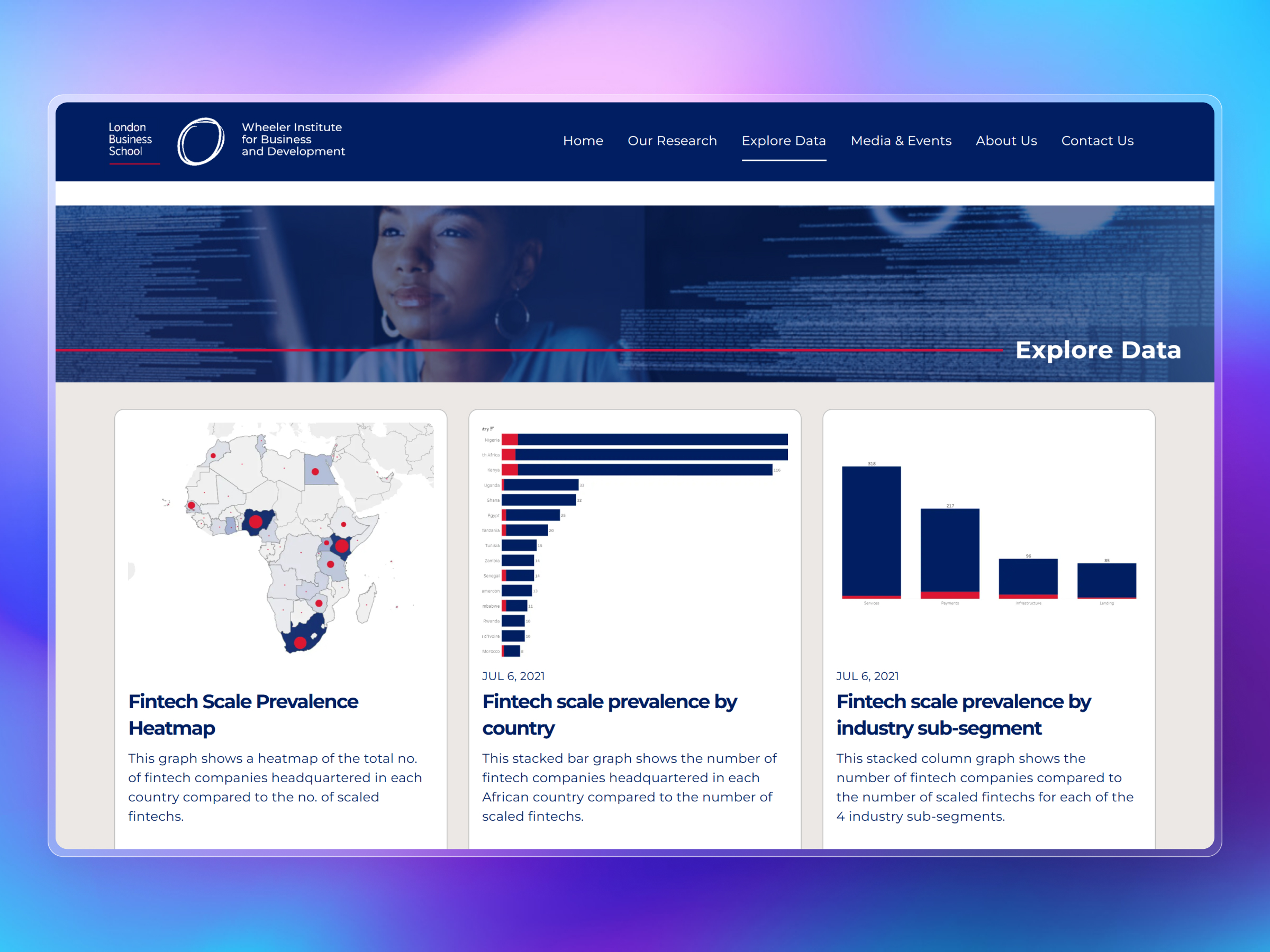
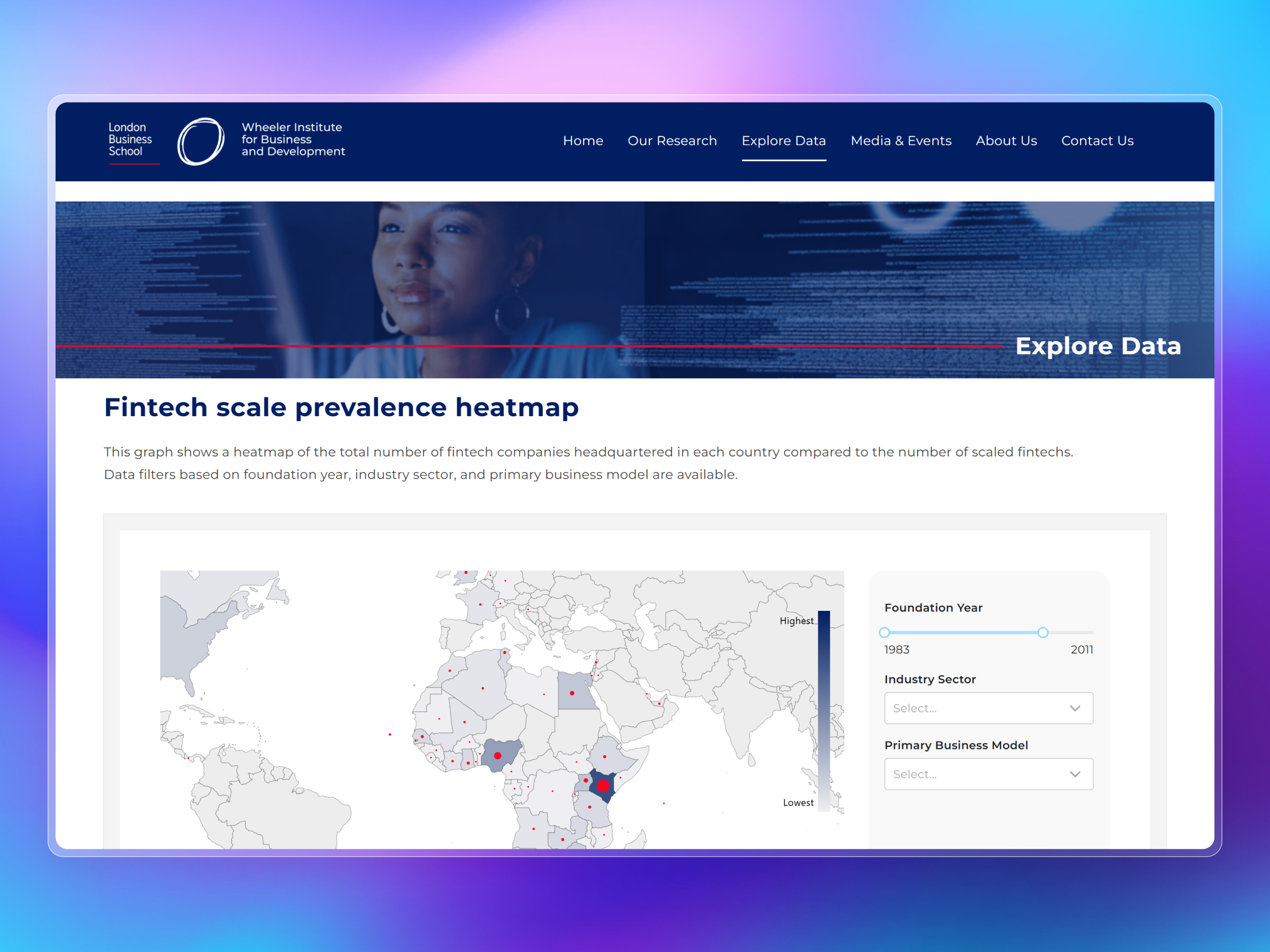
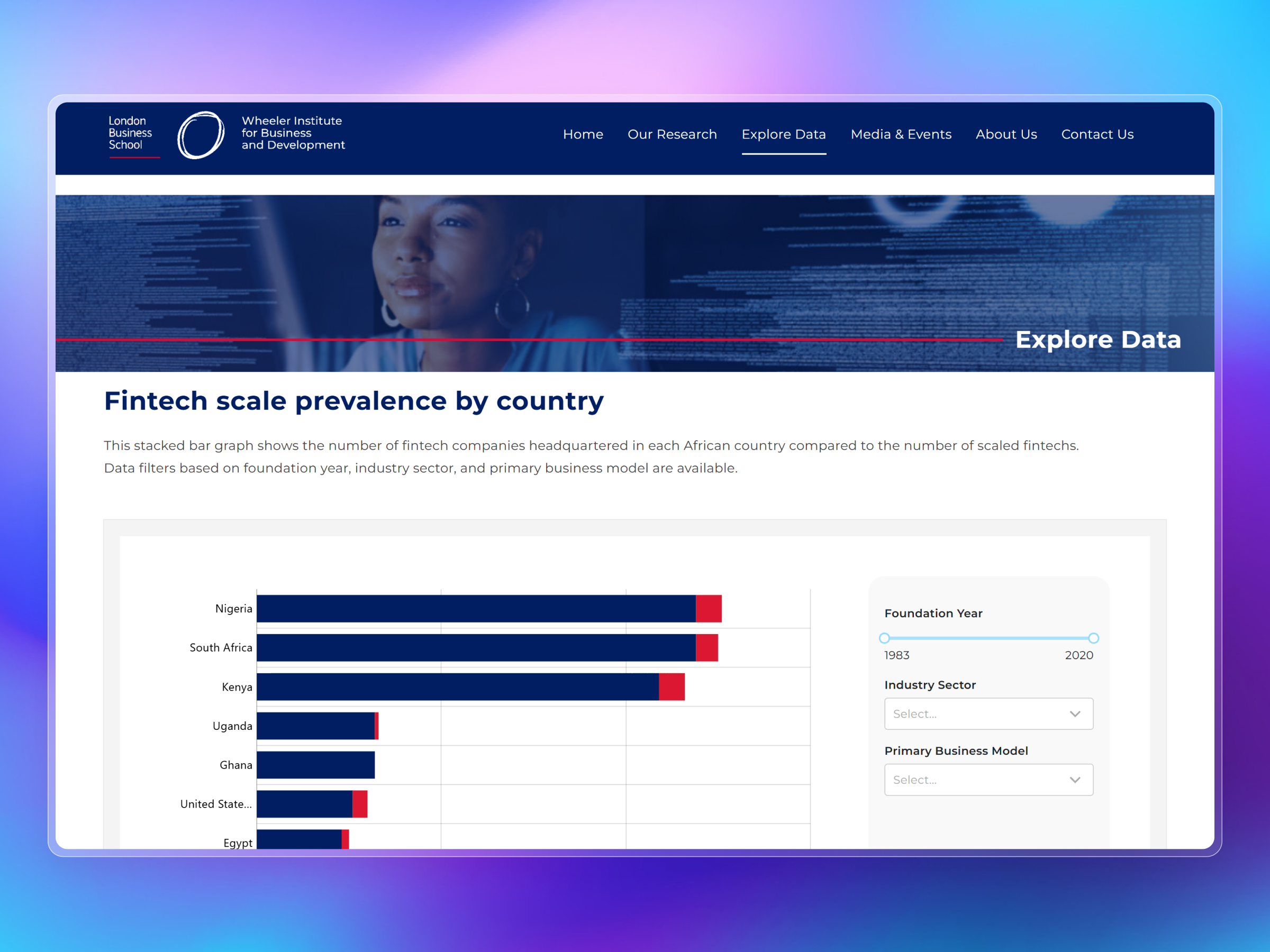
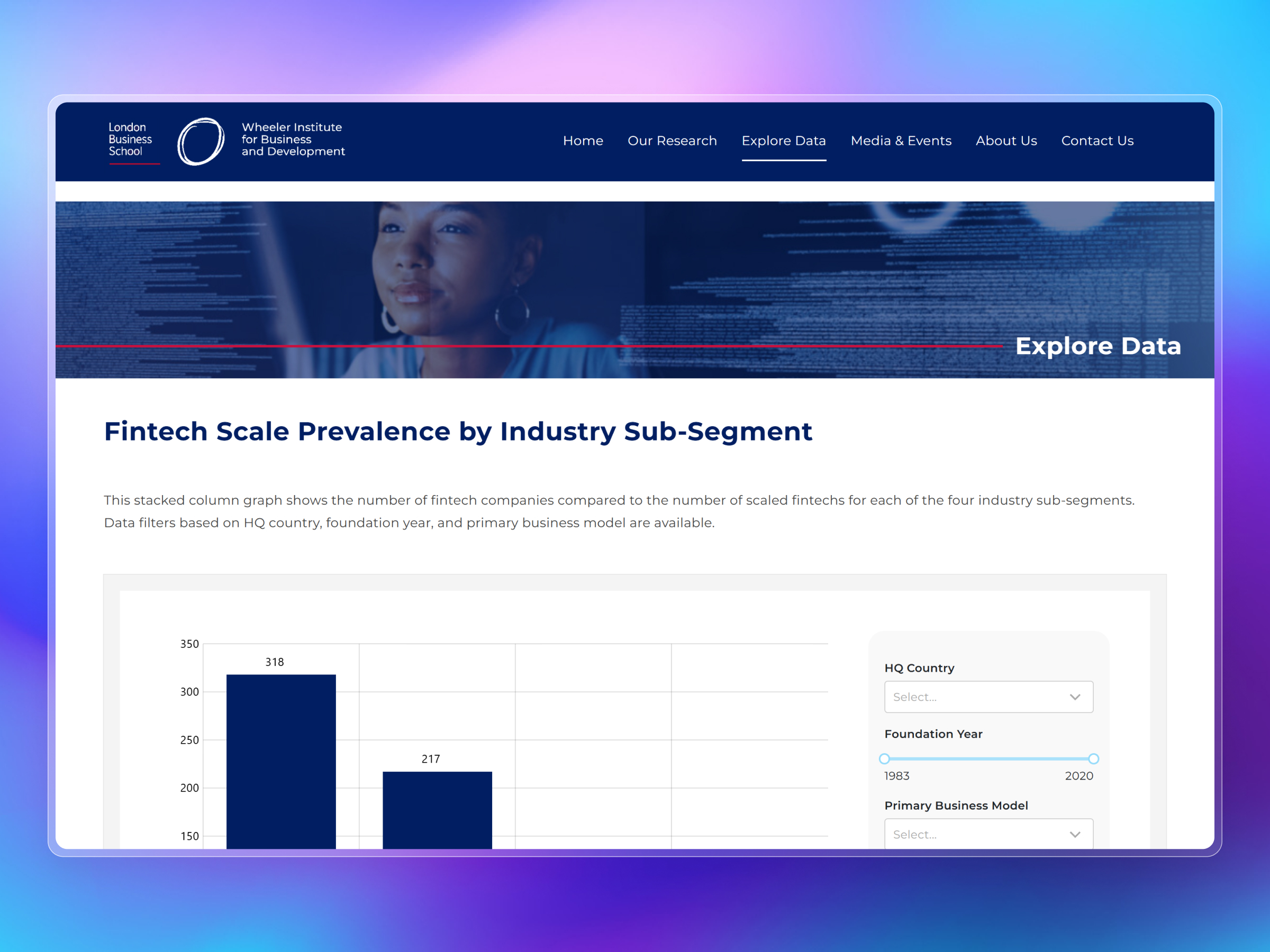
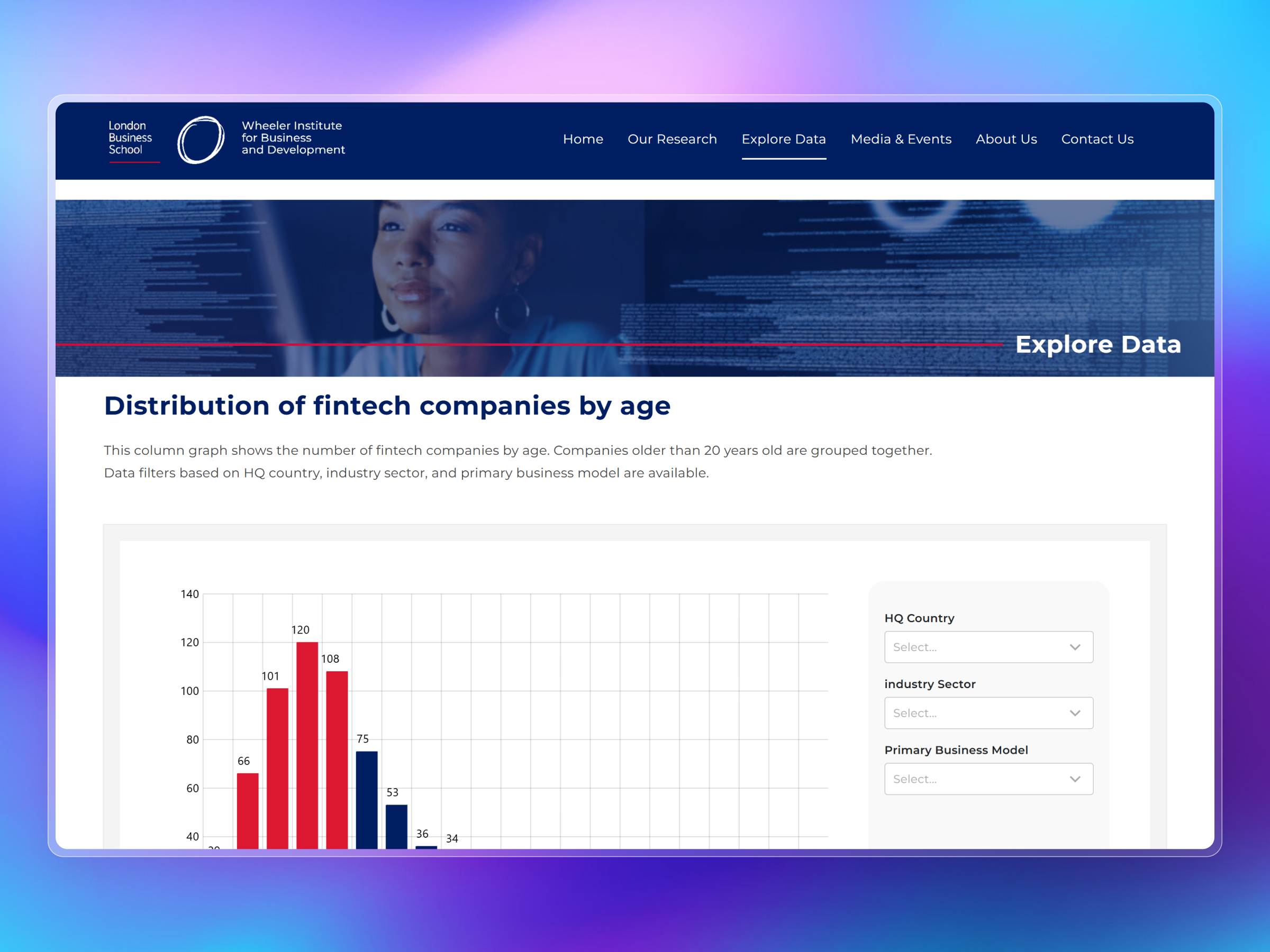
This is the feature that made the project technically distinct. The Wheeler Institute's research team works in Excel — their data lives in spreadsheets. The product includes a tool that lets a researcher upload an Excel file, select the type of chart or visualisation they want (bar, line, pie, map, and so on), and generate a publishable infographic clearly on the product. No design software, no developer involvement, no exporting to a third-party tool and importing back.
What shipped is that the research team can go from raw data to a published data visualisation entirely within the product. For a team whose job is producing and communicating research — not managing software — this removes a significant friction point from the publication workflow.

Media, Events, and Research Updates
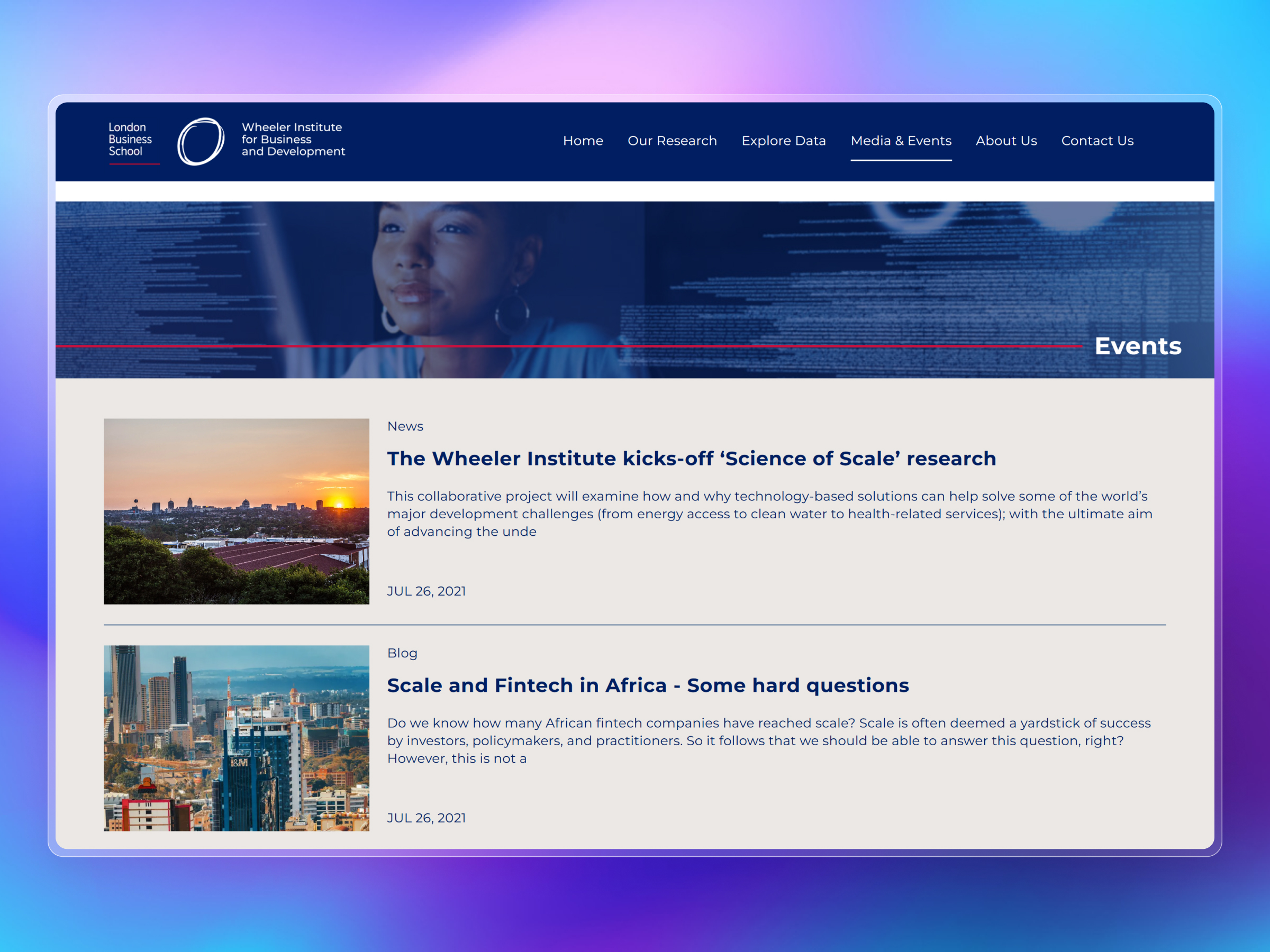
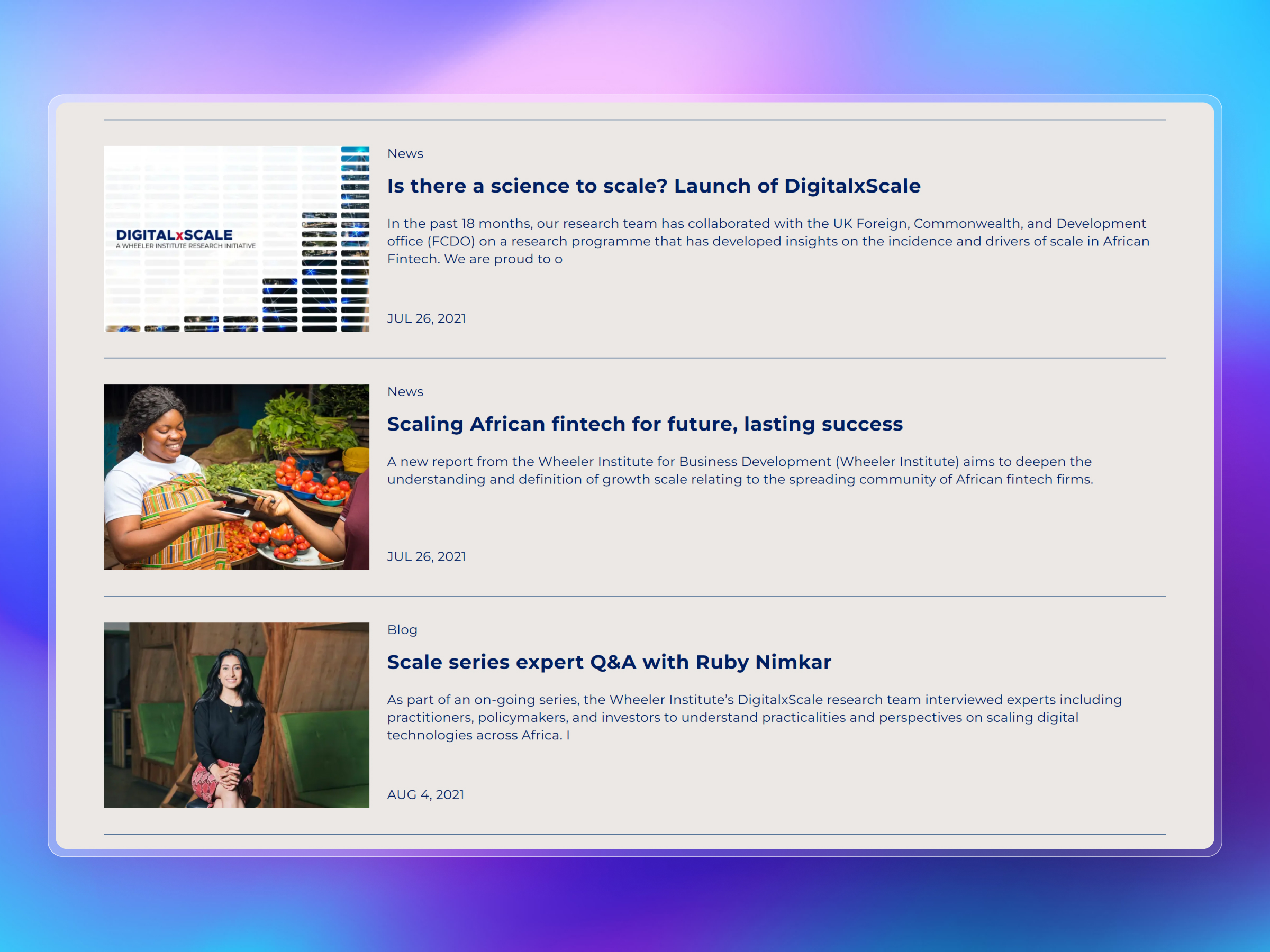
Beyond the research repository, the product manages media resources — videos, podcasts, event recordings — and keeps the research community informed about ongoing and upcoming Wheeler Institute initiatives. All of it managed through the same custom CMS, giving the team one system for the entire platform rather than multiple disconnected tools.

What shipped
The Wheeler Institute has a research platform they operate entirely on their own — publishing papers, updating data, and generating infographics from their Excel files without developer or designer involvement at any step. The custom CMS, the data architecture, and the Excel-to-visualisation tool collectively give a research team the ability to move at research pace, not at development pace. Delivered across two phases totalling 5 months and $12,500.




Frequently Asked Questions
Questions about research platforms,
answered clearly.
Questions about the work, scope, delivery context, and next steps.
A research platform needs to do more than display papers — it needs to organise them in a way that researchers and policymakers can navigate efficiently. That means: a structured content repository with filtering by topic, geography, and publication type; a CMS the research team can operate without developer involvement; media management for videos and podcasts; and — if the research is data-heavy — tools to present that data visually. For DigitalXScale, the Wheeler Institute also needed the ability to generate infographics clearly from their Excel data without design or development resources.
Related Work
Similar case studies,
selected for context.
Continue exploring related work, with comparable product and delivery challenges.